
Morning Routines That Support Smoke-Free Living
For many smokers, the morning is the hardest part of the day. The first cigarette is often so deeply tied to the wake-up routine, coffee, quiet, the first moments of the day, that it feels almost impossible to separate the two. Building a smoke-free morning routine is not about removing the ritual. It is about replacing it with something that gives the behavioral habit somewhere clean to go from the moment the day starts.
Why Mornings Are So Difficult for Smokers
For many smokers, mornings become deeply connected to inhalation routines, repeated gestures, oral fixation, familiar inhalation habits, and stress-management behavior through years of daily repetition. The brain wakes up already expecting the familiar behavioral pattern, it fires the craving before the conscious mind has a chance to intervene. That is why many adults continue searching for behavioral support specifically for the morning trigger, and why a smoke-free replacement needs to be ready before the first craving fires, not improvised after.
“The morning cigarette is not just about nicotine, it is the anchor of the entire daily smoking routine. Replace it well, and the rest of the day’s triggers become significantly easier to manage.”
Building a Smoke-Free Morning Routine
Replacing the morning smoking habit starts with identifying exactly what the cigarette was doing, what need it was serving at that specific moment. For most smokers it is a combination of ritual, sensory stimulation, and a familiar pause before the day fully begins. The good news is that all of those needs can be met without smoke.
Start with water first
Drinking a glass of water immediately on waking interrupts the automatic morning reach before the craving has time to fully form.
Use a behavioral replacement immediately
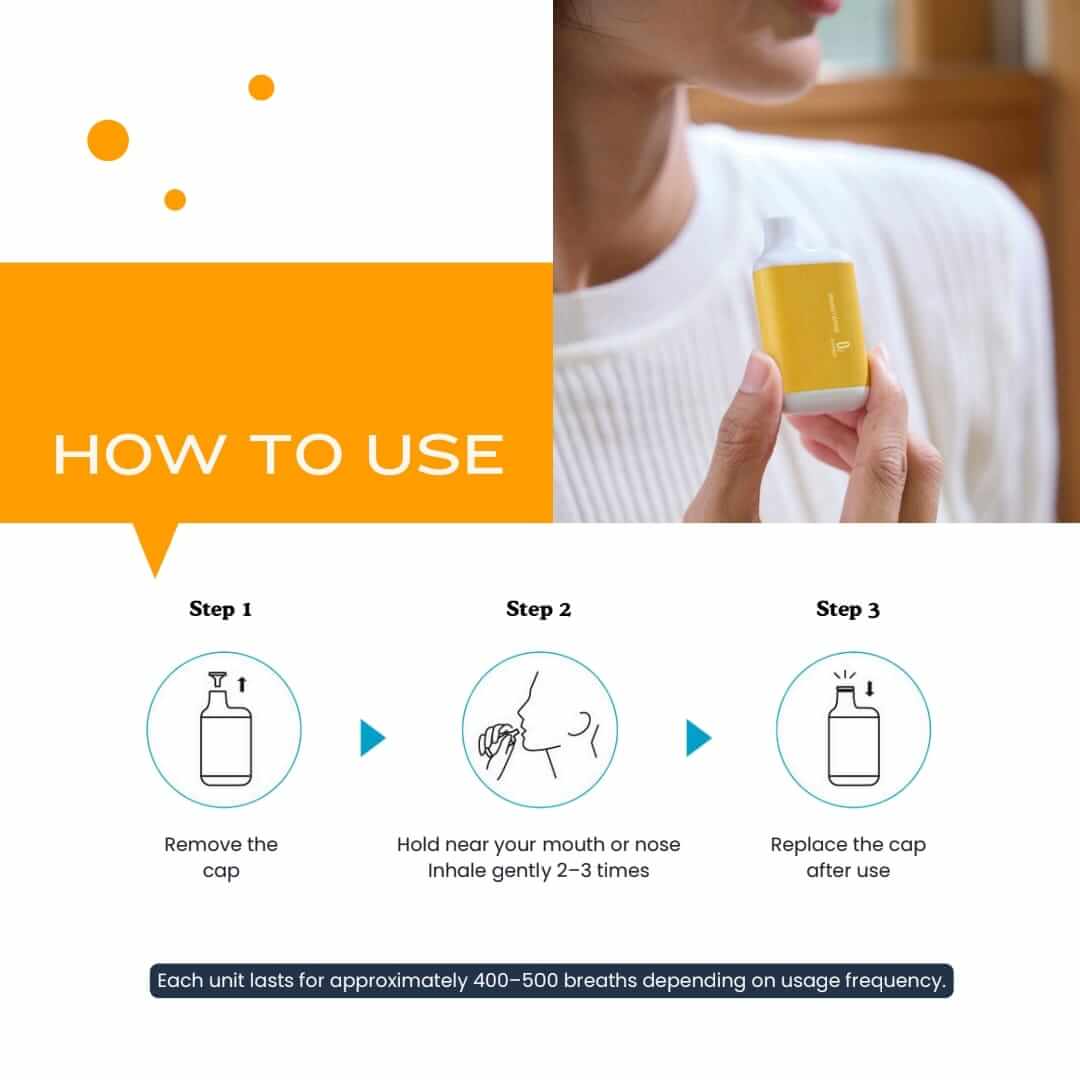
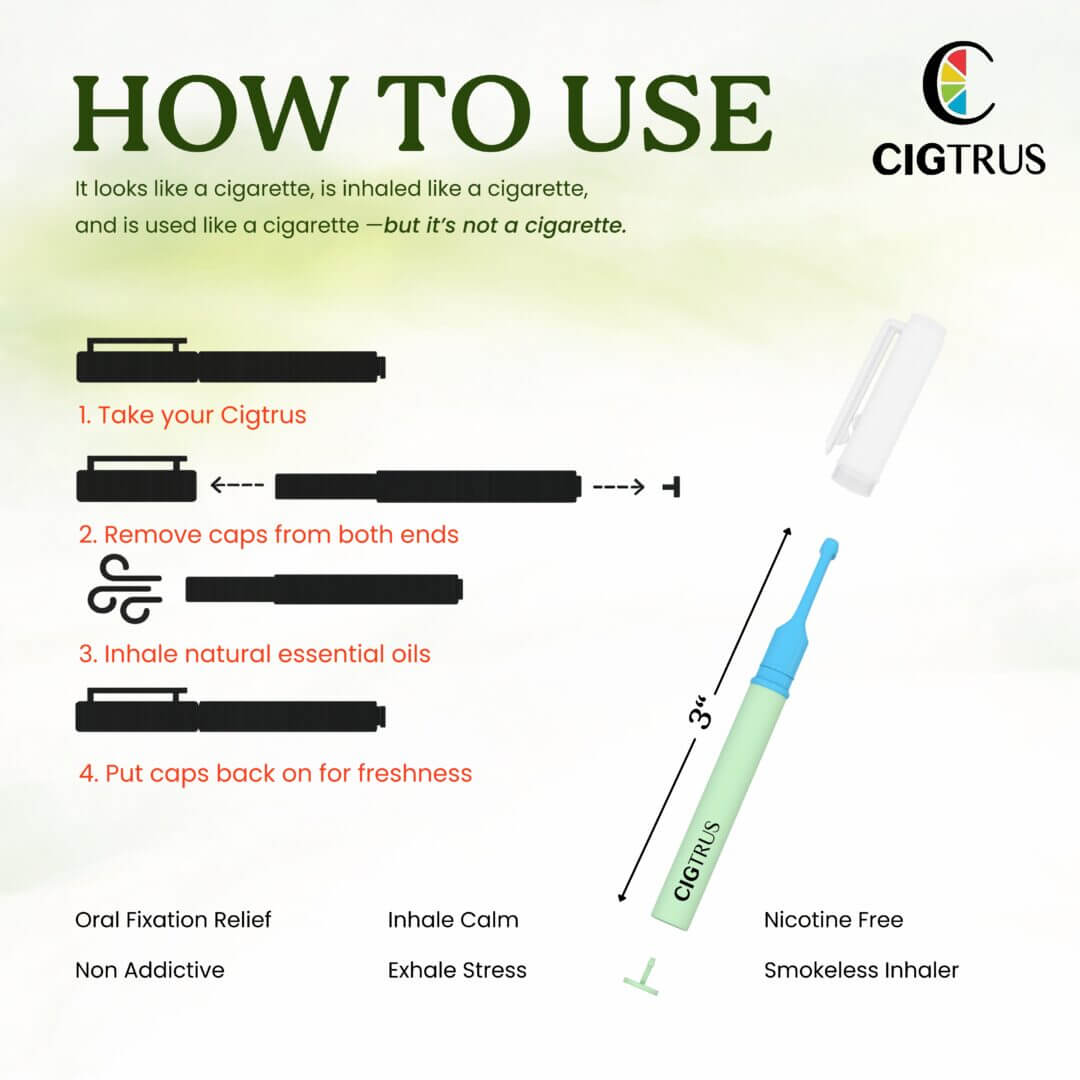
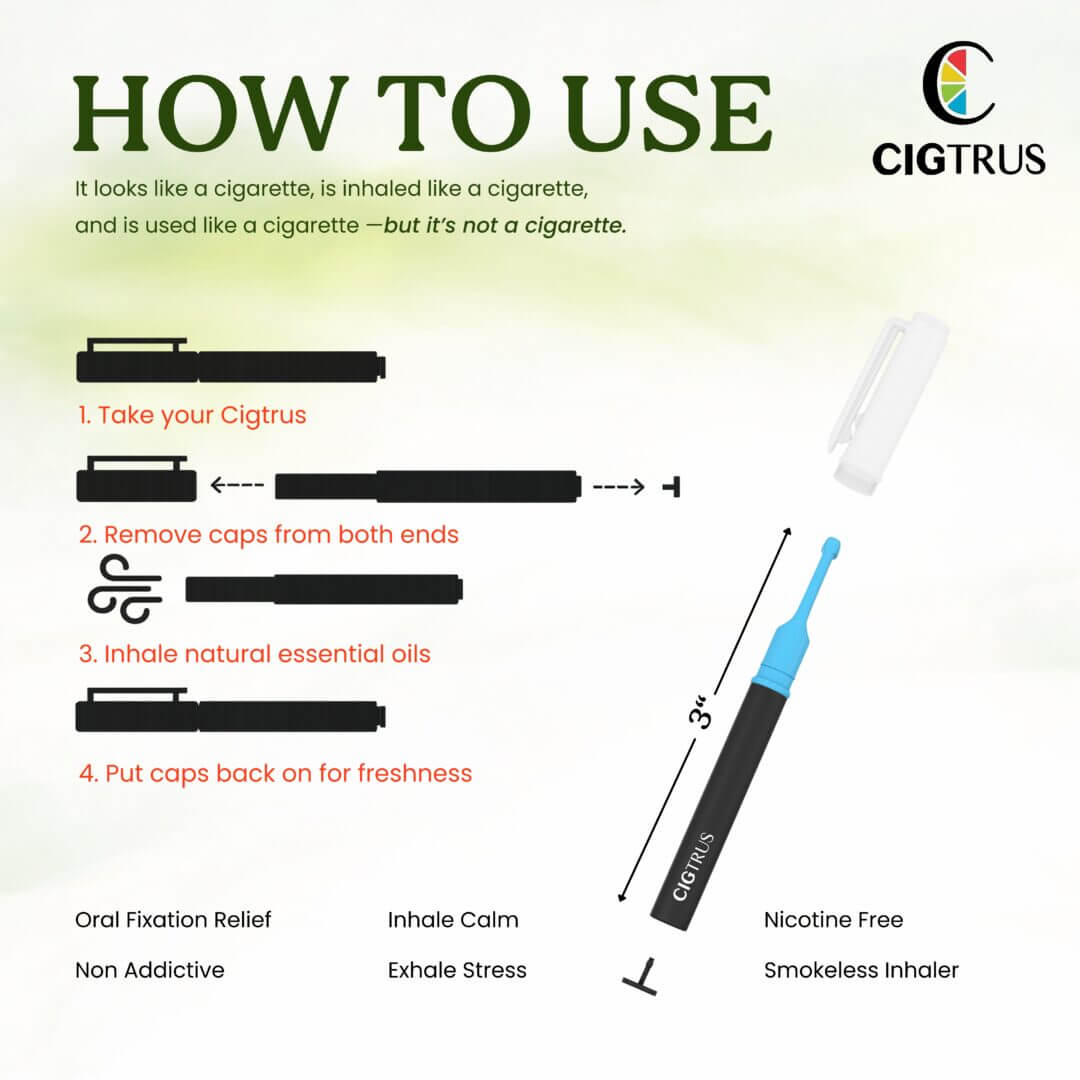
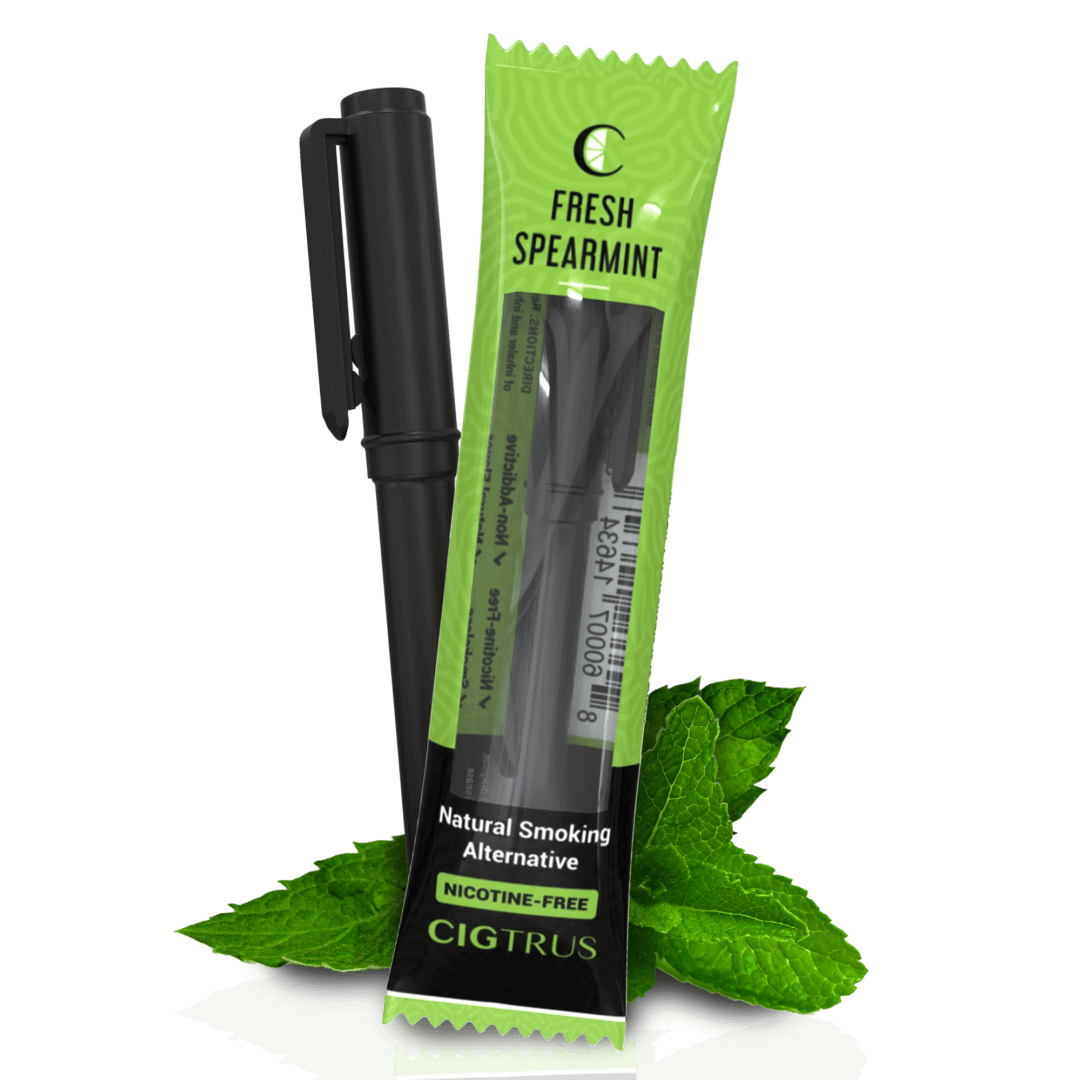
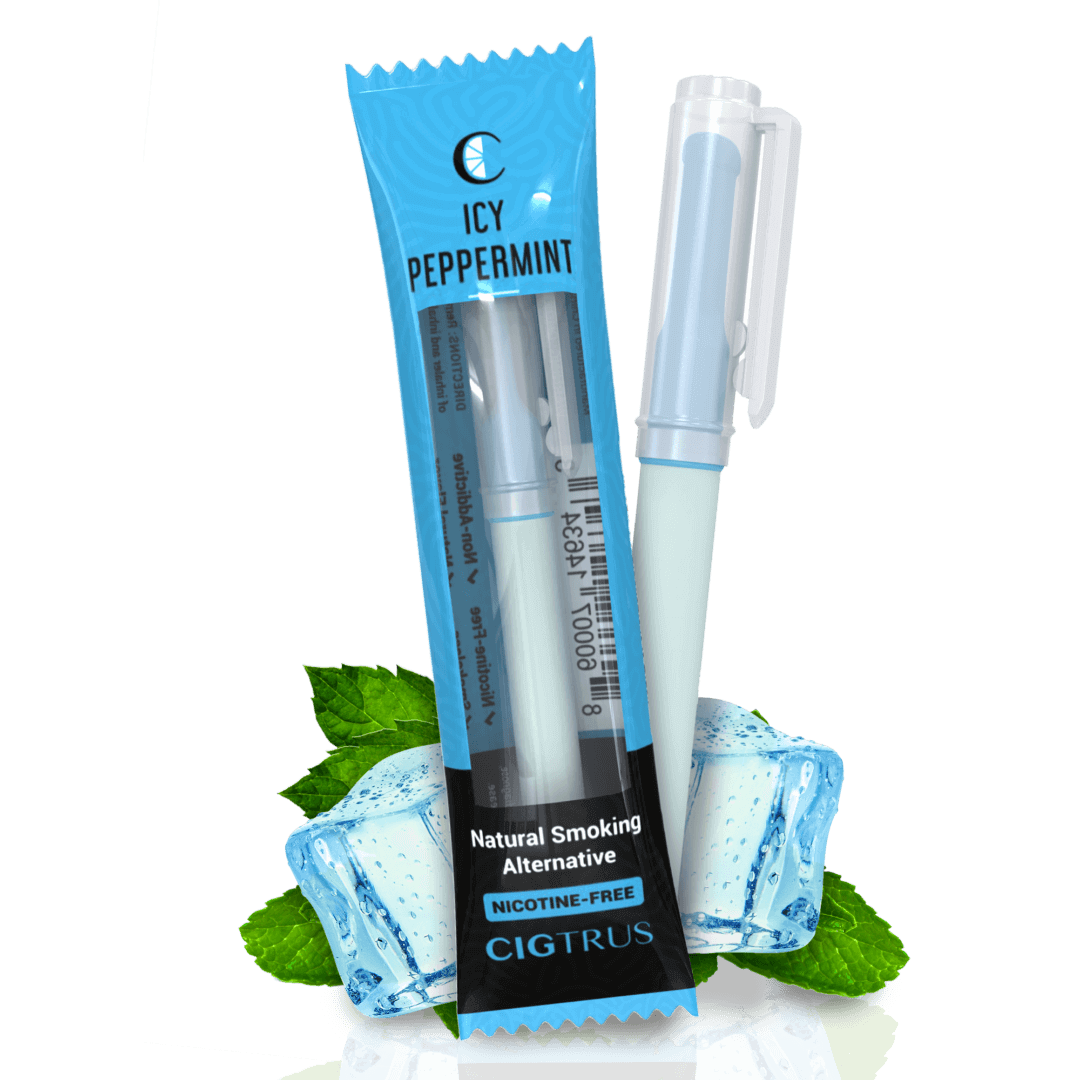
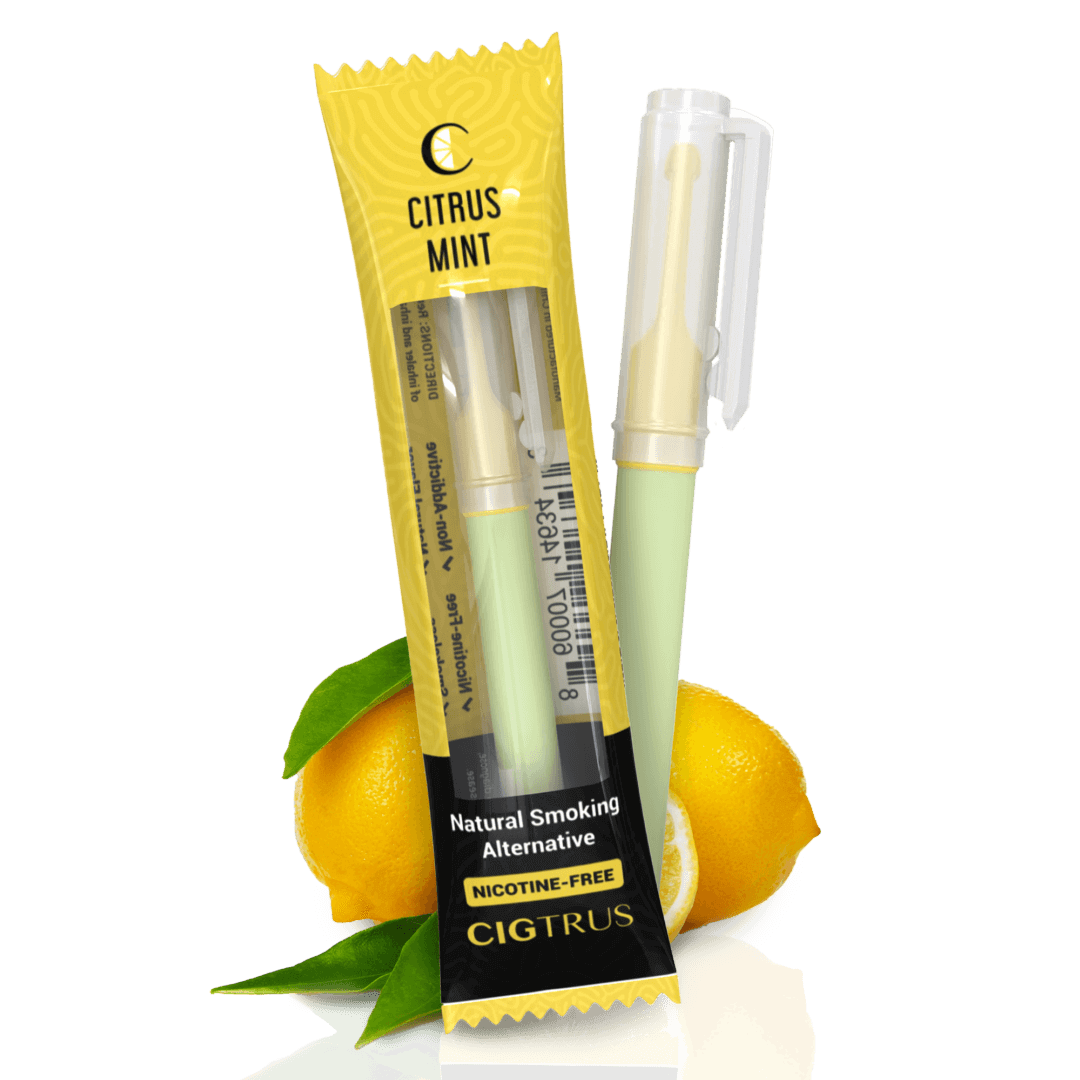
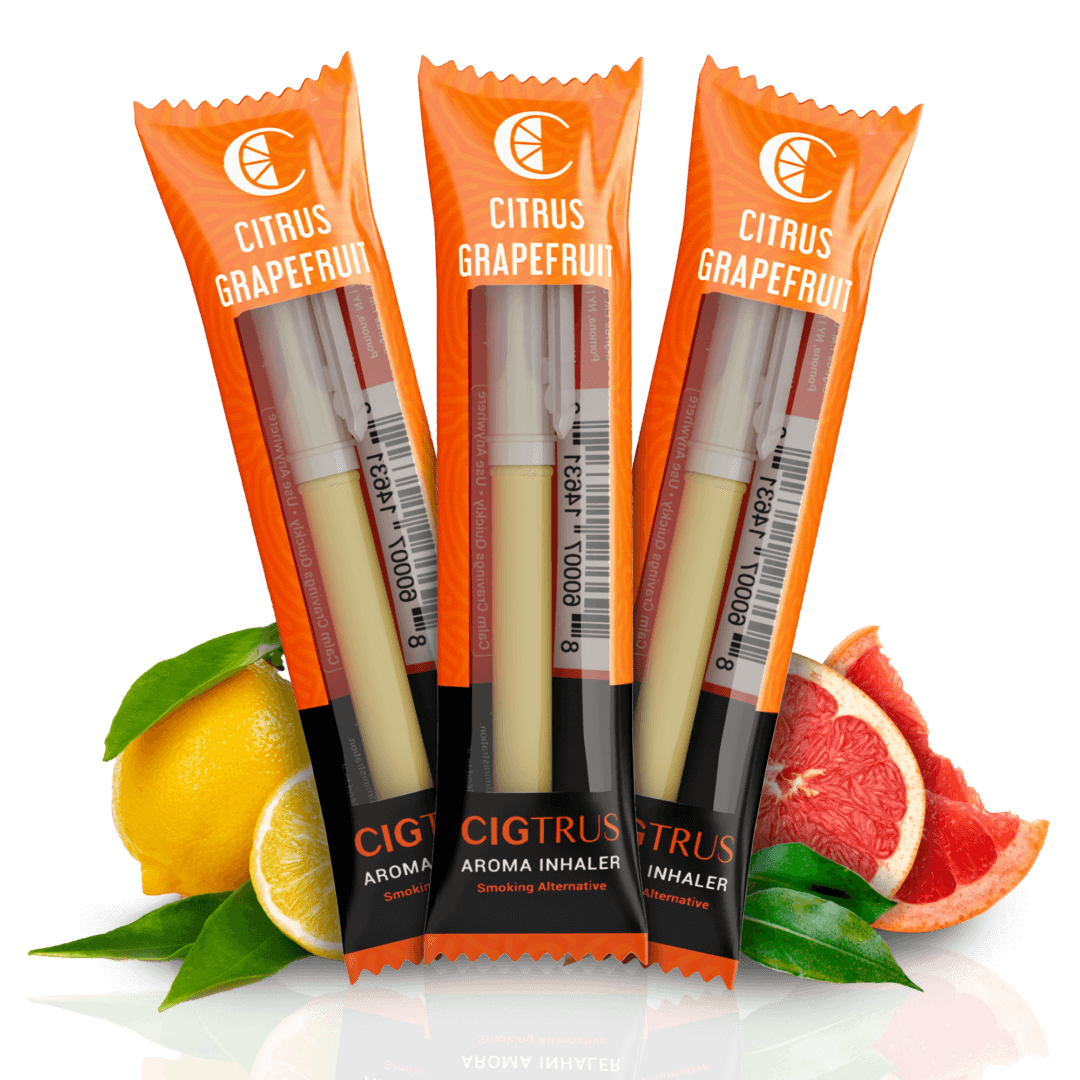
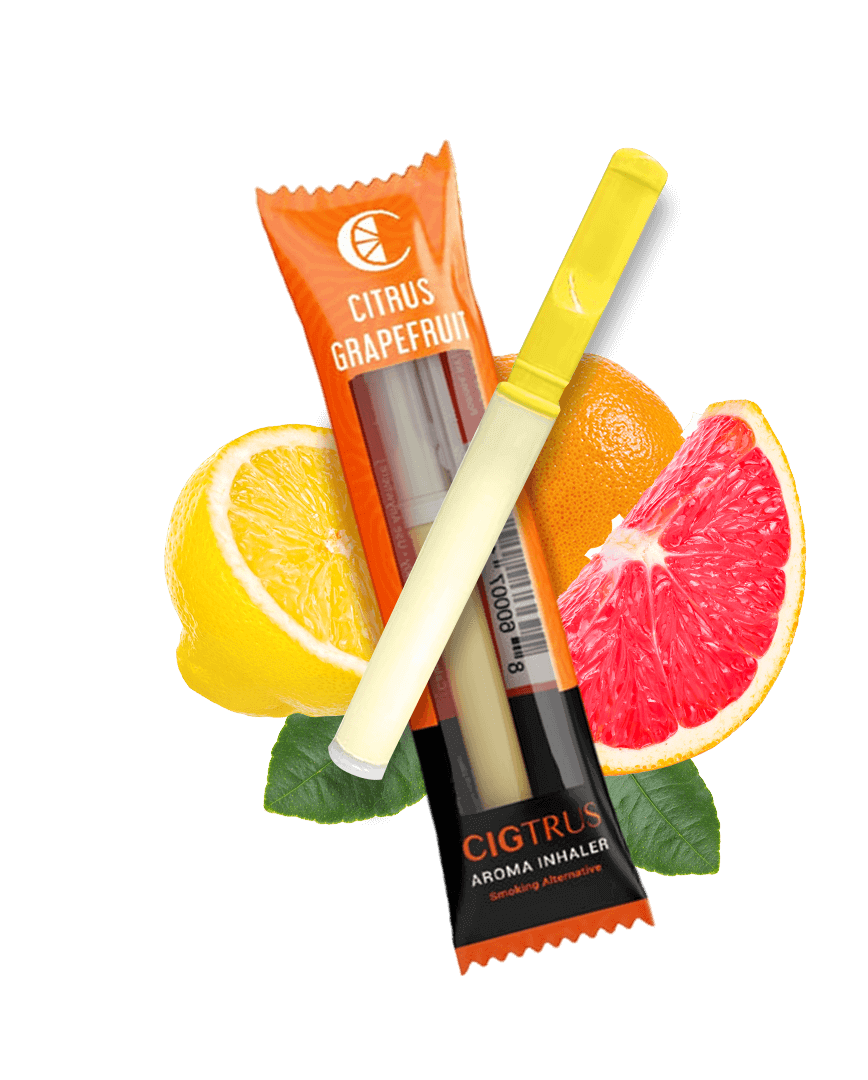
Have your Cigtrus inhaler on the nightstand or coffee maker, wherever the morning cigarette would have appeared. Use it at the same moment.
Add movement to the routine
A short walk or light stretch occupies the hands and body during the window when the morning trigger typically peaks.
Use citrus aroma to wake up
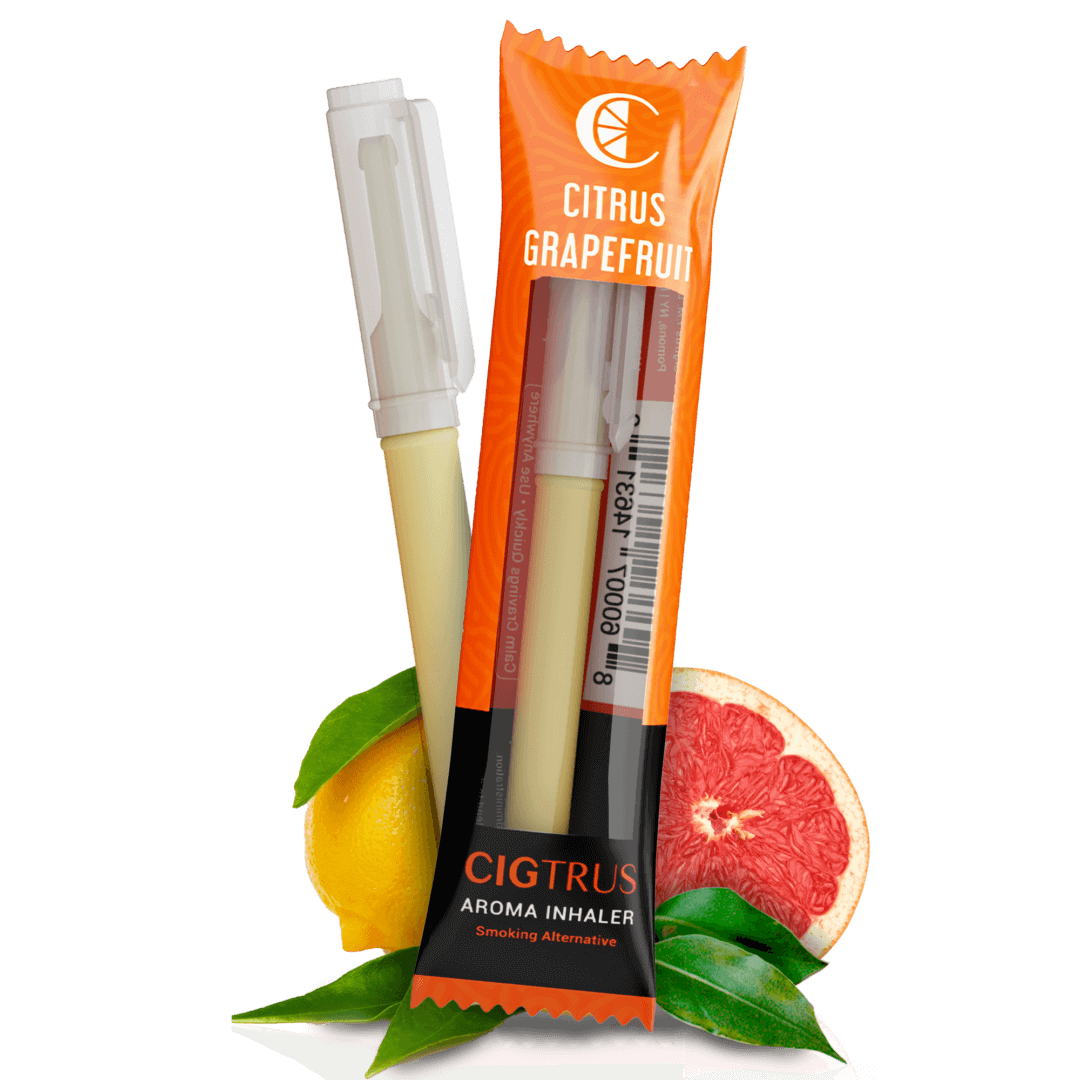
Citrus scents naturally boost alertness and lift mood, a clean sensory alternative to the stimulation that morning smoking used to provide.
Adults trying to quit smoking often discover that replacing the ritual itself may feel just as important as reducing nicotine, especially in the morning when the behavioral habit is at its most automatic.
How Smokeless Inhalers Support Smoke-Free Morning Routines
Some smokers searching for smoke-free alternatives begin exploring smokeless inhalers designed around hand-to-mouth habit replacement, oral fixation support, smoke-free routines, behavioral smoking patterns, and familiar inhalation habits. Unlike cigarettes or vaping devices, smokeless inhalers are non-electric, smoke-free, vapor-free, and nicotine-free, usable anywhere the morning routine happens to unfold. Many adults also want to understand how smokeless inhalers differ from vaping products.
How Cigtrus Fits Into Smoke-Free Morning Routines
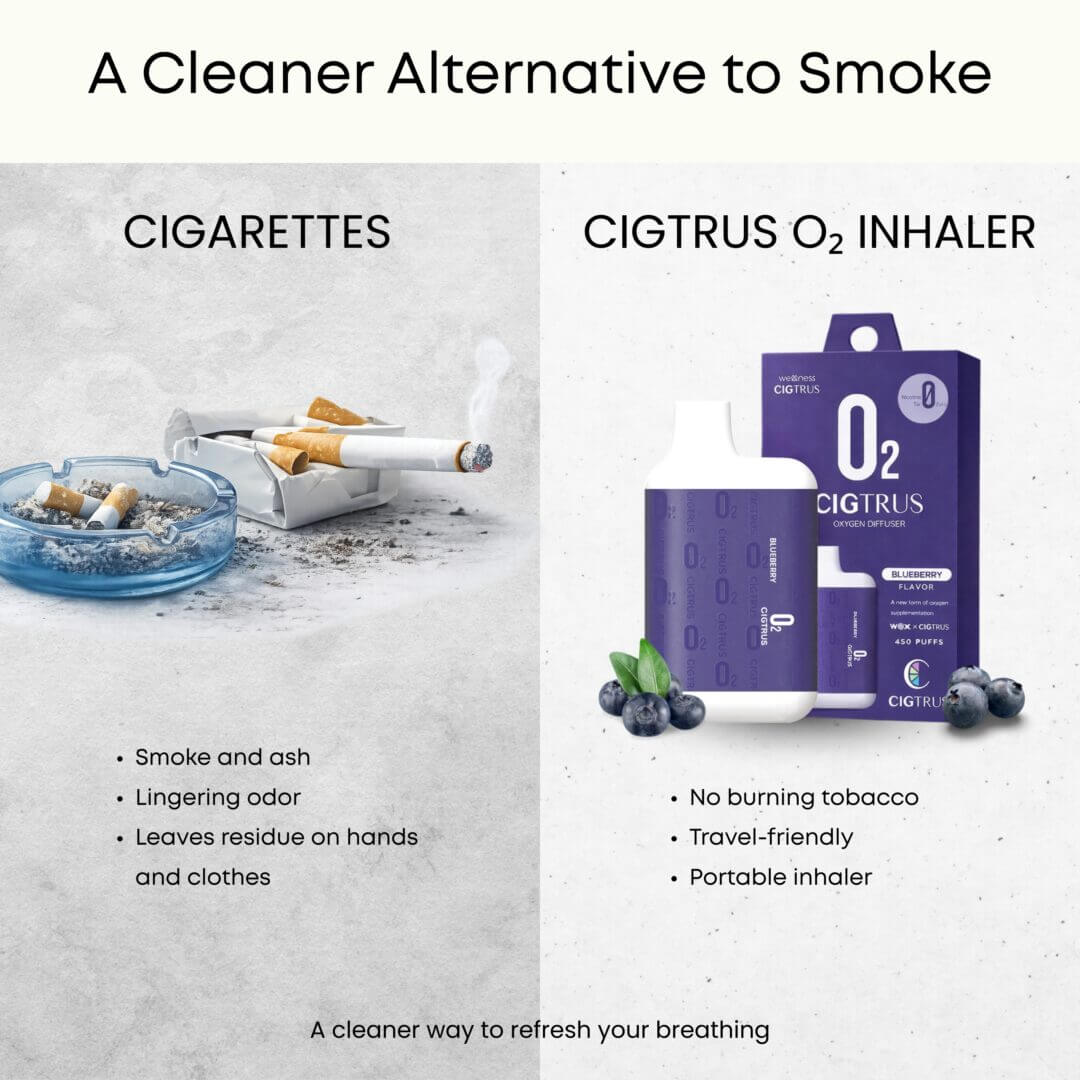
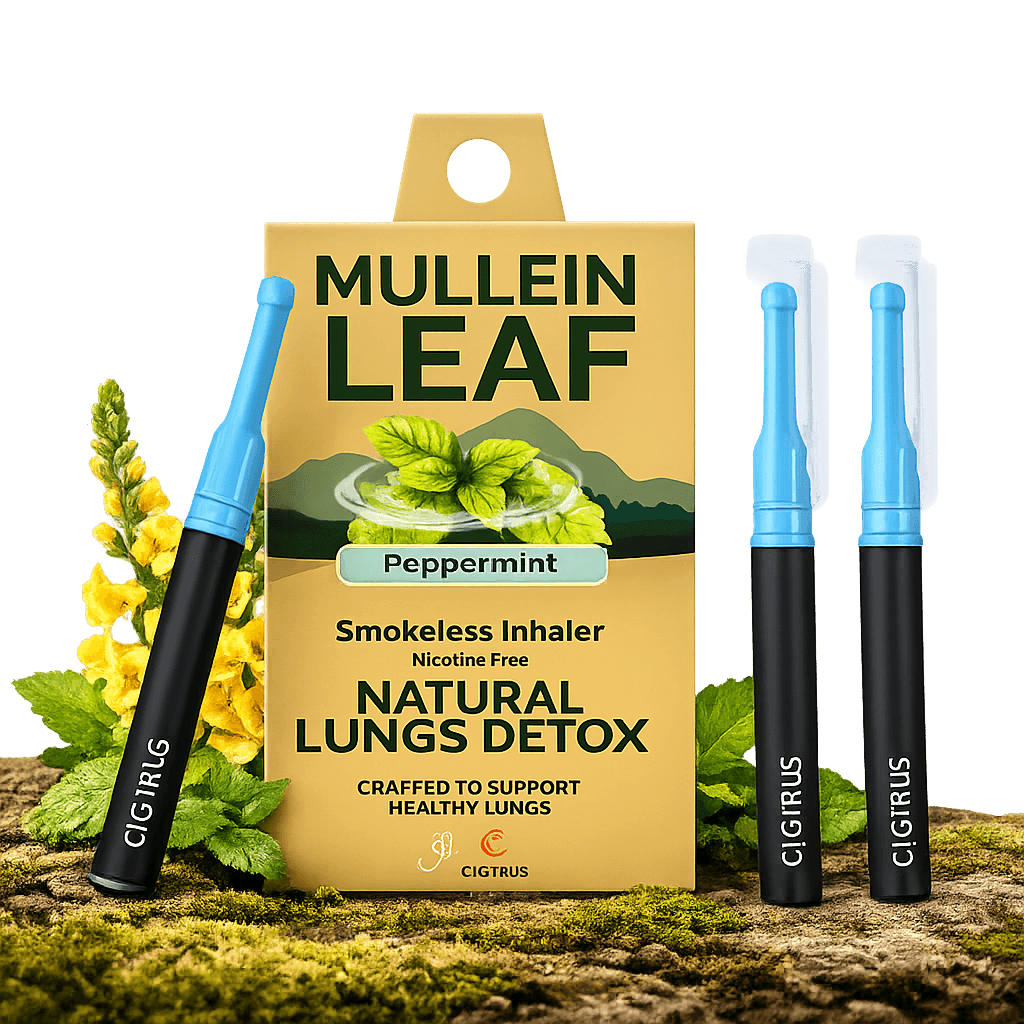
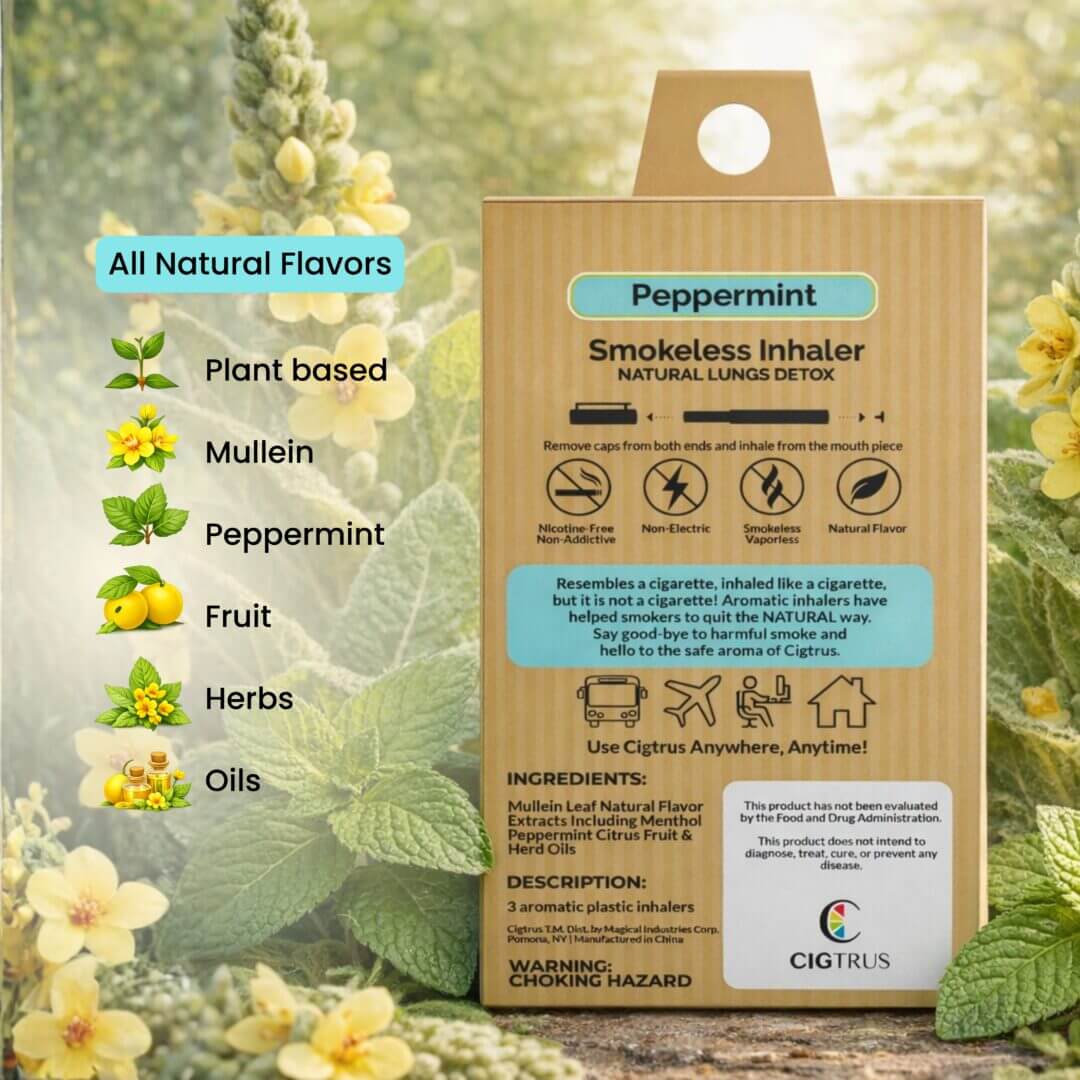
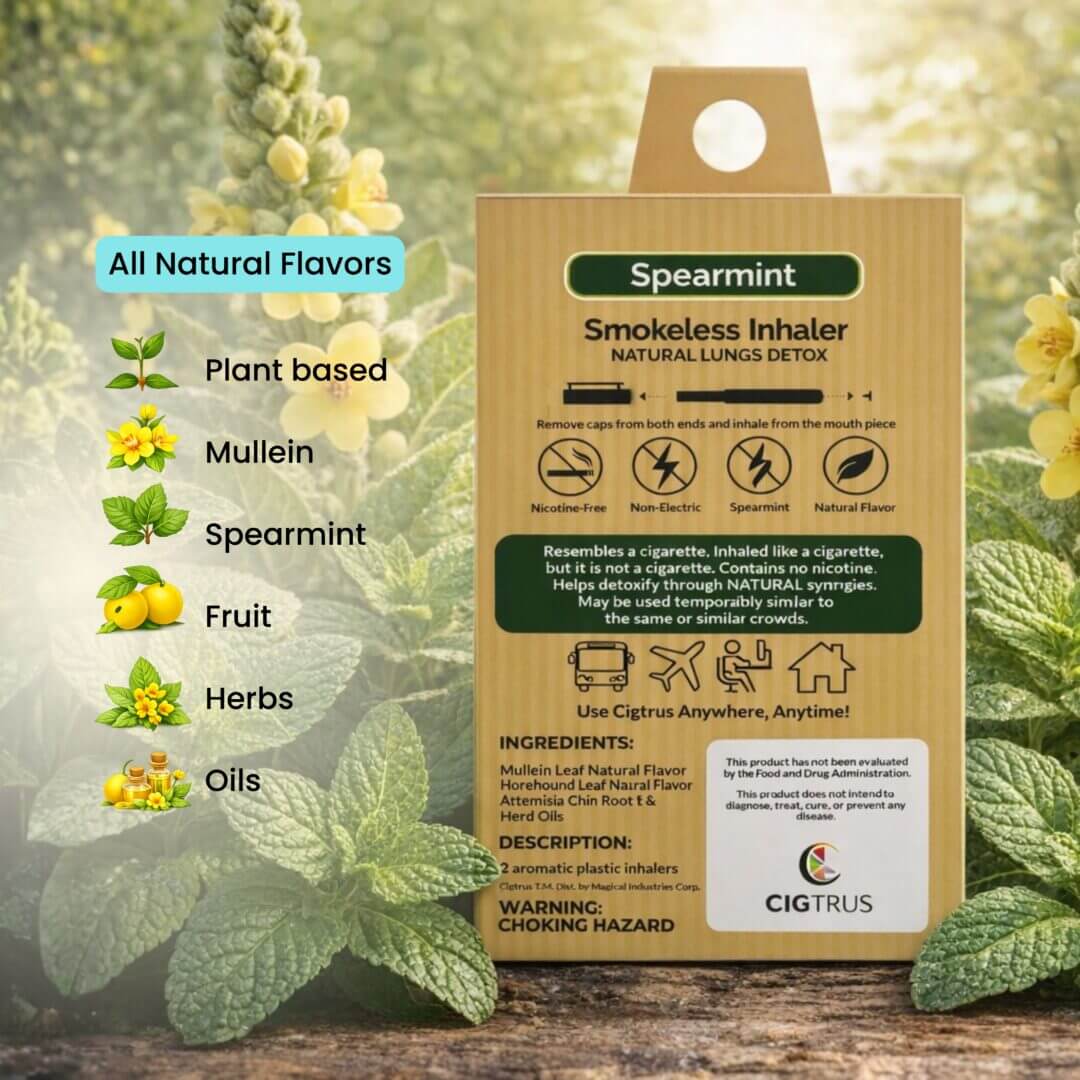
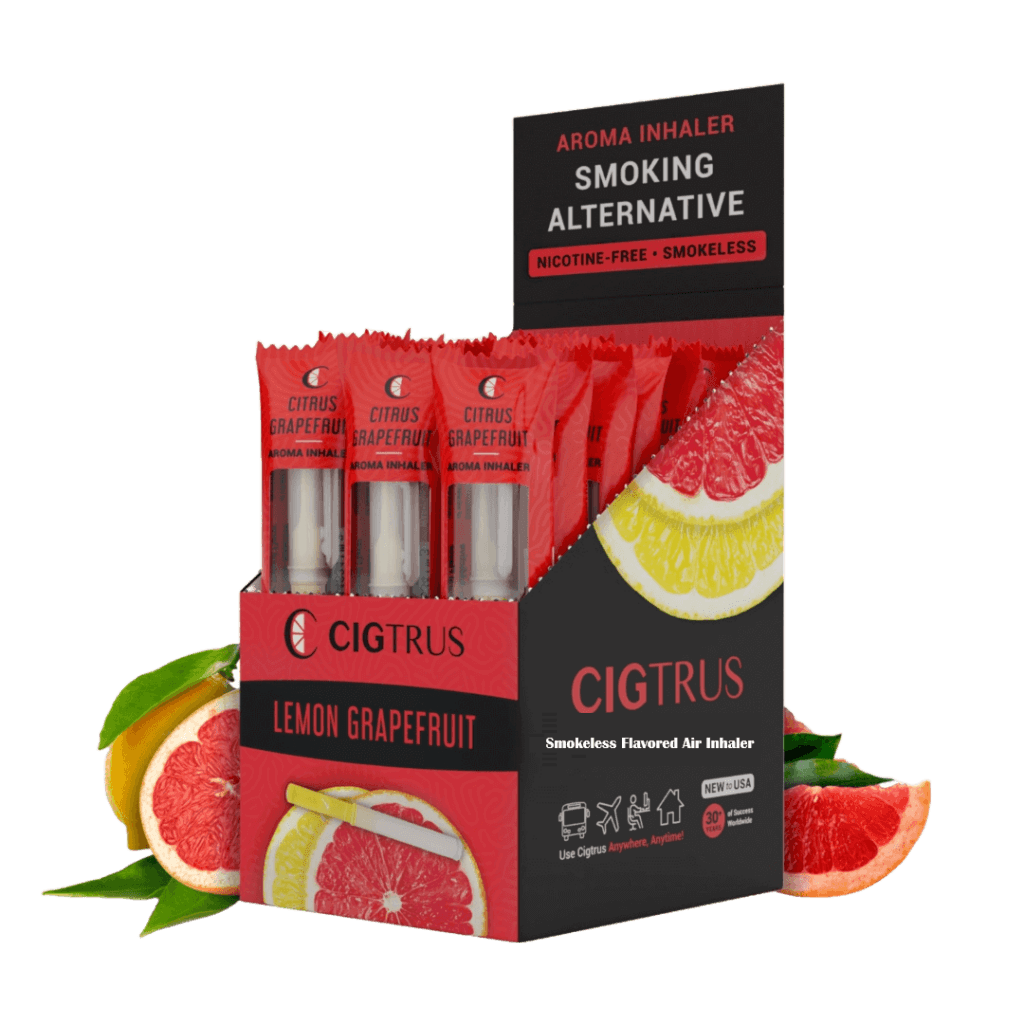
Cigtrus is a nicotine-free, smokeless, non-electric inhaler designed around supporting smoke-free routines, hand-to-mouth habit replacement, oral fixation, familiar inhalation behavior, and behavioral smoking patterns. Because Cigtrus contains no nicotine and produces no vapor, many adults find it easy to use while gradually building healthier smoke-free habits throughout the day, starting from the very first moment of the morning.
Why Cigtrus Works for Morning Routines
No charging, ready on the nightstand from the moment you wake up
No vapor, usable indoors, in the kitchen, anywhere the morning happens
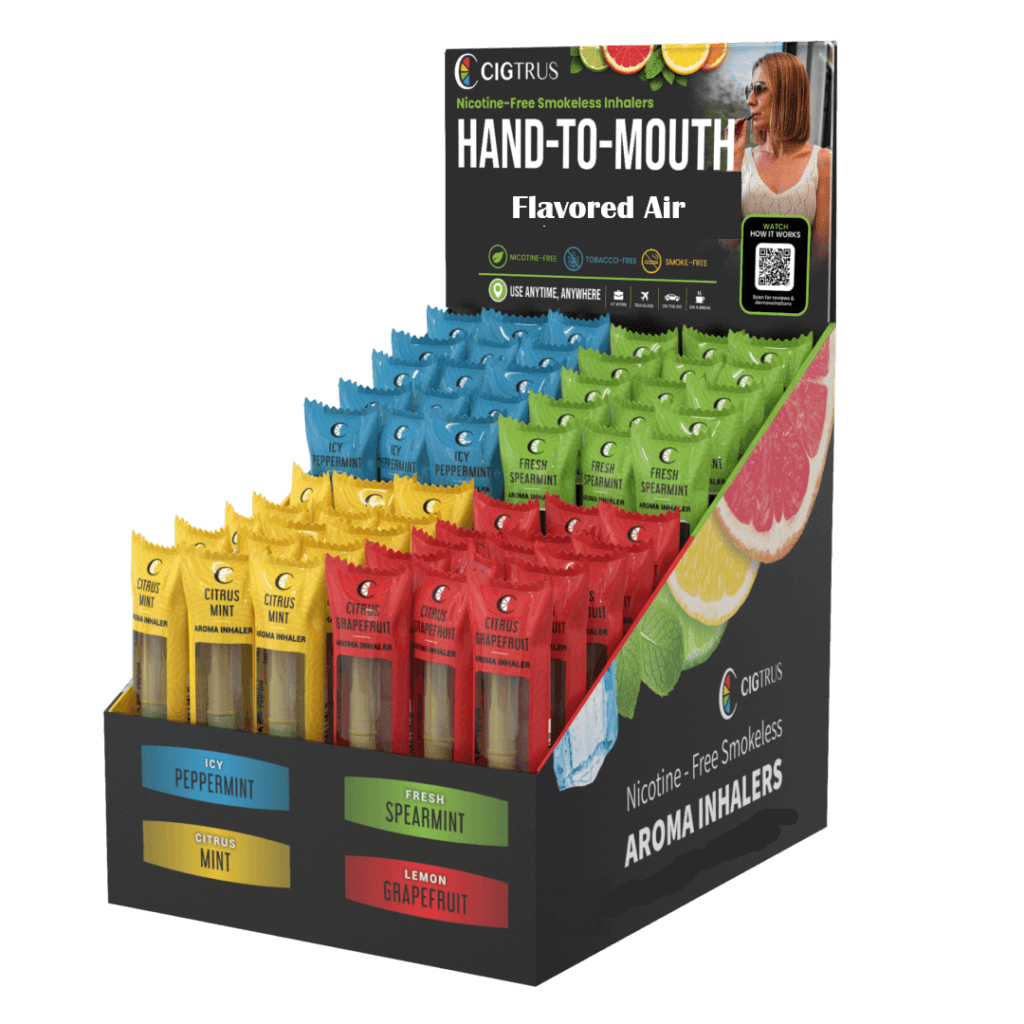
Natural citrus and mint aromas, a sensory wake-up without smoke
Pocket-sized, goes from bedroom to kitchen to commute without a second thought
Some smokers searching for smoke-free alternatives also begin exploring nicotine-free smokeless inhalers designed around behavioral support. Find out why more smokers are switching to smokeless inhalers.
Building Long-Term Smoke-Free Routines
Most smoking habits develop gradually through years of repetition and emotional association. Replacing those habits often takes consistency, patience, trigger awareness, healthier routines, and behavioral support. Many smokers also search for practical ways to manage cravings naturally while building healthier smoke-free habits over time. Creating healthier morning routines is where that process most often begins, and most often succeeds or fails.
Frequently Asked Questions
Why are mornings difficult for smokers?
Morning routines often become strongly connected to smoking habits through years of repeated behavior, and the brain wakes up already expecting the familiar pattern before the conscious mind intervenes.
What are smoke-free morning routines?
Healthier daily habits designed to replace repeated smoking behavior at the start of the day, providing the same sensory and behavioral ritual without smoke or nicotine.
Why do smoking cravings happen in the morning?
Morning cravings are often connected to repeated behavioral habits, familiar environments, daily stress, and the strong associative memory the brain builds through years of consistent morning smoking.
What is behavioral habit replacement?
Replacing repeated smoking routines with healthier smoke-free behaviors at the same trigger moments, so the behavioral loop is redirected rather than simply suppressed.
Why are smokeless inhalers becoming more popular?
Many adults are searching for smoke-free, non-electric alternatives that support behavioral routines without smoke, vapor, or nicotine, and are ready anywhere, anytime.
Win the Morning. Win the Day.
Natural aroma, no nicotine, no vapor, ready on your nightstand for the moment the first craving fires..
👉 Try the Variety Pack