
Breaking the Habit, Not the Ritual
Many smokers struggle to quit not because of nicotine alone — but because of the deeply ingrained habits connected to smoking. Understanding this difference can help create a more realistic and sustainable path toward quitting.
Over time, smoking becomes more than a chemical dependency. It turns into a daily ritual tied to routines, emotions, and repeated behaviors that feel almost automatic.
Why Smoking Becomes a Daily Ritual
Smoking often becomes part of everyday life. It gets linked to specific moments that repeat day after day until the brain begins to expect it automatically.
- Morning routines — the first cigarette of the day becomes part of waking up
- Work breaks — stepping outside for a cigarette structures the day
- Driving — hands reach automatically during commutes
- Stress relief — the cigarette becomes the pause and reset moment
- Social situations — around other smokers the habit fires without thinking
These repeated actions form a pattern that the brain begins to expect. Even when nicotine levels are reduced the ritual itself remains.
The Difference Between Habit and Addiction
Nicotine addiction plays a role — but habits are what make smoking feel automatic. Many smokers notice they are reaching for a cigarette before they have consciously decided to. The hand moves before the thought forms.
- Reaching for a cigarette without thinking
- Craving the act of inhaling itself — not just the nicotine
- Repeating the same routines daily at the same trigger moments
“Smoking is not just about nicotine — it is also about behavior. That is why most quit aids that only address nicotine leave people still reaching for the habit weeks later.”
Why Removing the Habit Feels Difficult
When people try to quit smoking they often remove the nicotine but leave a gap in their routine. That gap is what causes the most difficulty — not withdrawal. The triggers still fire but there is nothing to respond with.
This can lead to:
- Restlessness at trigger moments with nothing to do with your hands
- Increased cravings at the same times each day regardless of nicotine levels
- Difficulty adjusting to daily situations that used to involve smoking
Without replacing the habit quitting can feel incomplete — and that is exactly when most people relapse.
Replacing the Habit, Not Just Removing It
A more effective approach focuses on replacing the habit itself — not just removing it. This means giving your body a clean alternative to respond with at every trigger moment.
Maintain the hand-to-mouth action
Your hands need somewhere to go. Replacing the motion with something clean stops the gap that causes relapse.
Keep familiar routines
Do not try to eliminate the routine entirely. Replace what happens during it — keep the break, change what you reach for.
Create new patterns at trigger moments
Every time you use a replacement instead of a cigarette you weaken the old habit loop by one repetition.
Replacing the ritual helps reduce the shock of quitting. It keeps the familiar physical experience while removing everything harmful.
Smoke-Free Alternatives That Support the Ritual
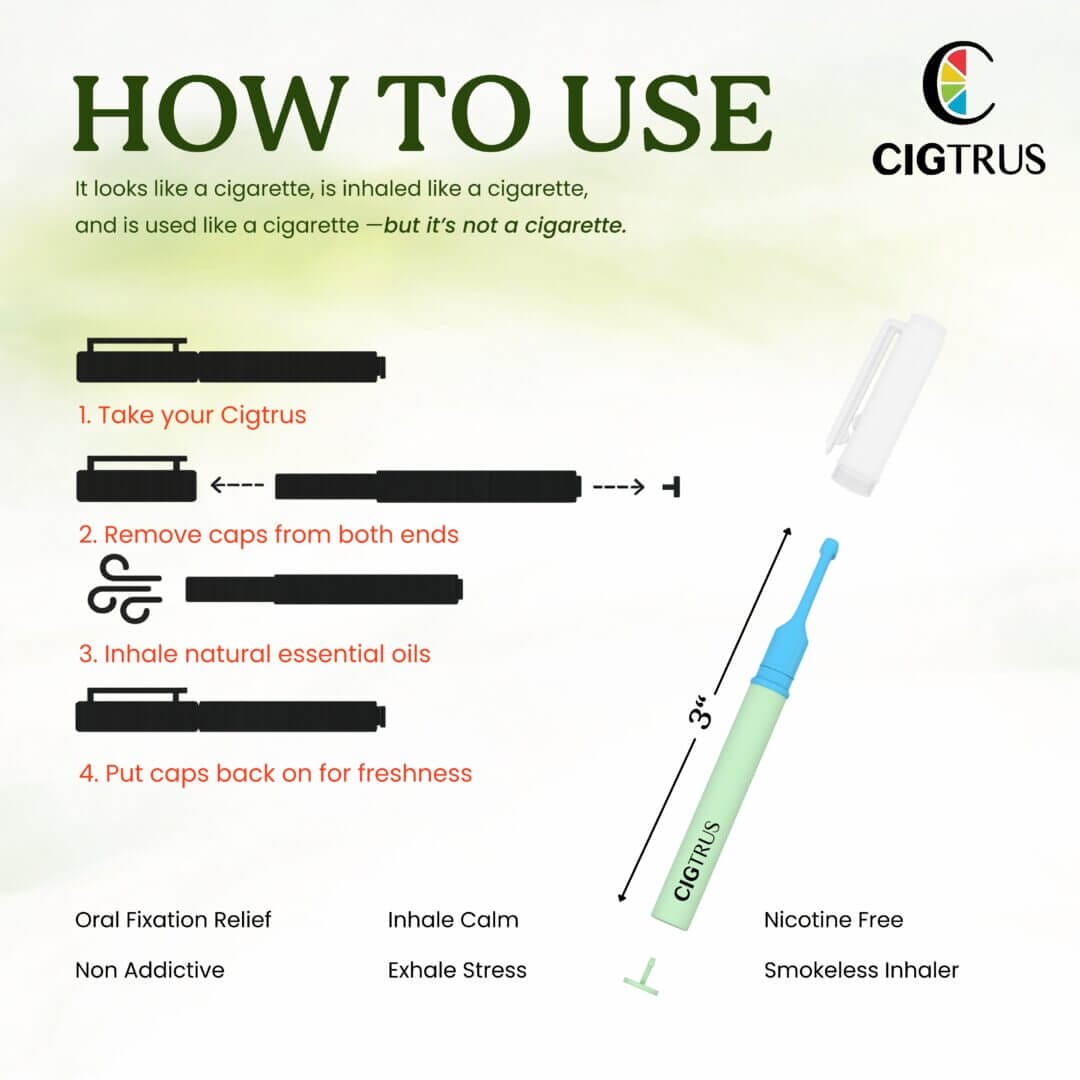
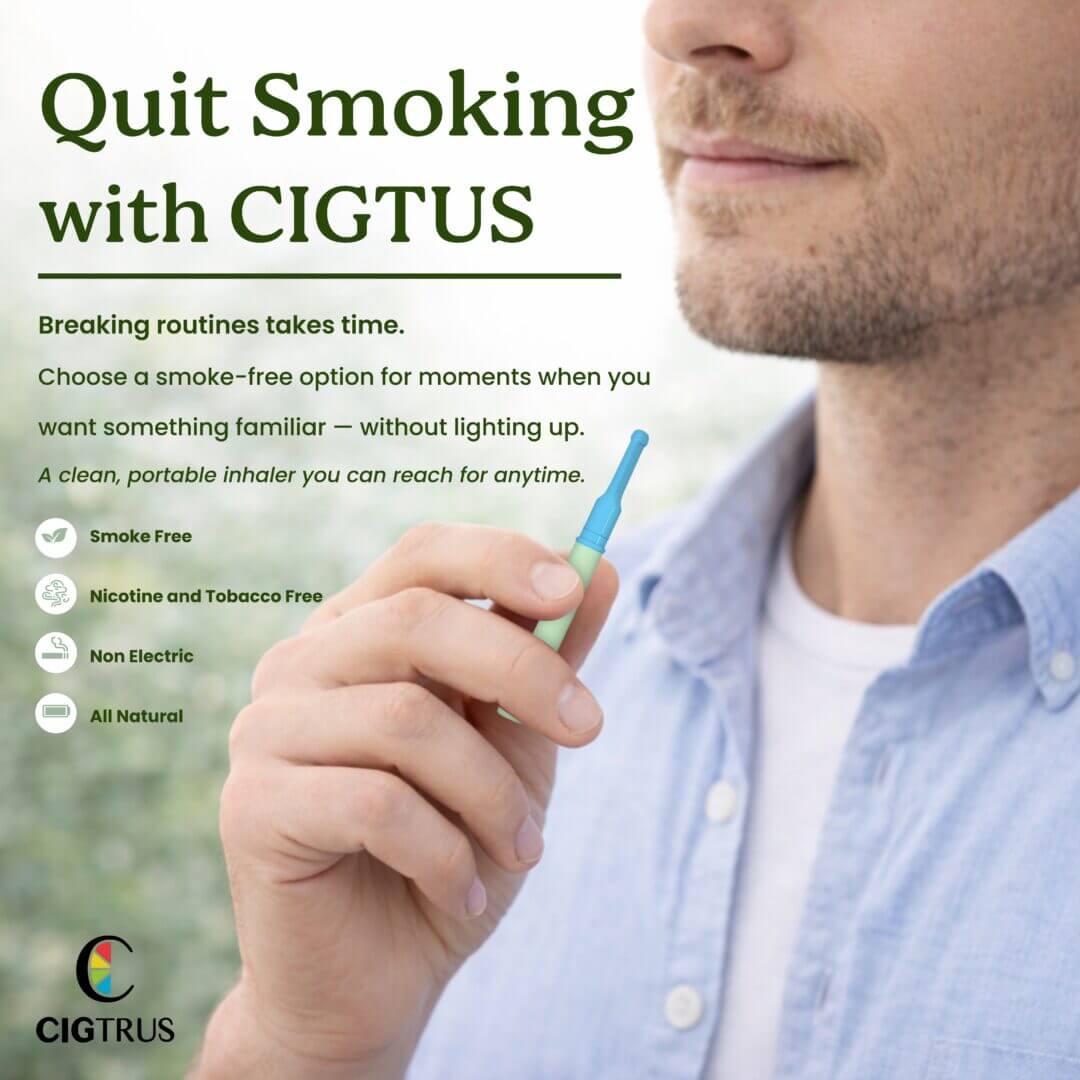
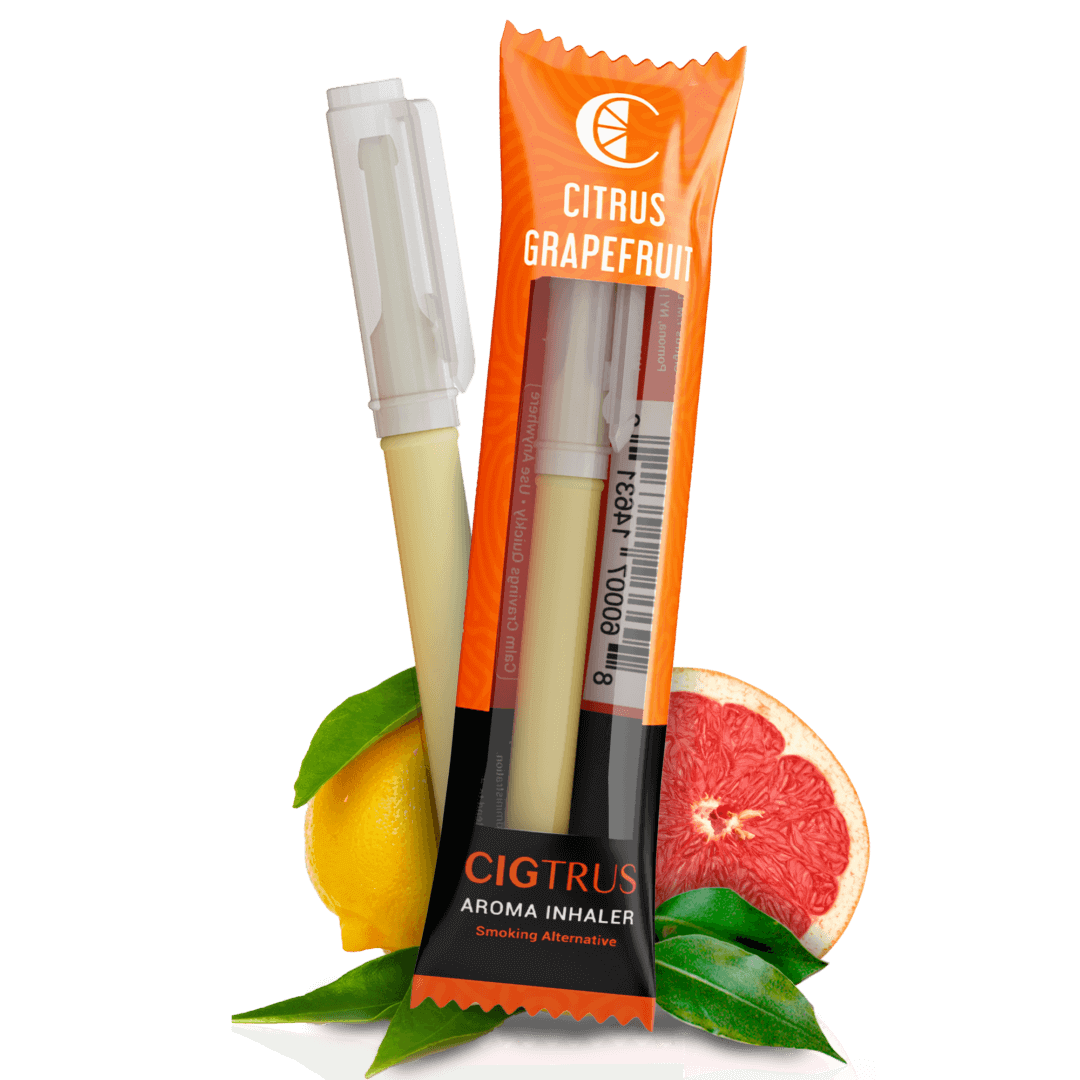
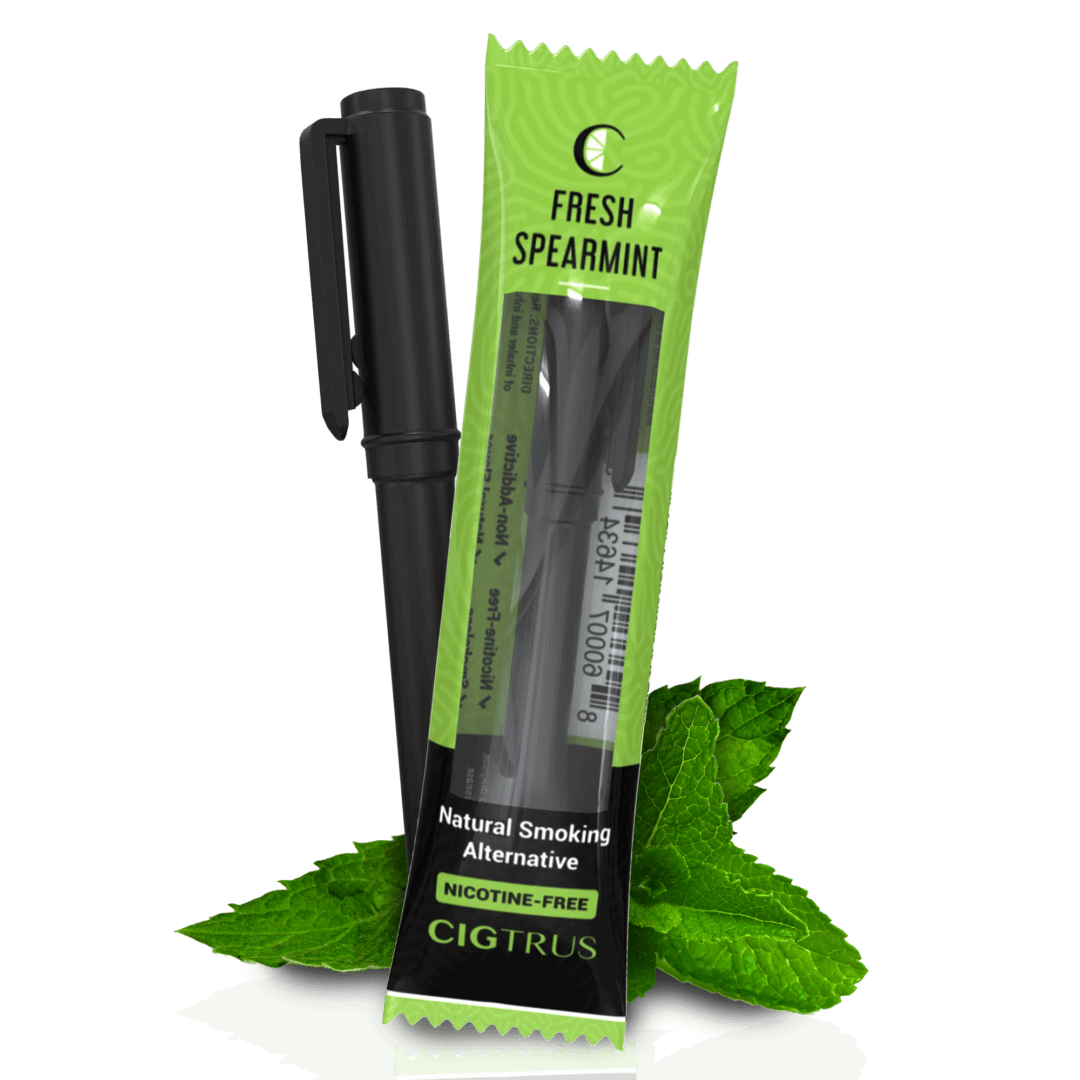
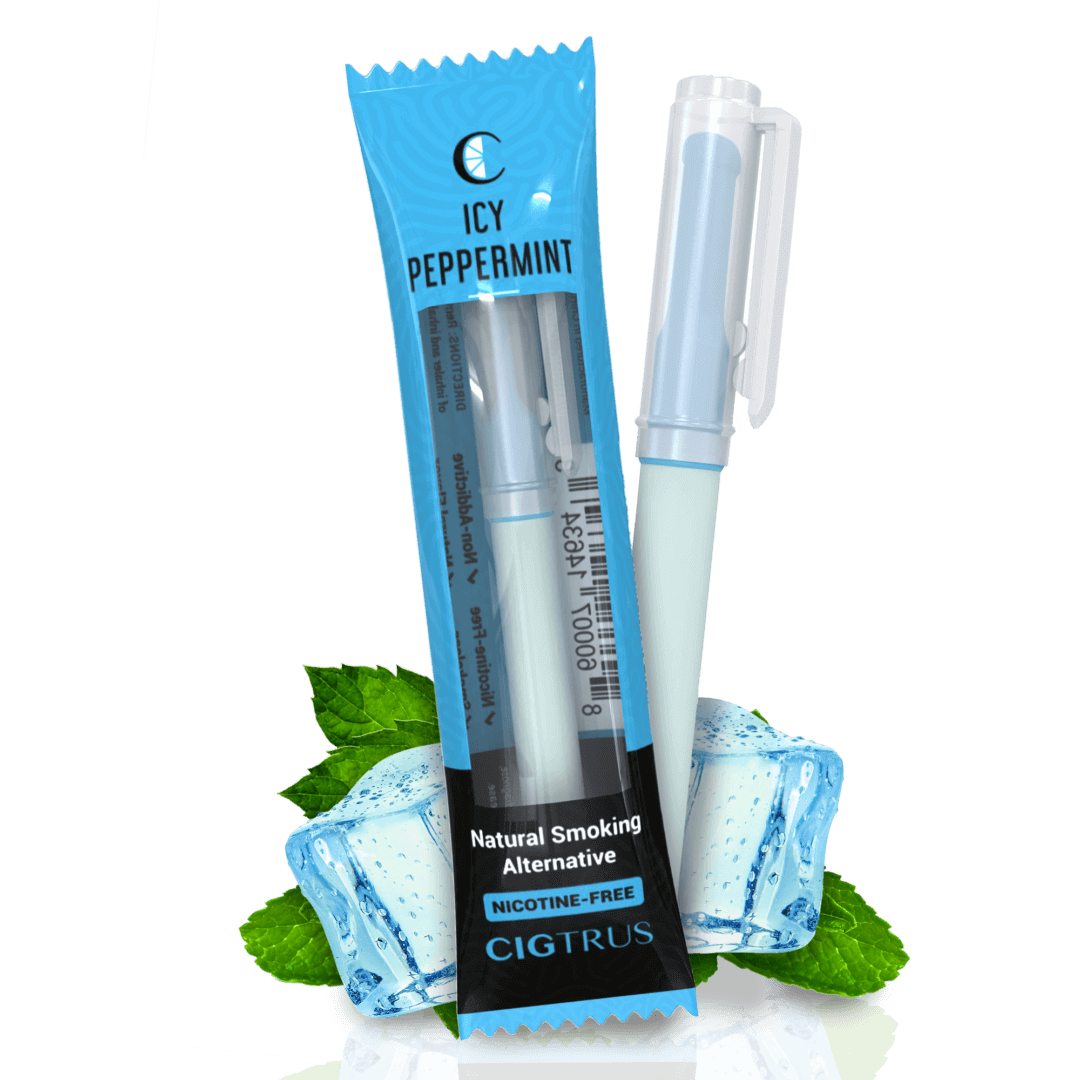
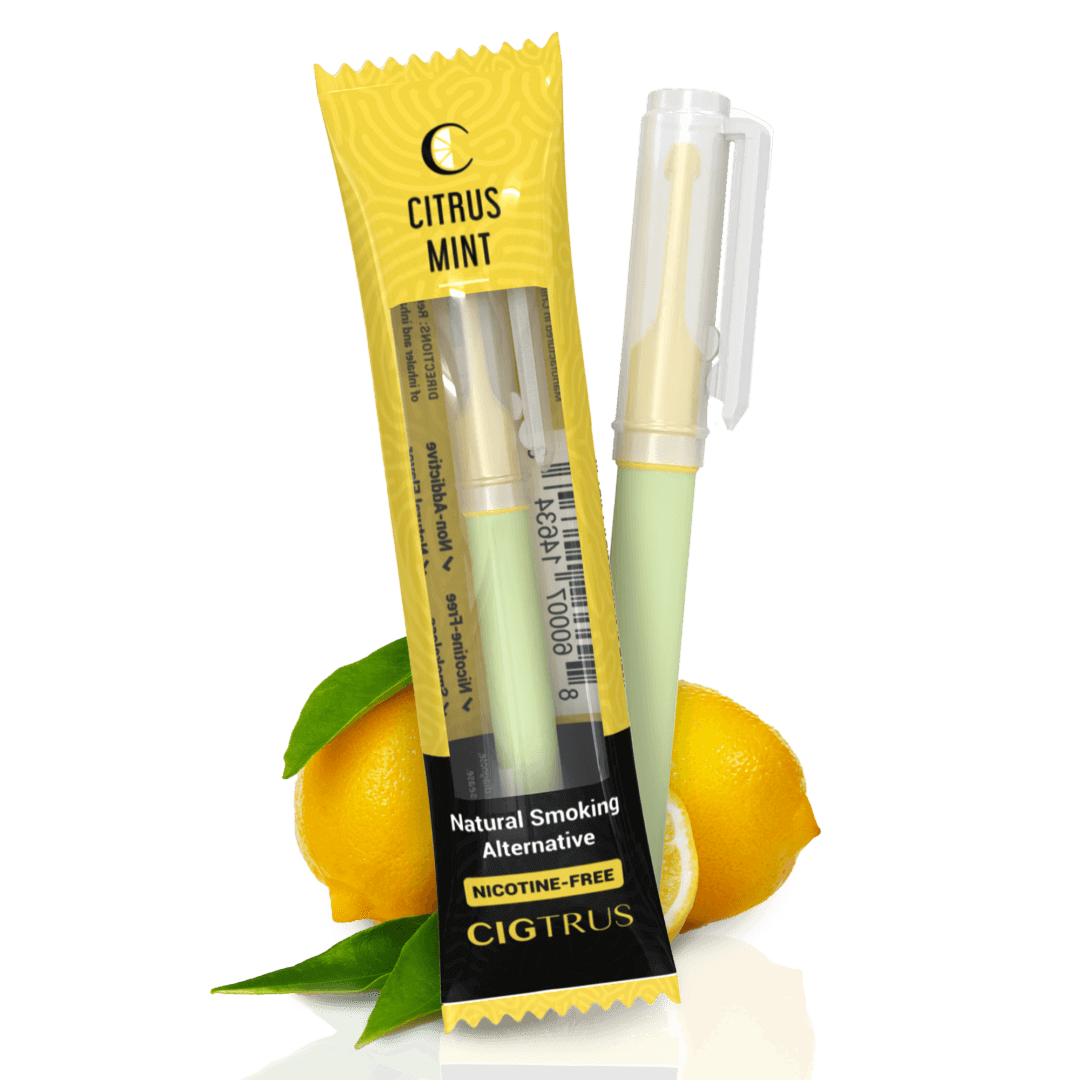
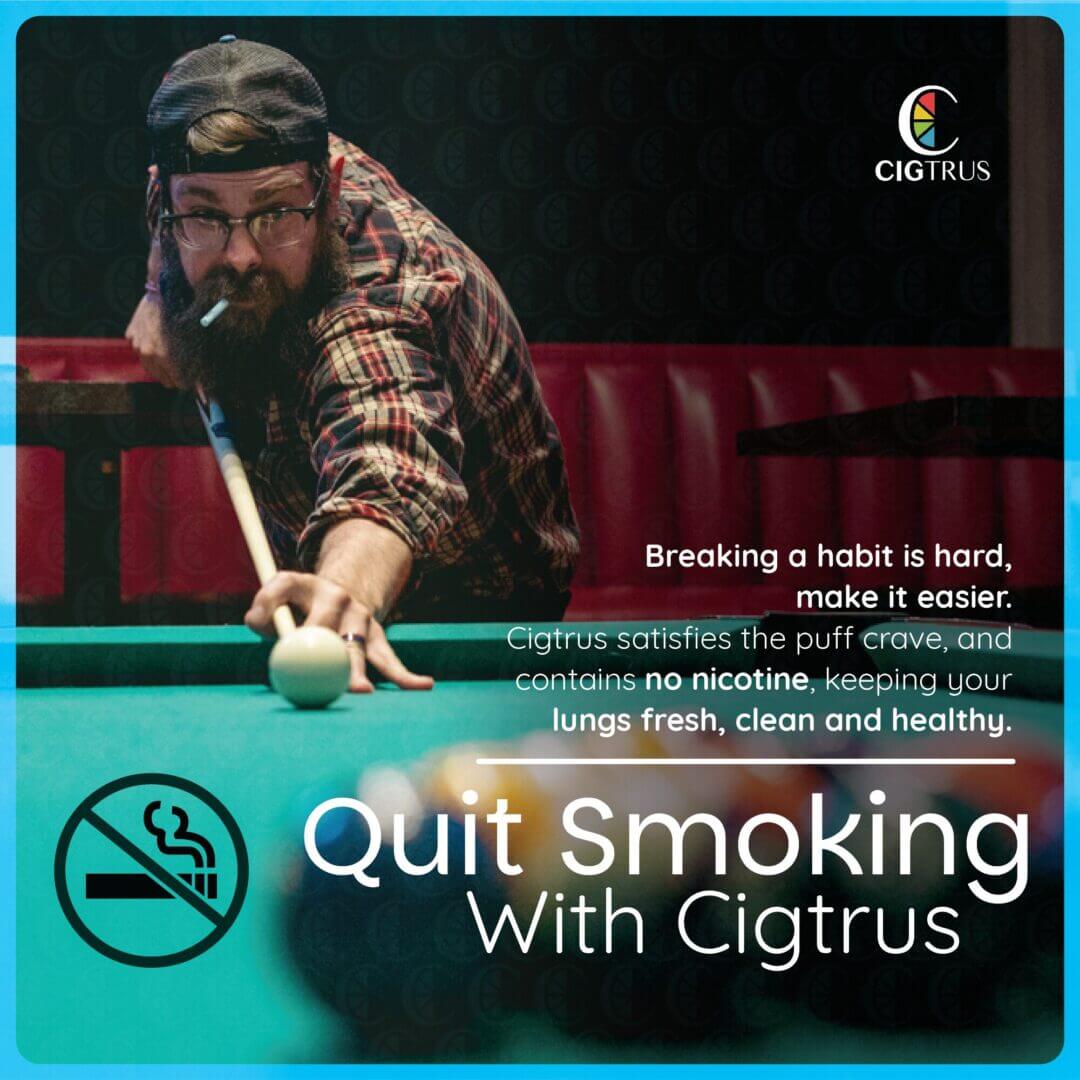
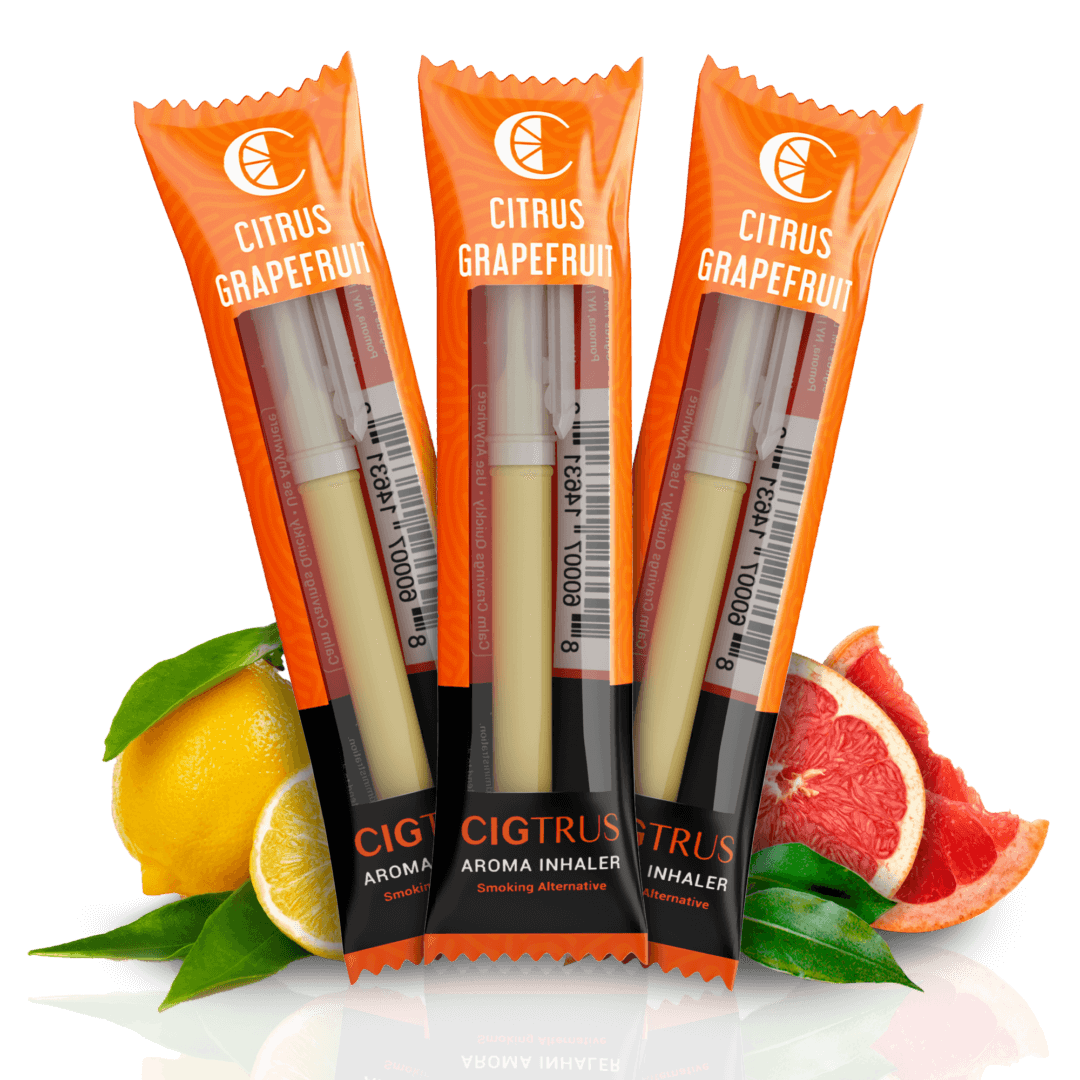
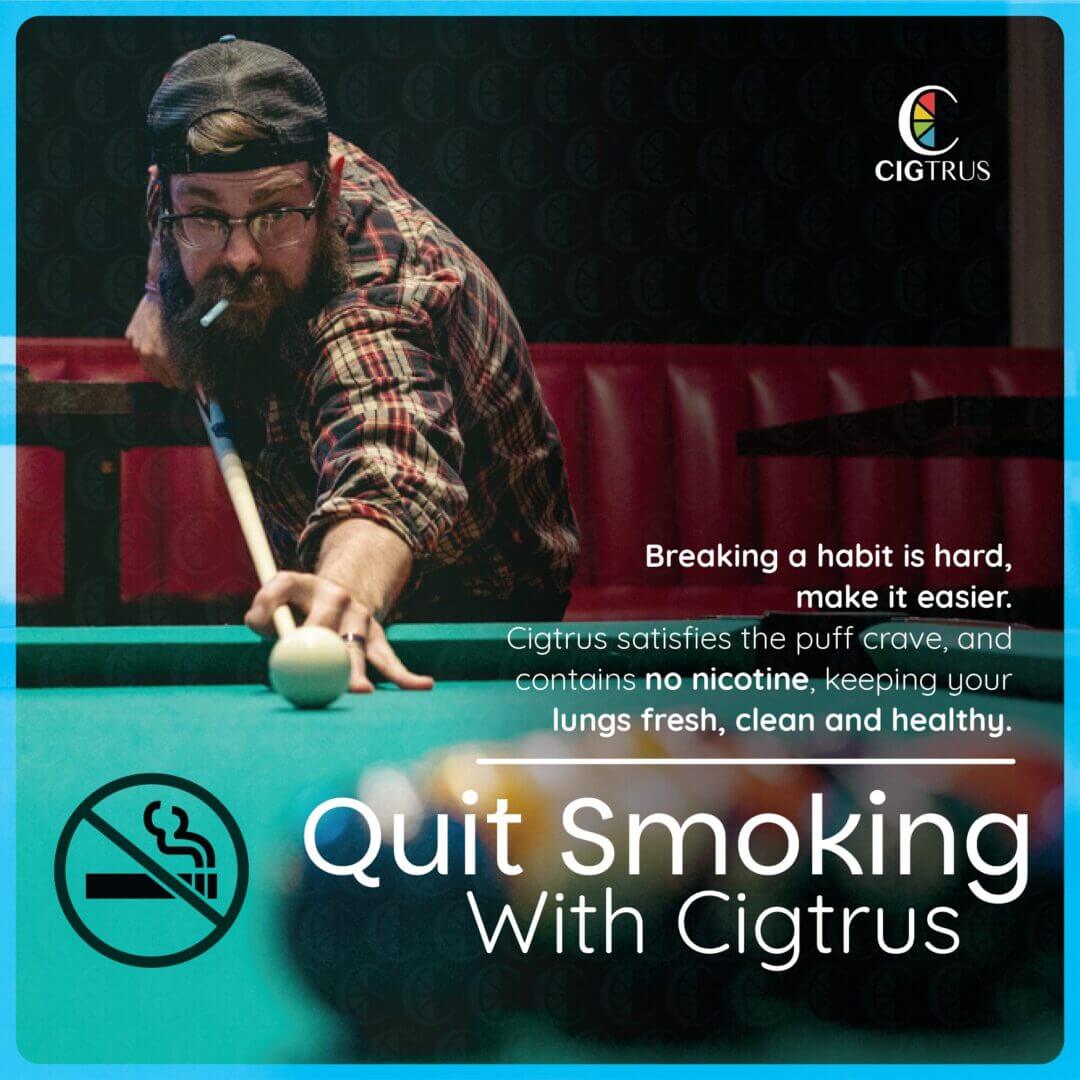
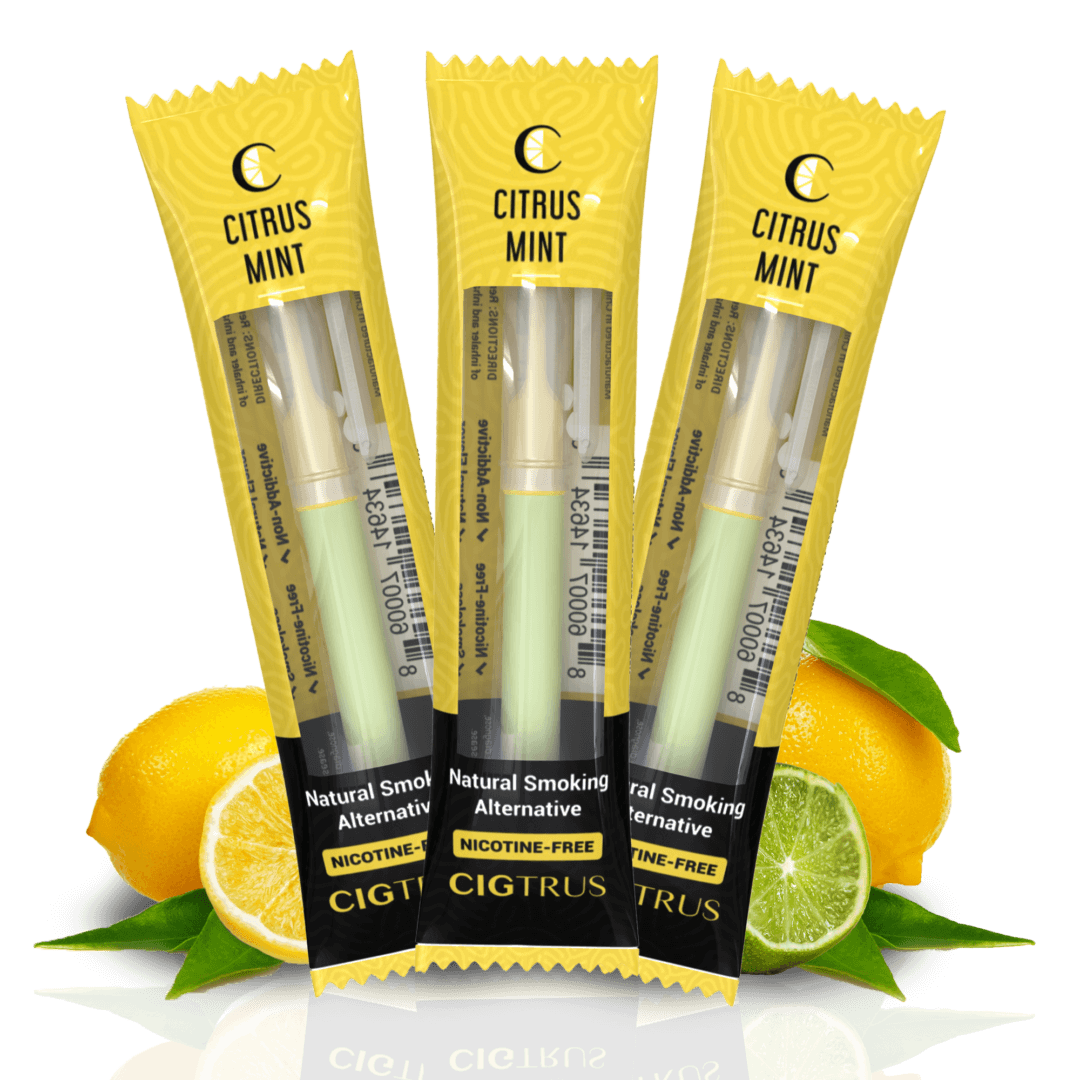
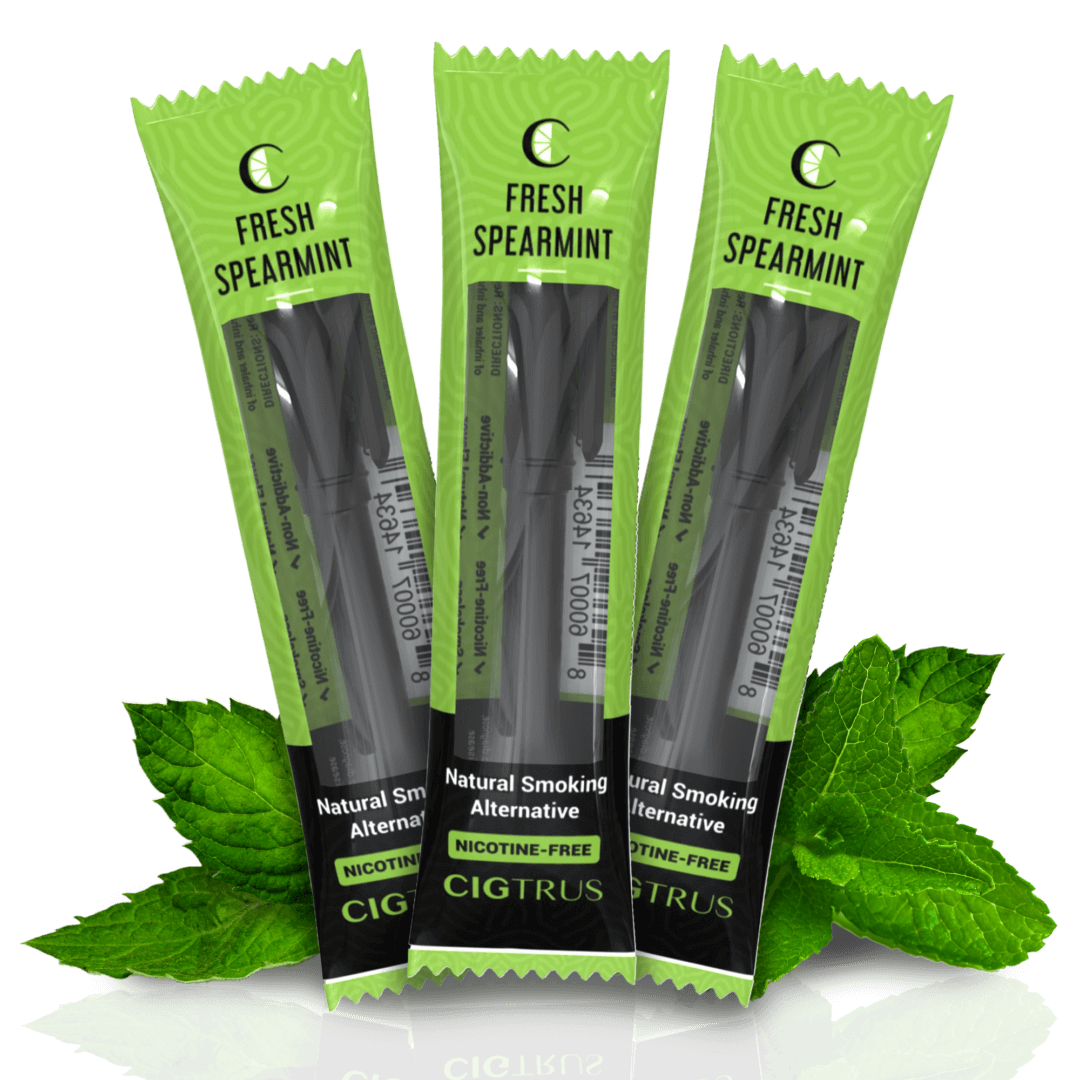
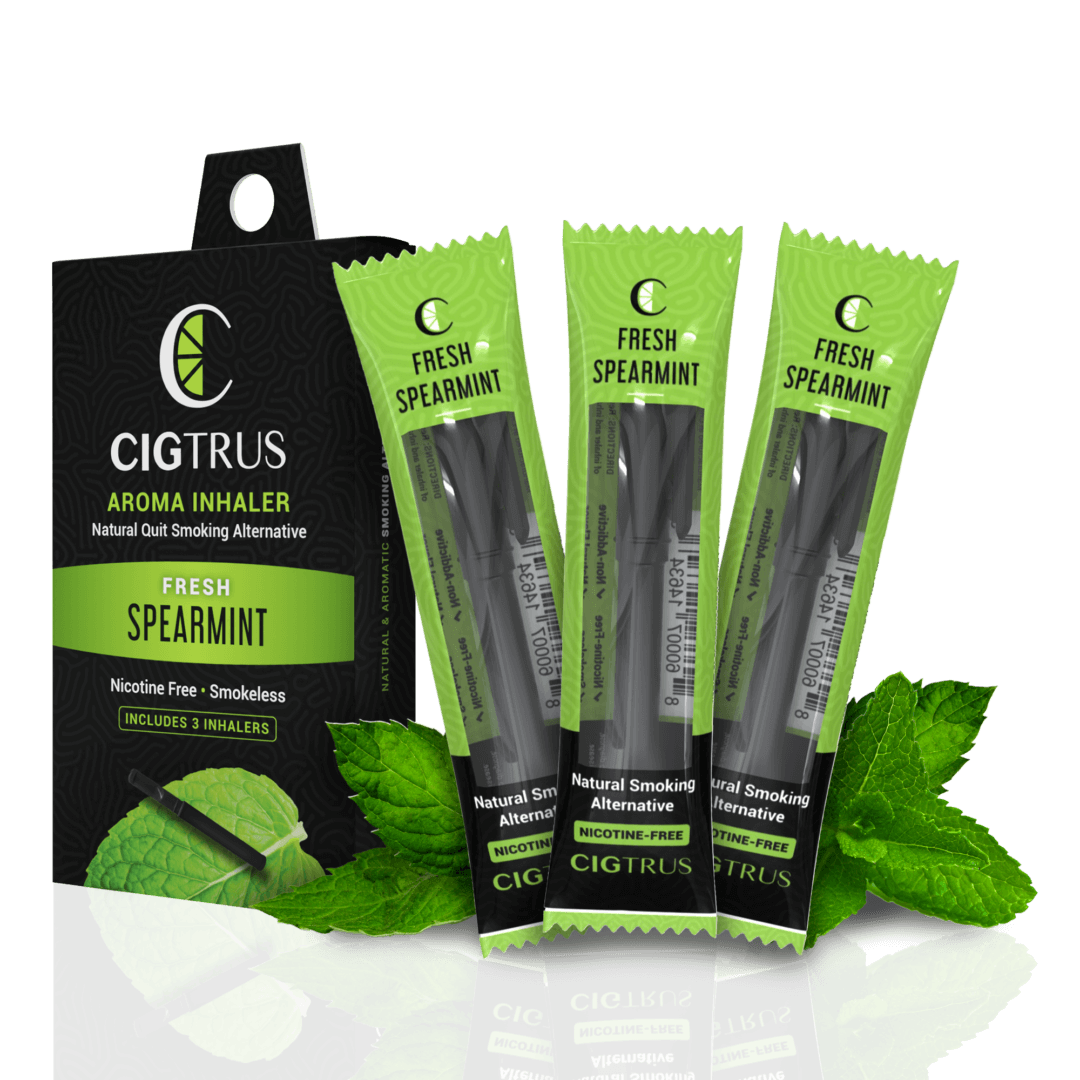
Some smokers look for options that support the physical routine without nicotine. Cigtrus is a nicotine-free, smokeless inhaler designed to support exactly this — the hand-to-mouth habit, the inhalation routine, and the familiar pause — without any smoke, vapor, battery, or nicotine.
- Supports the hand-to-mouth habit your hands reach for automatically
- Preserves the inhalation routine your body expects
- Works as a smoke-free alternative in any environment
- Can be used during work, travel, commuting, or anywhere smoking is not allowed
This allows users to maintain the ritual while moving completely away from smoking.
Connecting Habit Replacement to Quitting Strategies
Breaking the habit is a key part of quitting smoking successfully. Focusing only on nicotine often overlooks the behavioral side of smoking — which is where most people get stuck. Combining both approaches creates a much stronger path forward.
Building New Smoke-Free Routines
Replacing smoking with new routines takes time — but it works. The process involves identifying your personal triggers, having a replacement ready at each one, and staying consistent. Over time these changes help reduce dependence on smoking behaviors until the new routine becomes the automatic one.
- Identify every trigger moment where you normally smoke
- Have a smoke-free replacement ready at each one
- Stay consistent — every repetition of the new behavior weakens the old one
Using practical quitting smoking strategies can help reduce cravings while replacing daily smoking routines one trigger at a time.
Frequently Asked Questions
What does “breaking the habit, not the ritual” mean?
It means replacing the smoking behavior while keeping the familiar physical routine — making the transition easier by giving your body something clean to do instead.
Why is the smoking ritual so strong?
Because it is built through thousands of repeated daily actions connected to emotions and routines over months and years. The brain wires those moments together automatically.
Can replacing the habit help you quit smoking?
Yes. Many smokers find it easier to quit when they replace the physical routine instead of removing everything at once and leaving nothing in its place.
Is nicotine the only reason people smoke?
No. Habits, routines, emotional triggers, and behavioral patterns all play a major role — often a bigger role than nicotine itself once the chemical dependency begins to fade.
Replace the Ritual.
Keep the Routine.
Cigtrus is nicotine-free, smokeless, and works anywhere. Try all four flavors with the Variety Pack.
👉 Shop the Variety Pack — Try All 4 Flavors