
How Stress Triggers Smoking Habits, and What to Do Instead
Stress is one of the most powerful triggers for smoking cravings. For many smokers, cigarettes became the automatic stress response over years of repetition, and that wiring does not simply disappear when someone decides to quit. The brain still fires the same trigger at every difficult moment, pressure point, and busy day.
Understanding why stress triggers smoking, and having something ready for those moments, is one of the most important parts of any successful quit journey.
Why Stress and Smoking Become So Deeply Connected
Smoking becomes a stress-management tool through repetition. Every time a smoker reaches for a cigarette during a tense moment, the brain reinforces the connection: stress fires → cigarette follows. After thousands of repetitions over years, that association becomes automatic, the brain no longer thinks about it, it just does it.
This is why many people who quit smoking find that stress feels more intense after quitting, not because stress is actually worse, but because the familiar coping mechanism is gone and nothing has replaced it yet.
“The craving during a stressful moment is often not about nicotine at all. It is about the familiar pause, the familiar breath, the familiar routine that the brain learned to associate with the release of pressure. That is what needs to be replaced.”
The Stress Triggers That Still Fire After Quitting
Work Pressure
Deadlines, difficult conversations, and high-stakes moments all fire the old stress-to-cigarette reflex automatically, regardless of nicotine levels.
Conflict and Frustration
Arguments, disagreements, and situations where emotions run high trigger the reach for a cigarette because smoking was the emotional release valve for years.
Overwhelm and Overload
Too many tasks, too much noise, too many decisions, the brain reaches for its familiar pause button even long after someone has stopped smoking.
Boredom and Restlessness
Idle moments with nothing happening still send the hands reaching automatically for something familiar to do, the stress of having nothing to do is a trigger too.
What to Do Instead at Stressful Moments
The goal is not to suppress the stress response, it is to redirect it toward something clean. Having a concrete replacement ready at every stressful moment is what prevents the craving from winning.
How Cigtrus Supports Stress-Triggered Habit Replacement
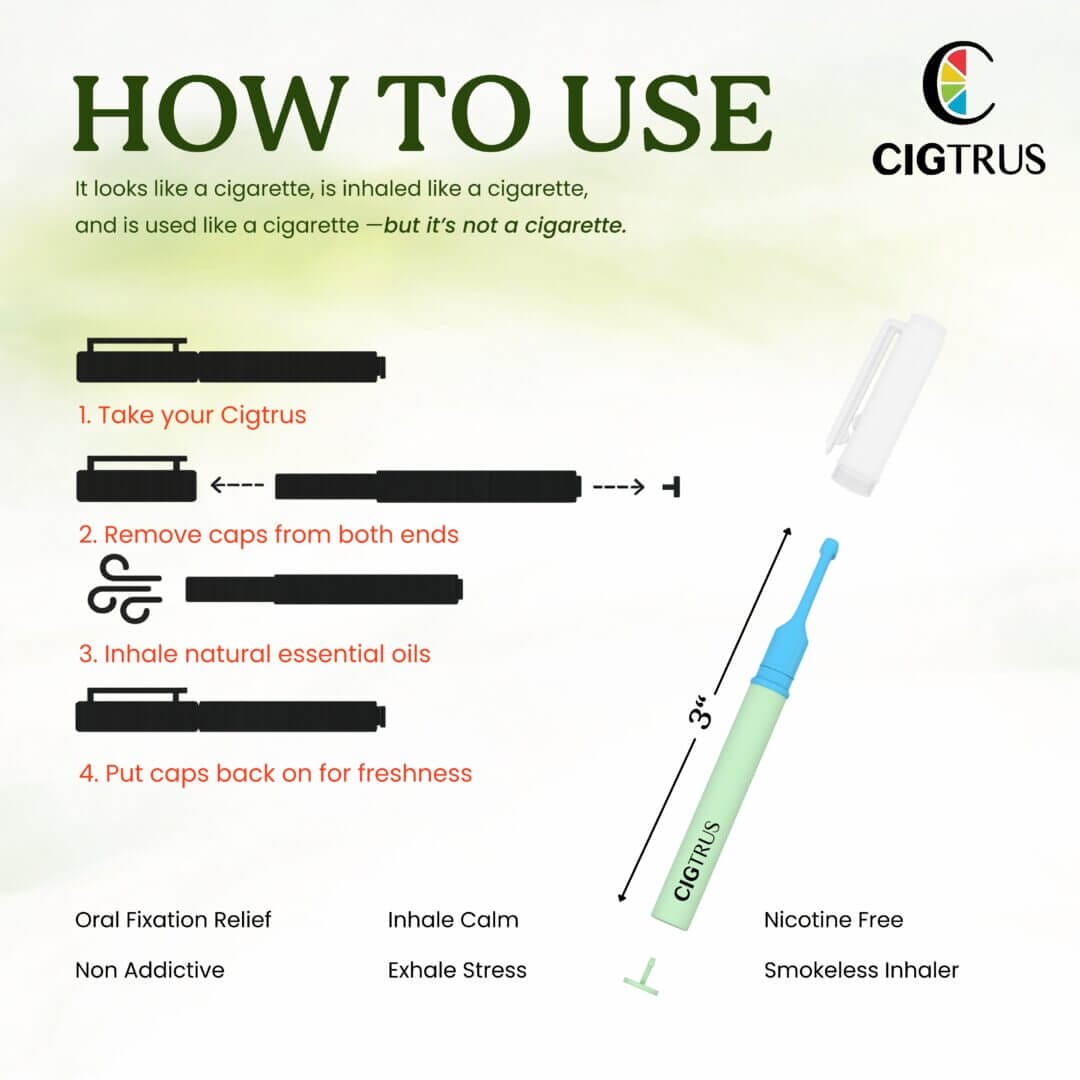
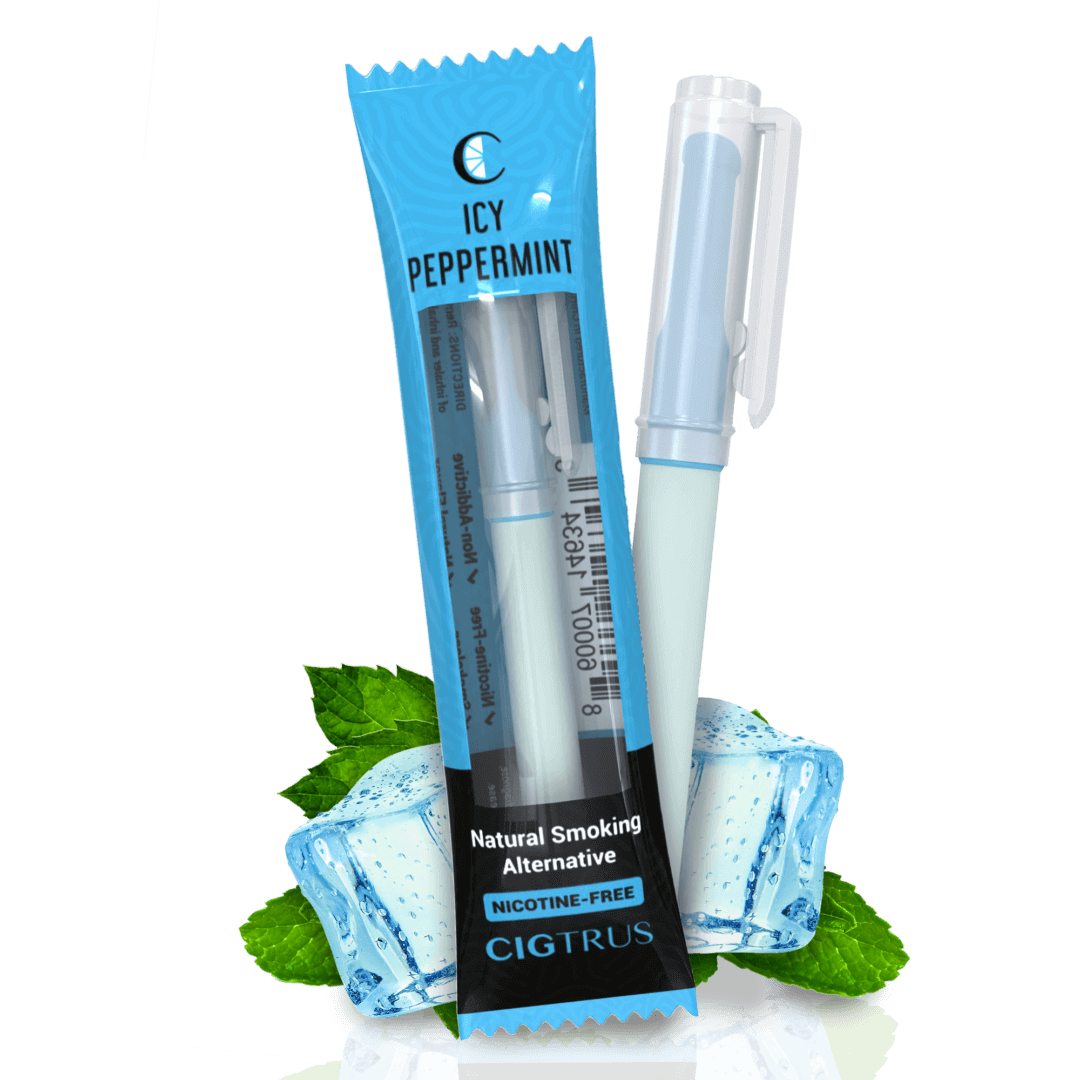
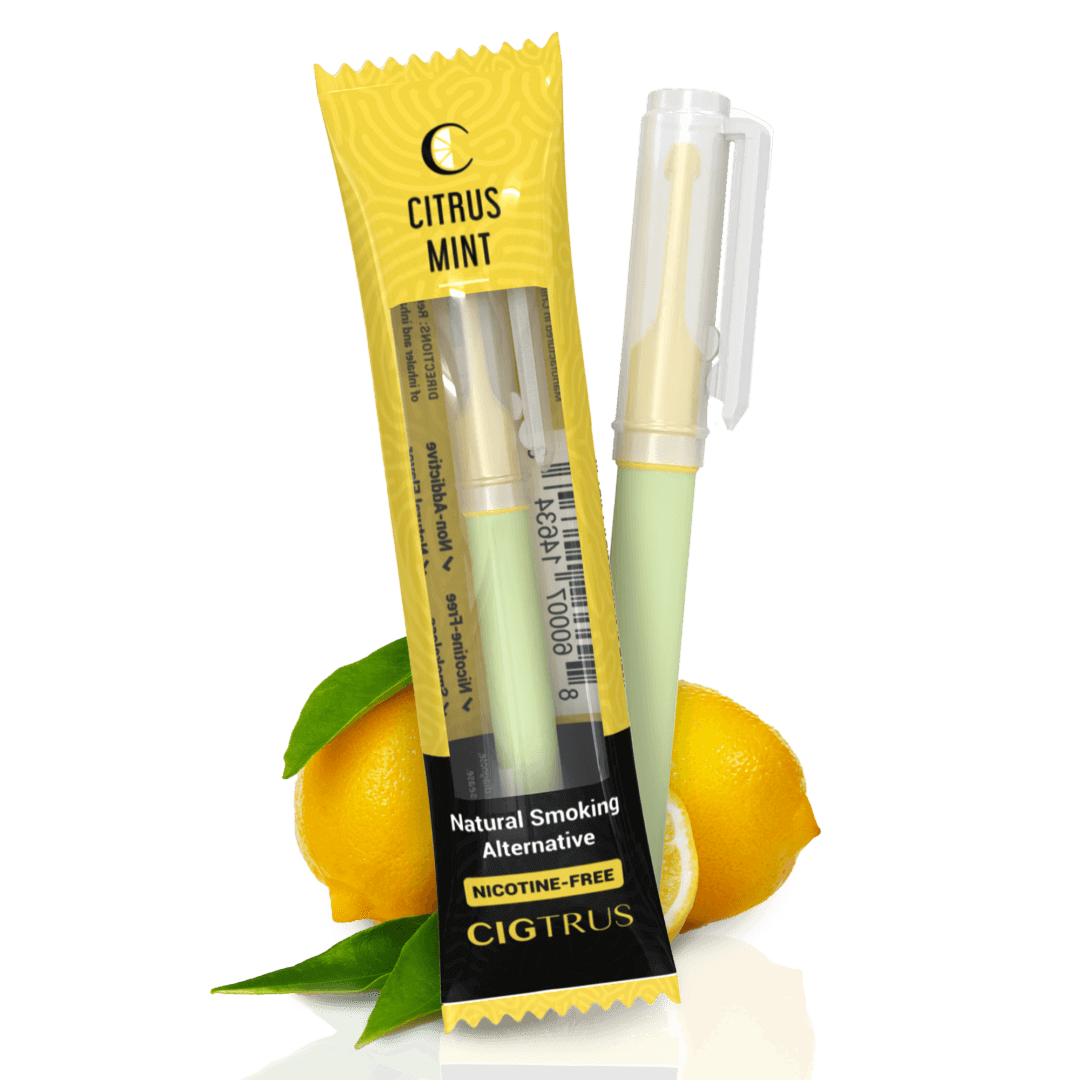
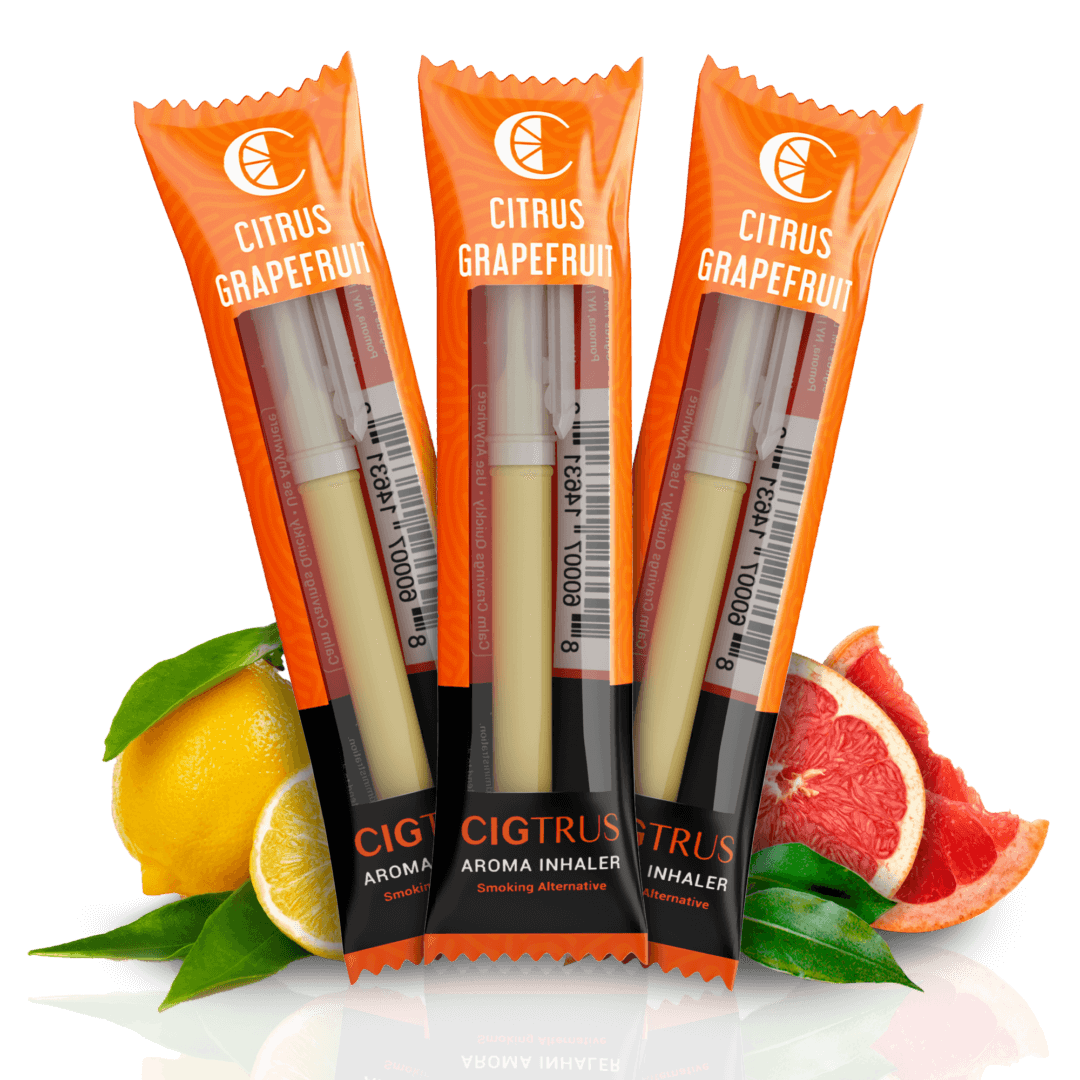
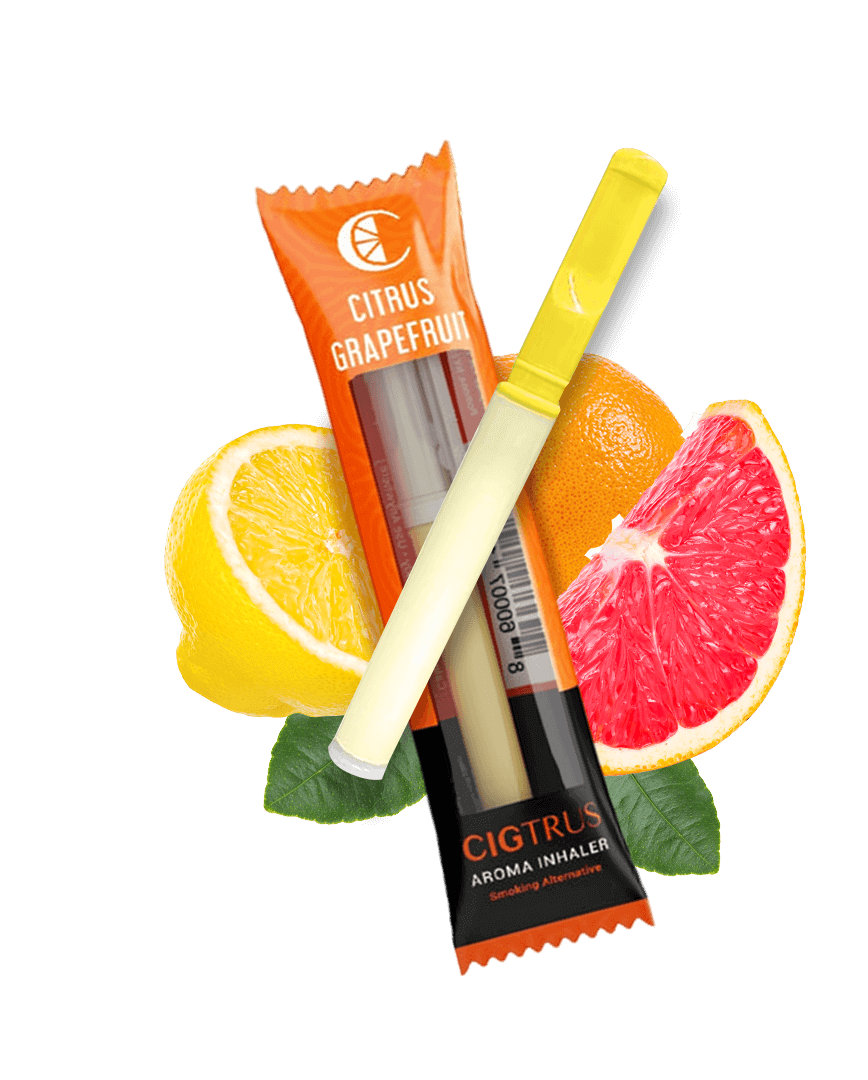
Cigtrus is a nicotine-free, smokeless, non-electric inhaler designed to be ready at exactly these moments. When a stressful trigger fires and the hands automatically reach, Cigtrus gives them somewhere clean to go, the familiar motion, the familiar breath, the familiar pause, without smoke, vapor, or nicotine.
Why Cigtrus Works for Stress-Triggered Cravings
Satisfies the hand-to-mouth habit, the automatic reach that stress triggers fire without conscious thought
Provides the familiar inhalation rhythm, the deep breath that once came with every stress response
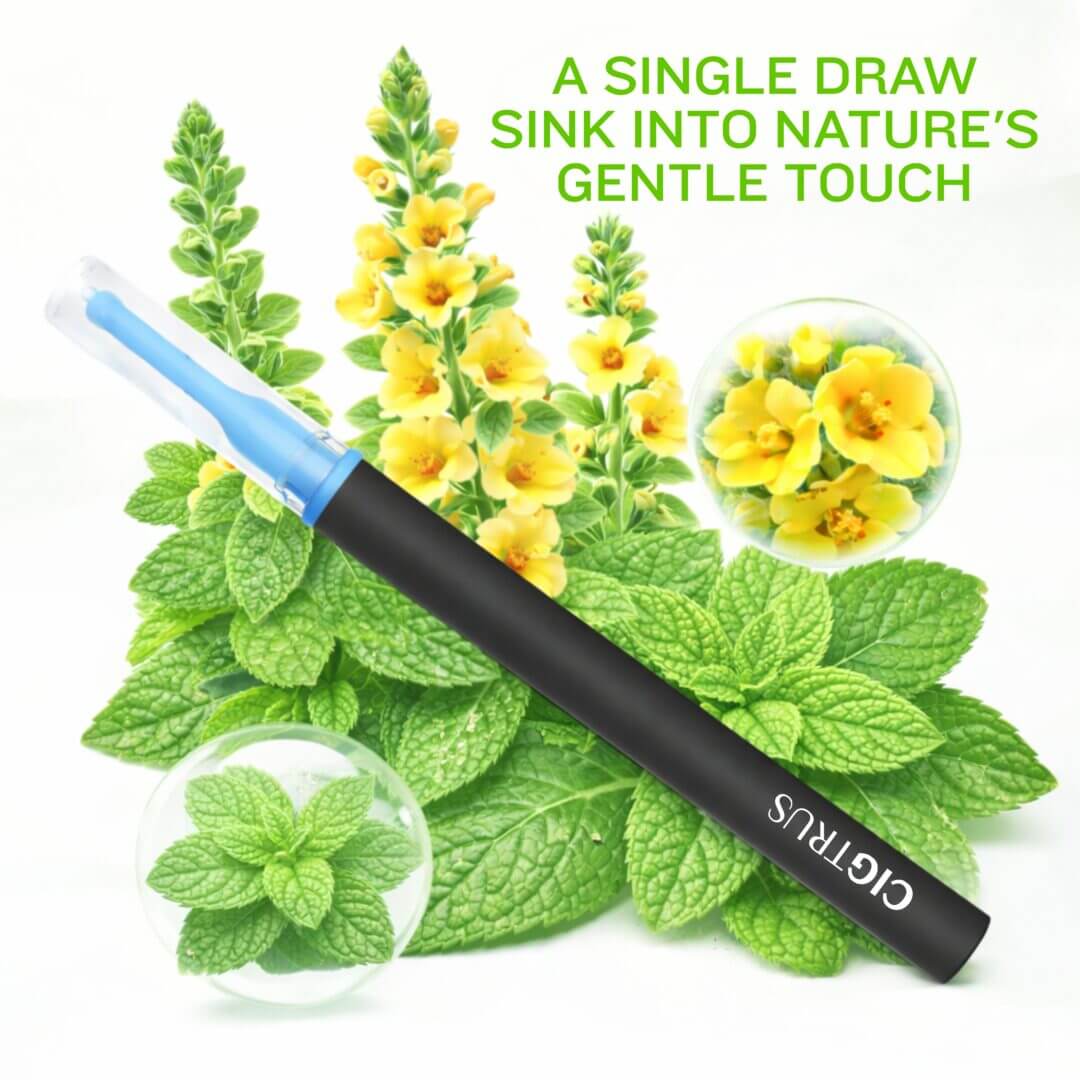
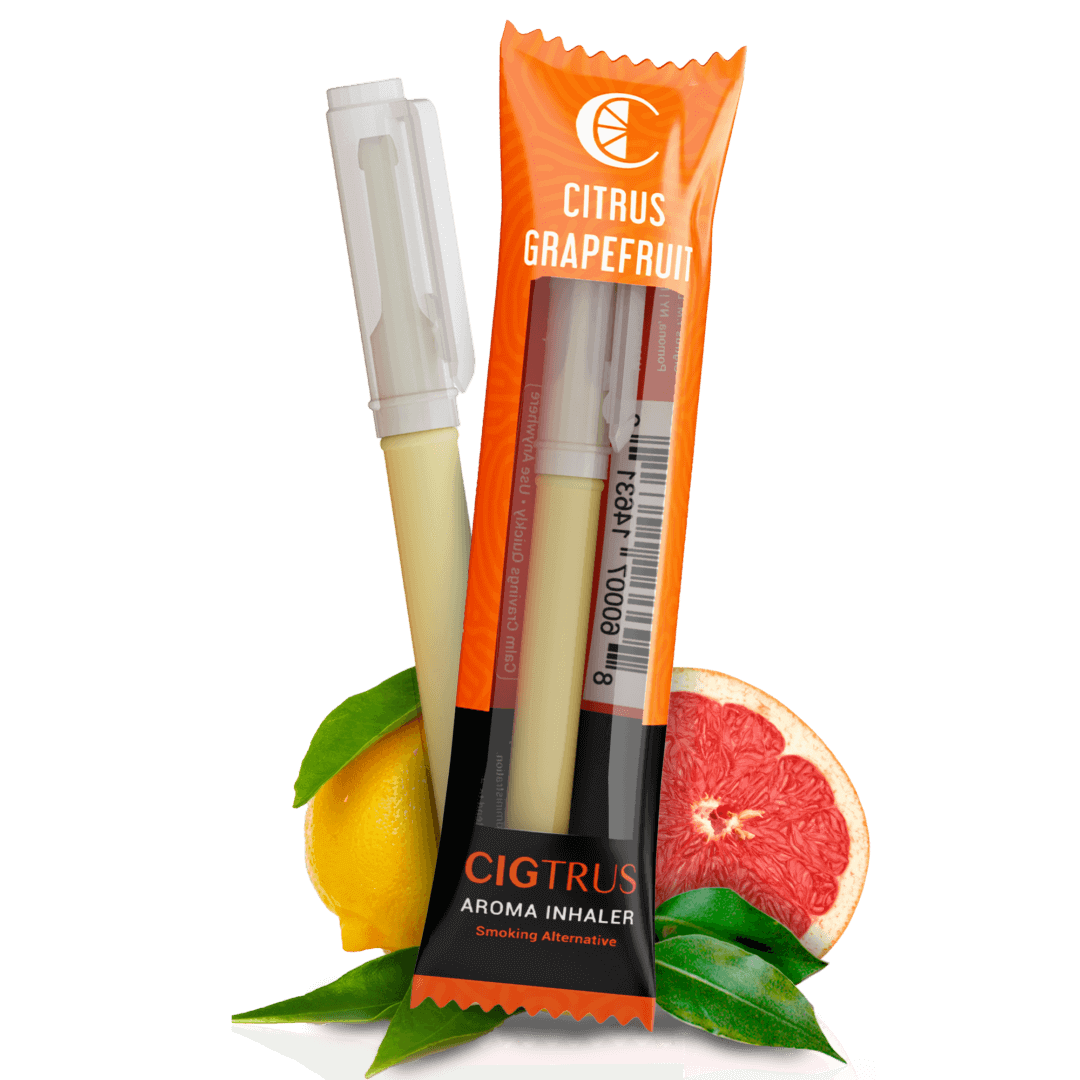
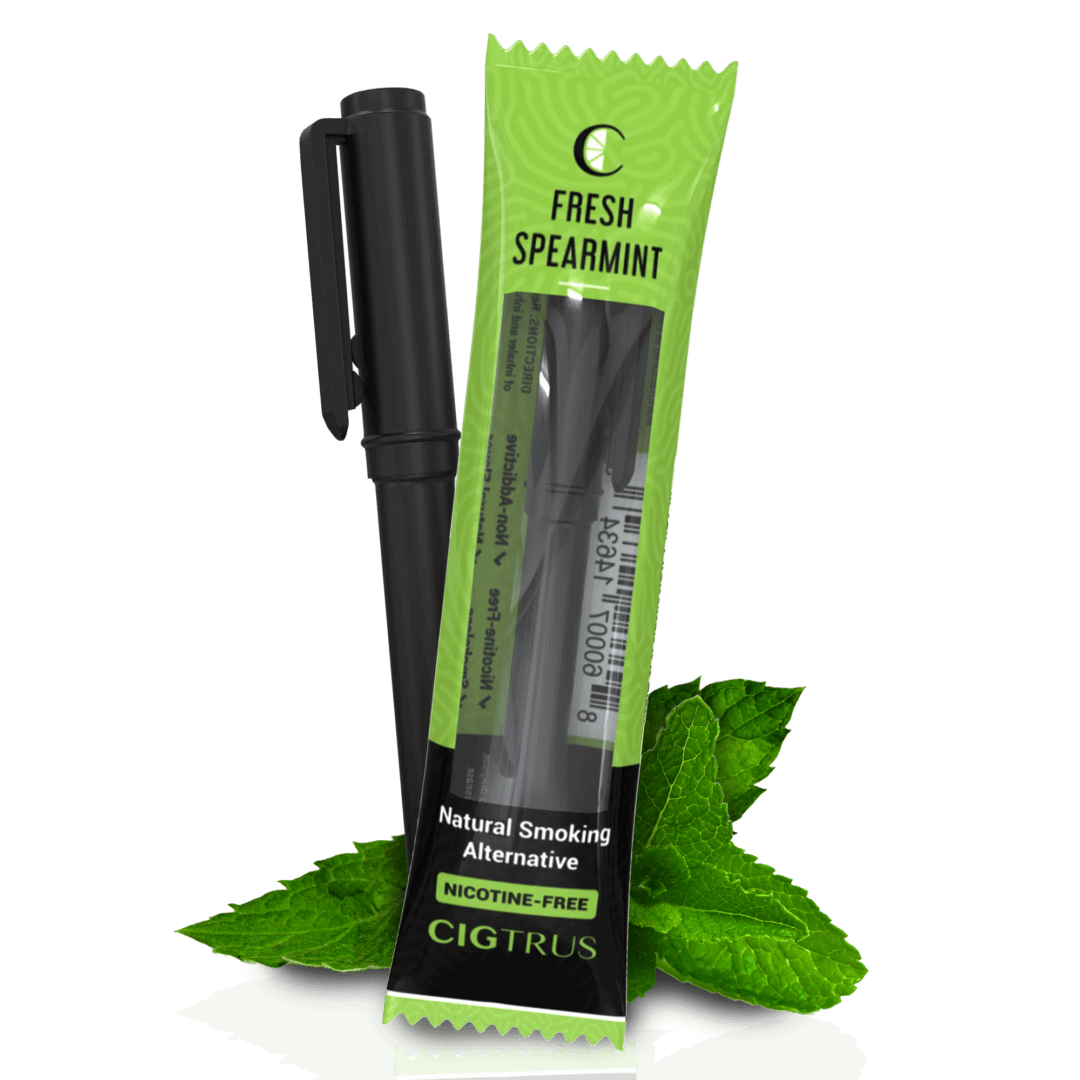
Natural citrus and mint aromas, a refreshing sensory reset that gives the brain a new positive association for the stress moment
Always pocket-ready, no charging, no setup, no preparation, available the instant stress fires
Usable anywhere, at your desk, in meetings, on flights, wherever pressure tends to peak
Over time, every stress moment handled with Cigtrus instead of a cigarette weakens the old association and builds a new one. The trigger still fires, but the response gradually changes.
Frequently Asked Questions
Why does stress make me want to smoke so badly even after quitting?
Because smoking became your brain’s automatic stress response through years of repetition. The nicotine is gone but the behavioral wiring remains, every stressful moment still fires the old reflex. Having a clean behavioral replacement ready is what breaks that pattern over time.
Is Cigtrus a stress or anxiety treatment?
No. Cigtrus is a nicotine-free behavioral habit replacement inhaler, not a medical treatment for anxiety or stress. It is designed to replace the hand-to-mouth smoking habit at trigger moments, including stress-triggered cravings during the quitting process.
What is the best thing to do in a stressful moment when you want to smoke?
Have a clean behavioral replacement ready, something the hands and mouth recognize as familiar. Combine that with a deliberate slow breath and a moment of recognizing the trigger for what it is: a behavioral reflex, not a nicotine need.
How long does it take for stress-triggered smoking cravings to weaken?
With consistent behavioral replacement at every stress trigger, cravings typically weaken noticeably over weeks to months. The key is consistency, every stress moment handled without a cigarette weakens the old wiring.
Every Stressful Moment Is a Chance to Rewire
Stress will always be part of life. The goal is not to eliminate it, the goal is to change how the body responds to it. Every stressful moment handled with a clean behavioral alternative instead of a cigarette is progress. Over time, those moments add up, and the old reflex gradually loses its grip.
Be Ready When Stress Triggers Strike.
Nicotine-free, smoke-free, and pocket-ready for every stressful moment on your quit journey.
👉 Try the Variety Pack