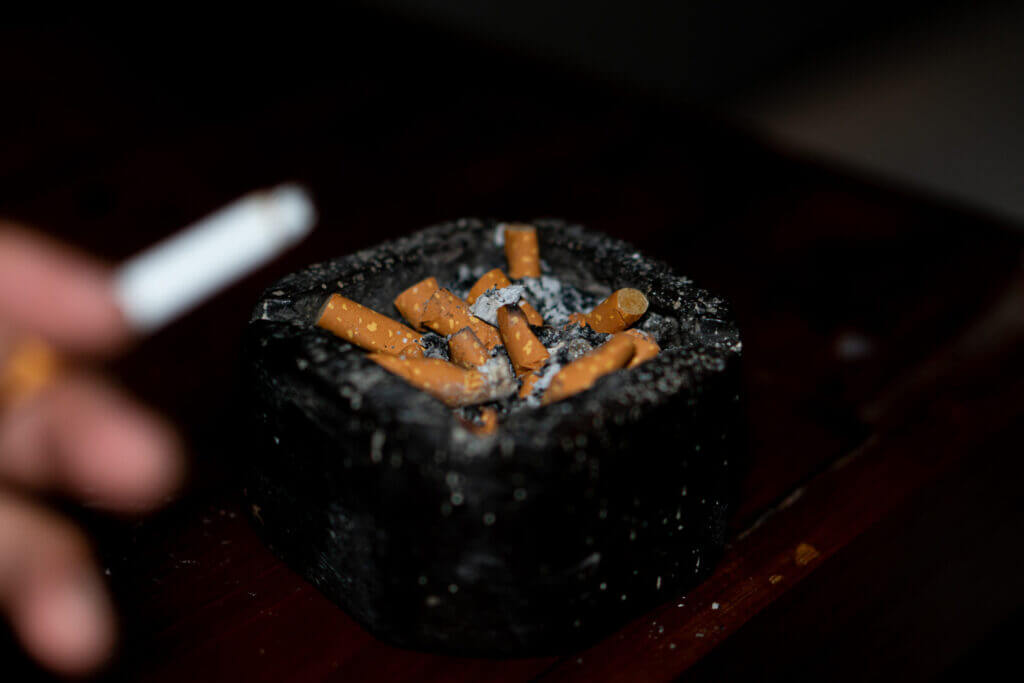
Ditch the Smoke, Keep the Ritual
The goal for many smokers is not to become a different person, it is to keep what they love about their smoking ritual while removing what harms them. The pause. The breath. The familiar motion. All of that can stay. The smoke does not have to.
Many smokers today are exploring healthier routines that move beyond traditional smoking habits while preserving the behavioral familiarity that made those habits so deeply wired in the first place. Work environments, indoor spaces, travel, commuting, stress, and everyday routines all make smoking difficult, but the need for the ritual does not disappear just because the cigarette does.
Why Smoking Habits Become Part of Everyday Life
Over time, smoking habits become connected to specific moments and emotions through years of repetition. The ritual becomes the comfort, not just the nicotine.
Morning Coffee
Paired so many times the brain simply expects both. The ritual belongs to the moment, not just the substance.
Work Breaks
The cigarette gave the break its shape and purpose. Without it, the pause feels incomplete and unearned.
Stress and Pressure
The ritual provided a reset, the exhale, the moment of pause, the return to calm. That is what the brain misses most.
Driving
The commute and the cigarette became one routine. The hands still reach automatically at every red light and long stretch of road.
Boredom
Idle hands needed something to do. The cigarette was always the answer, and that automatic response is still wired in.
End of Day
The evening cigarette marked the transition from work to rest. Without it, the wind-down feels like something is missing.
As these repeated routines continue over years, many adults associate comfort and familiarity with the physical smoking ritual itself, not just the nicotine. That is why many smokers continue struggling even after reducing their intake.
Why More Smokers Are Exploring Smoke-Free Habits
Many adults searching for healthier alternatives are not necessarily trying to quit the ritual entirely. They are looking for routines that preserve the familiar without the harm, smoke-free, vapor-free, portable, non-electric, lightweight, and easier to use indoors.
In many situations, smokers are not necessarily trying to quit completely. Instead, they may be searching for healthier smoke-free routines during work, travel, commuting, indoor environments, or moments where smoking may not be possible.
“You do not have to give up the pause, the breath, or the moment that belonged to the cigarette. You just have to give up the smoke. Keeping the ritual, just cleaner, is what makes the transition feel sustainable instead of like constant deprivation.”
Building Healthier Smoke-Free Habits, Step by Step
Adults trying to reduce smoking often discover that replacing the ritual itself feels just as important as reducing nicotine. Here is how to build smoke-free habits that preserve what matters most about the routine.
Replace the Motion, Not Just the Substance
Give the hands and mouth a clean alternative at every trigger moment. The hand-to-mouth motion is deeply wired, it needs somewhere to go, not just a void to resist.
Keep the Pause, Just Clean It Up
The break, the breath, the moment of stepping away, all of that can remain. What changes is what you hold and what you inhale during it.
Rebuild Trigger Moments With New Associations
The morning coffee, the work break, the commute, each one needs a new behavioral response that gradually replaces the old automatic one through consistent repetition.
Use Consistency to Build the New Habit
Every repeated smoke-free response weakens the old wiring. Over time, the new ritual becomes as natural as the old one, the trigger fires and the clean alternative reaches automatically.
How Cigtrus Supports Smoke-Free Behavioral Routines
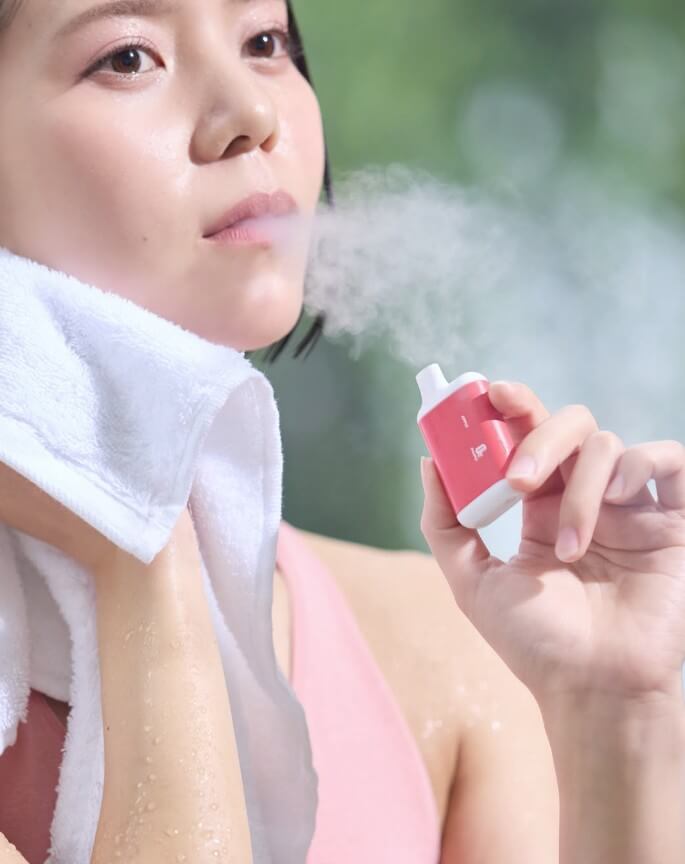
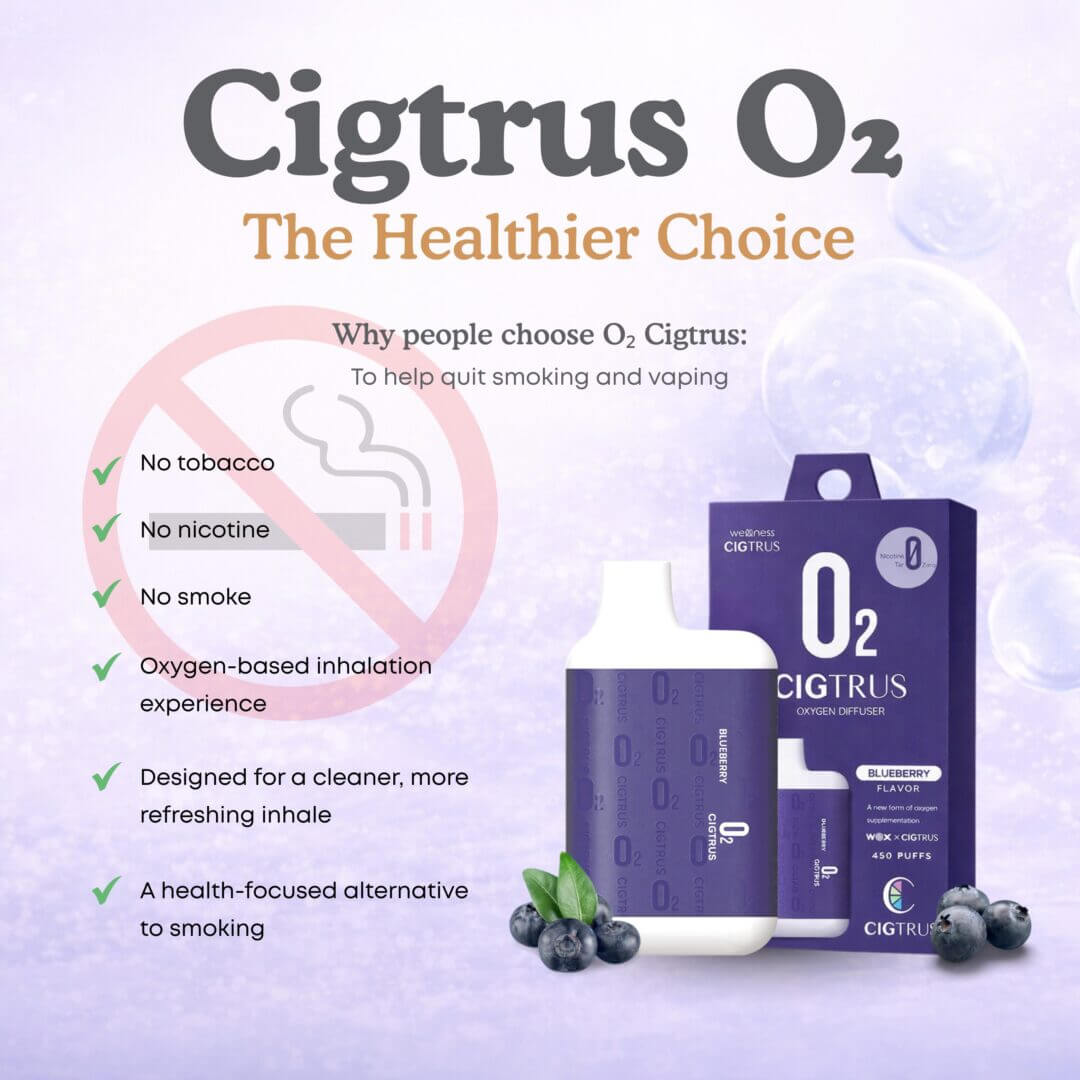
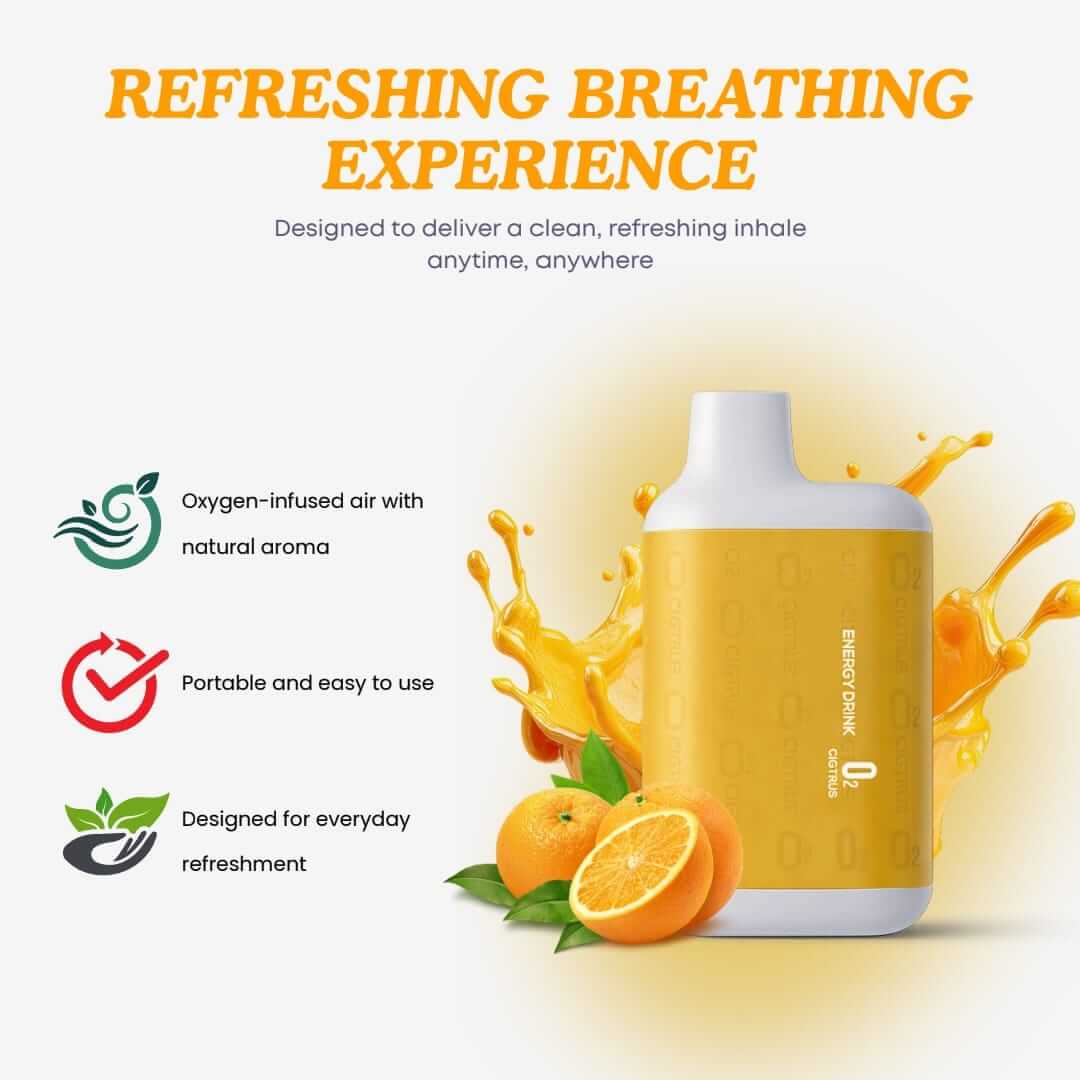
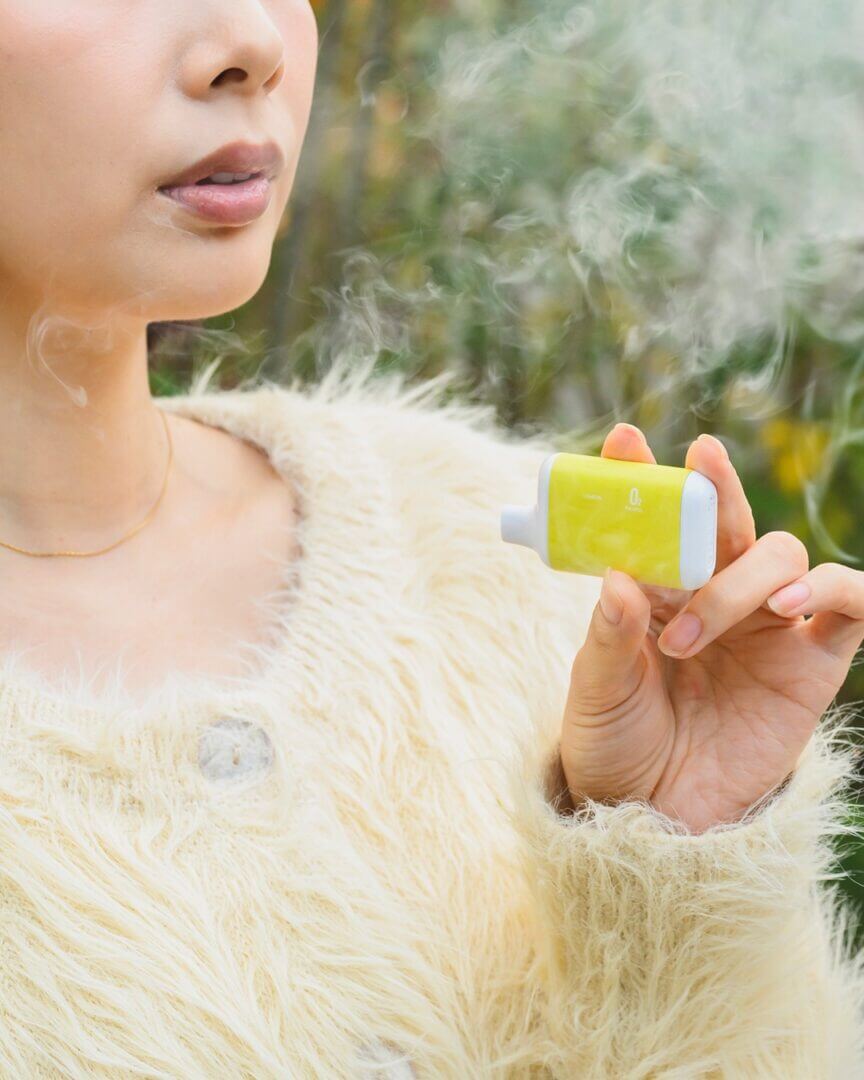
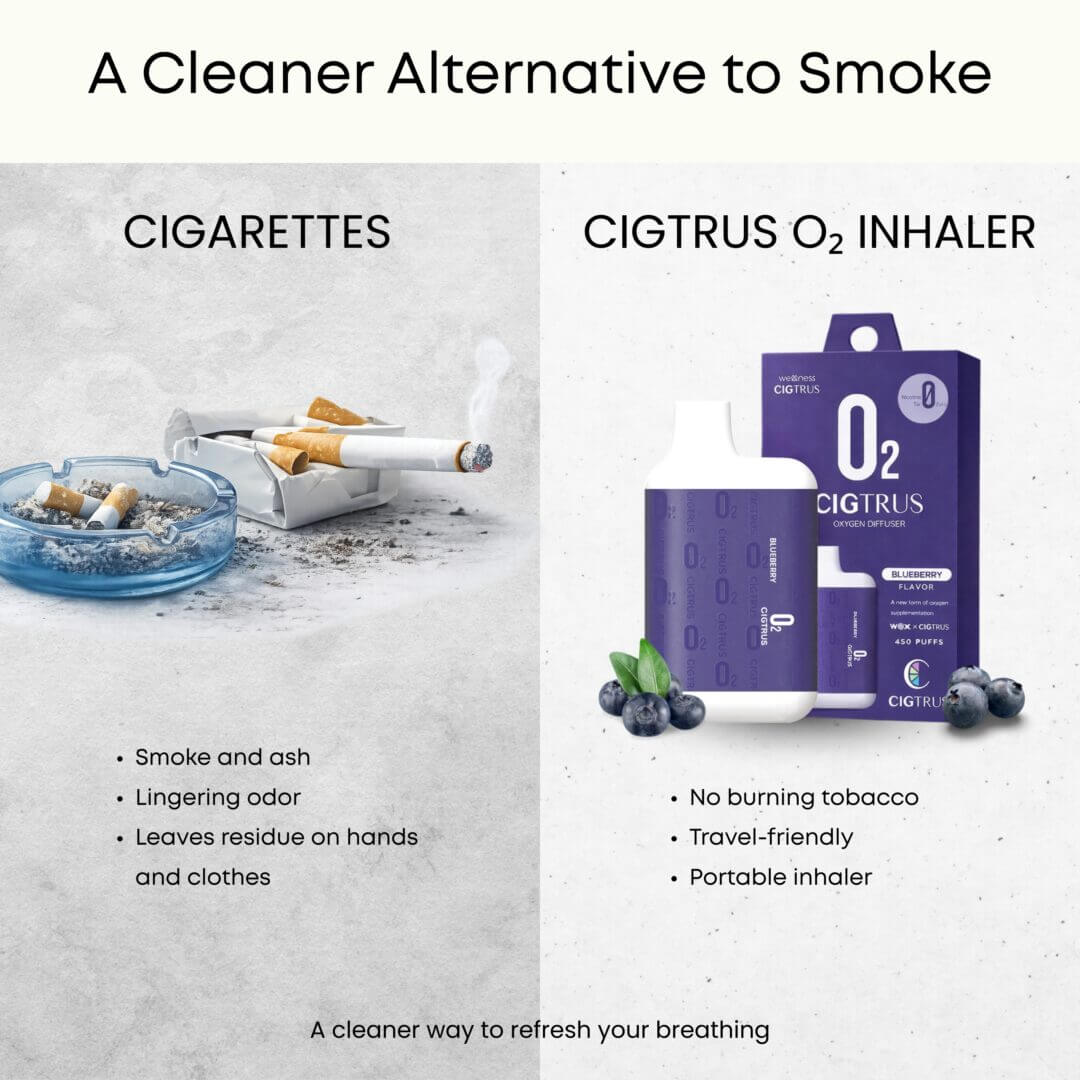
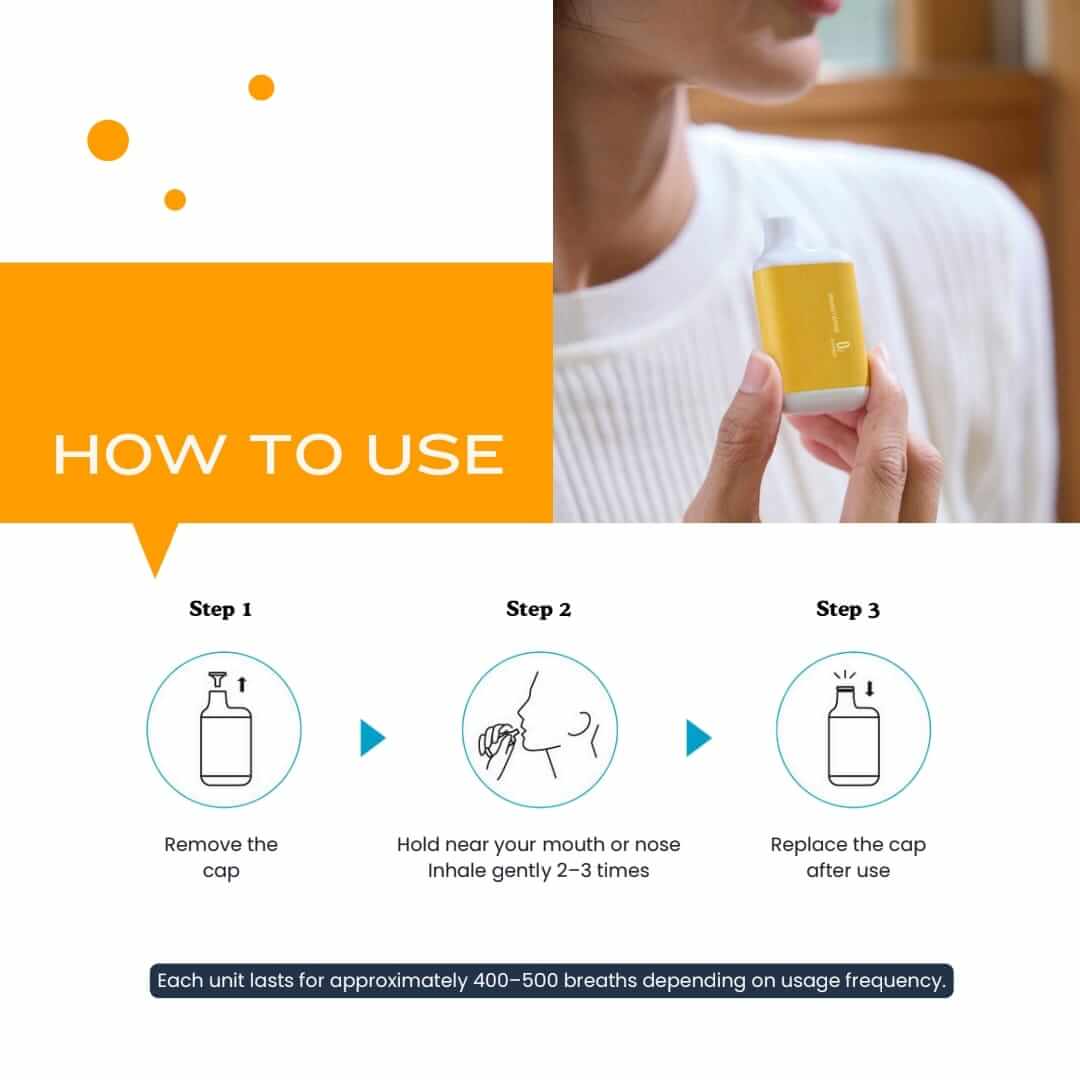
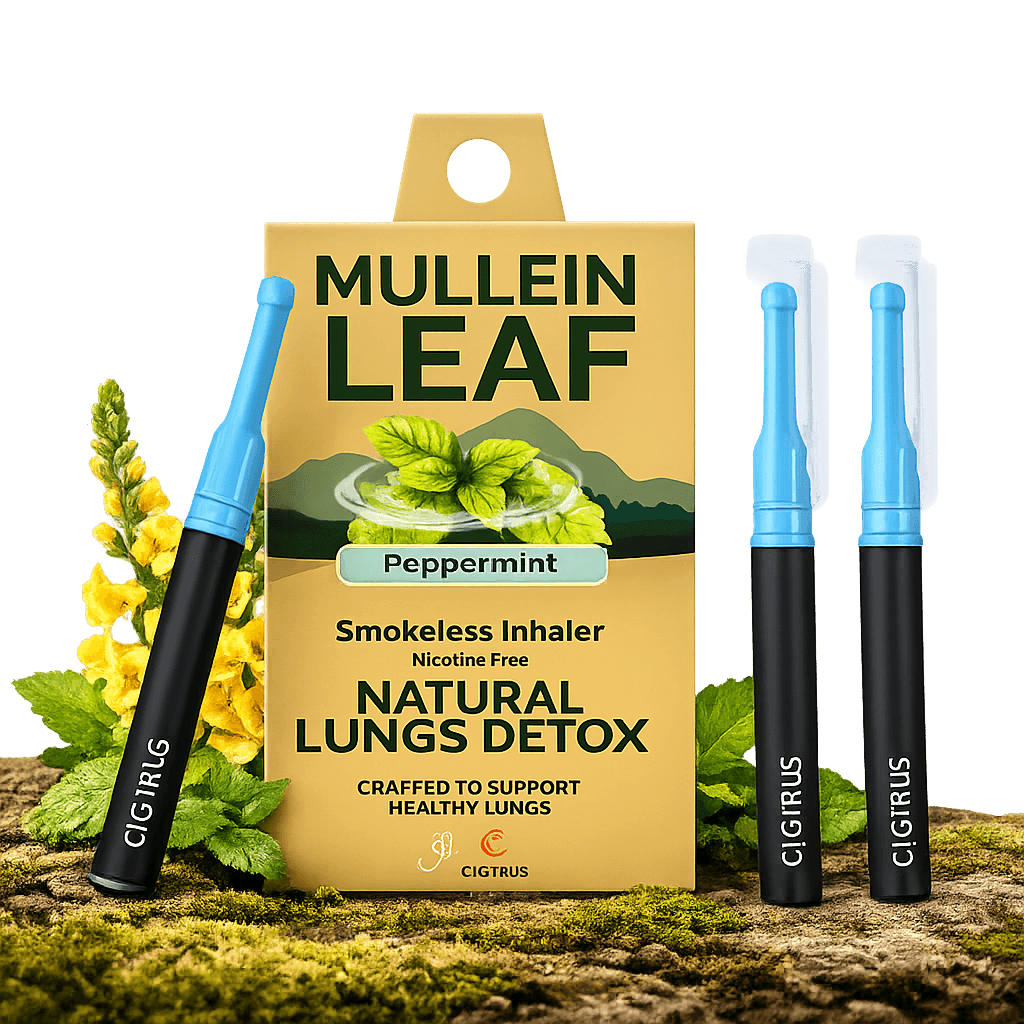
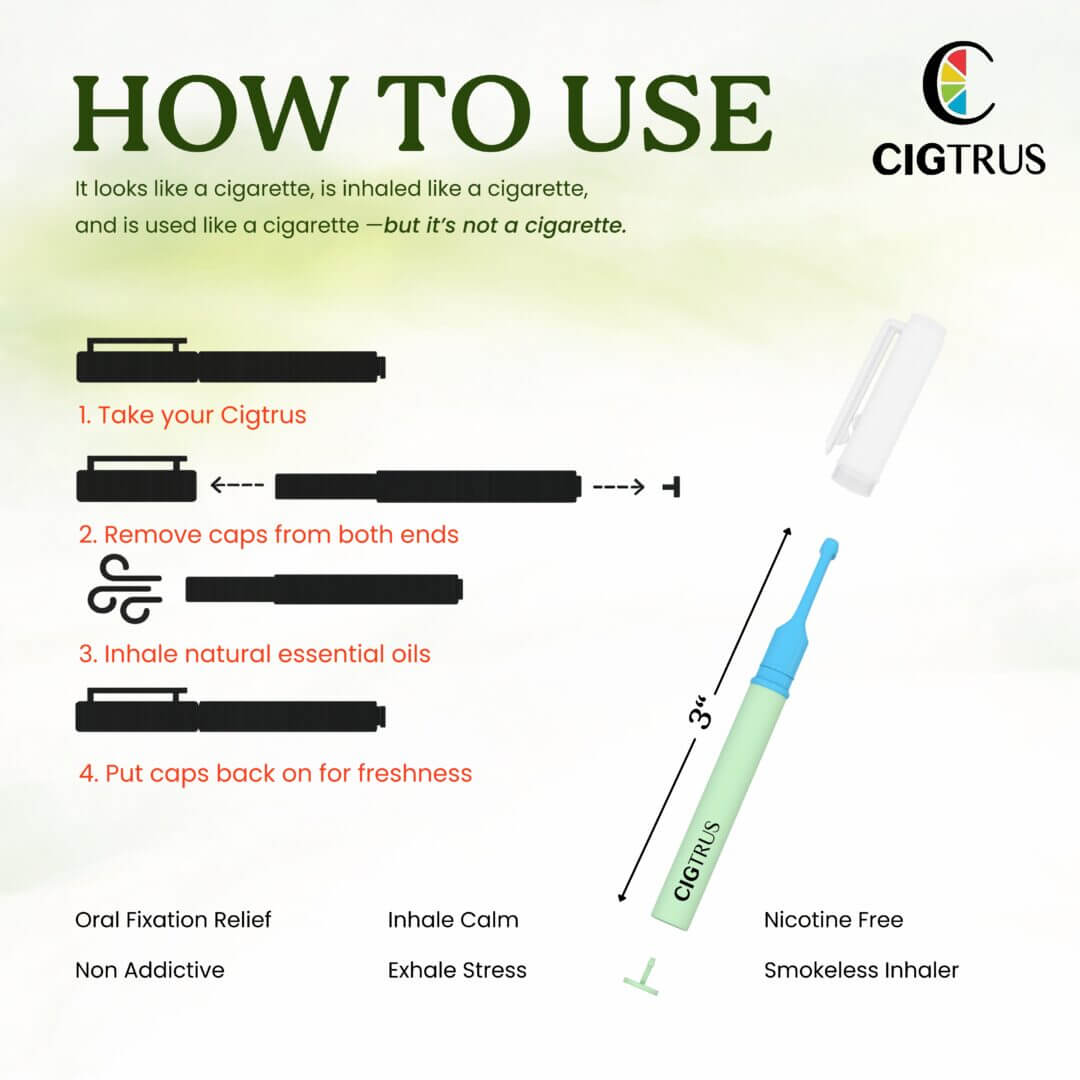
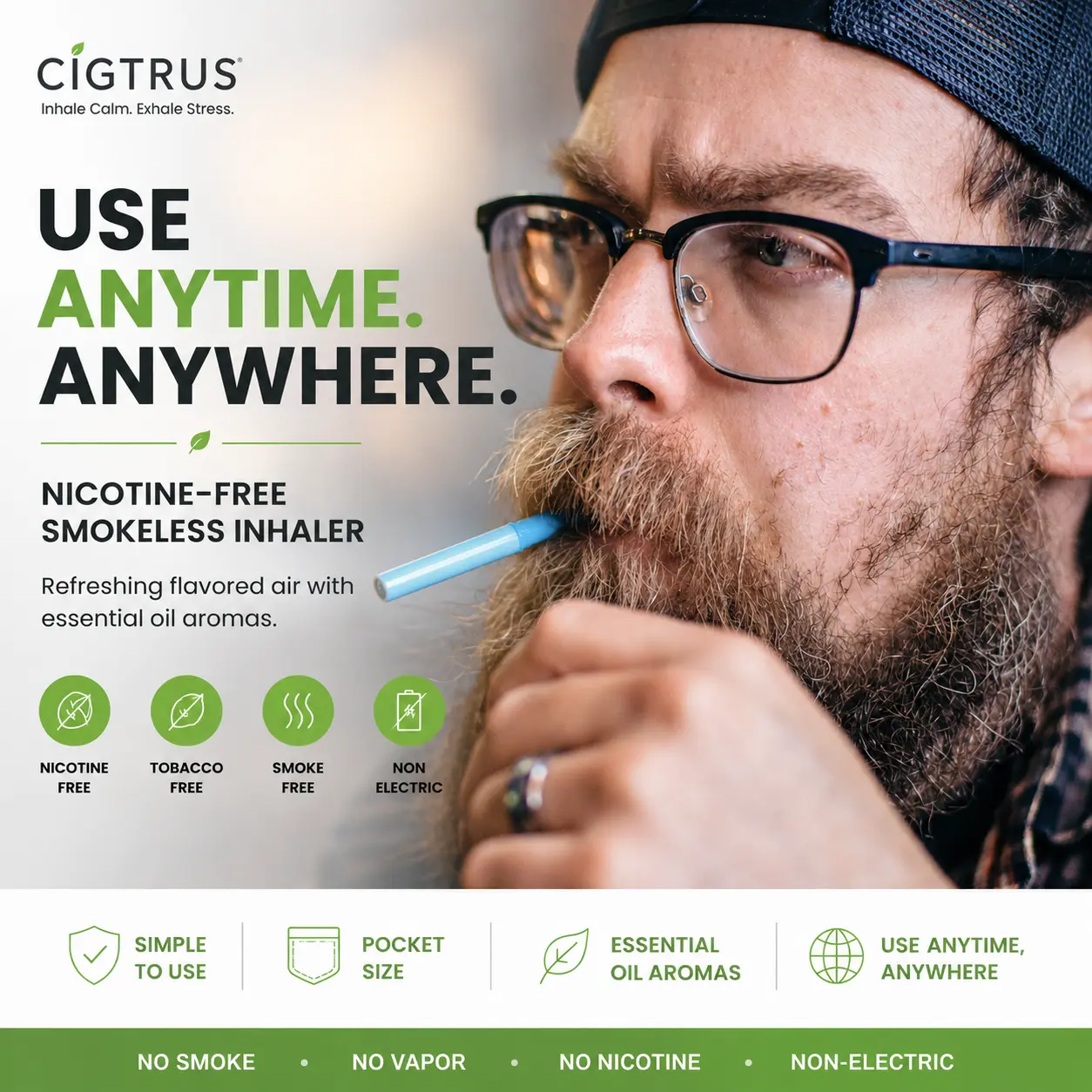
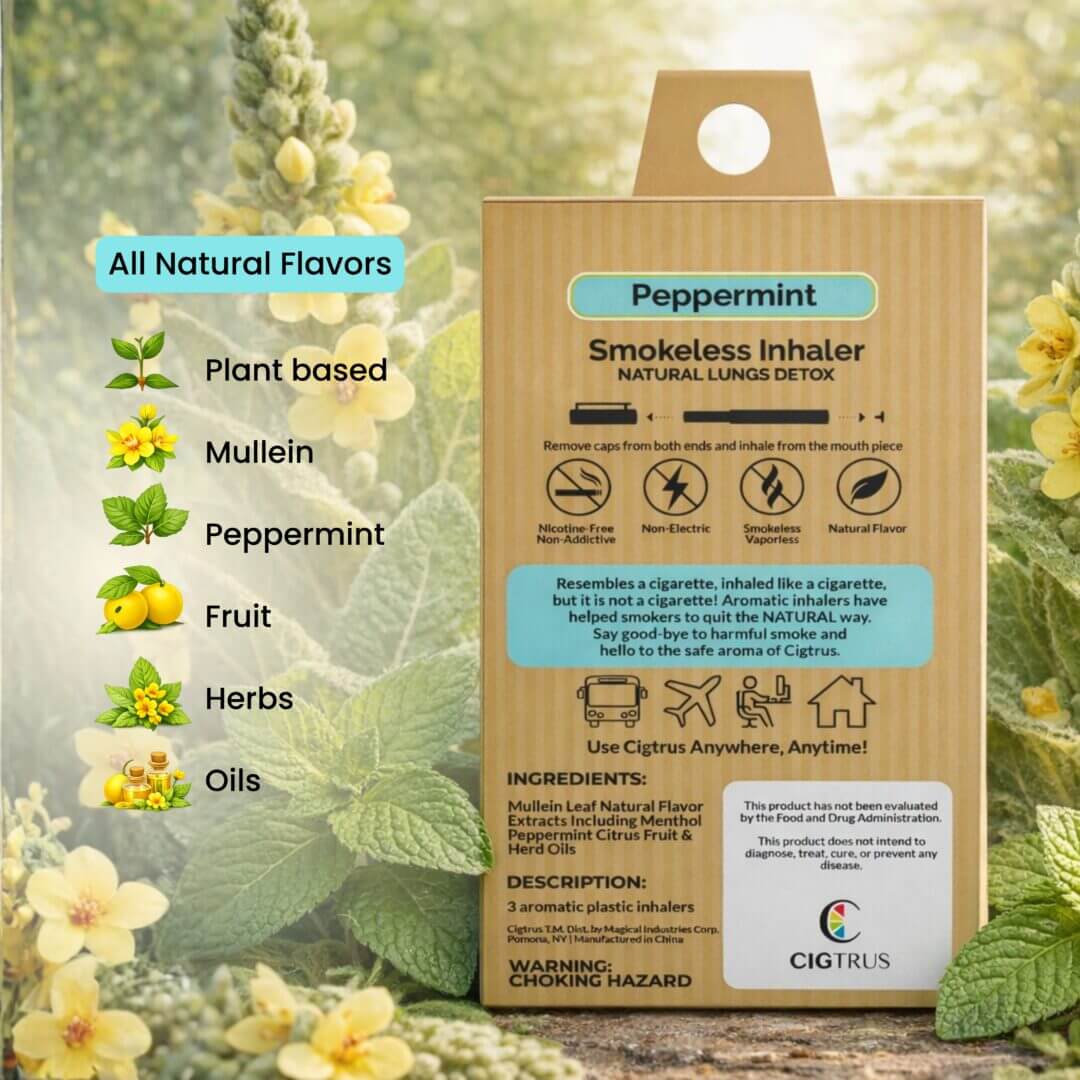
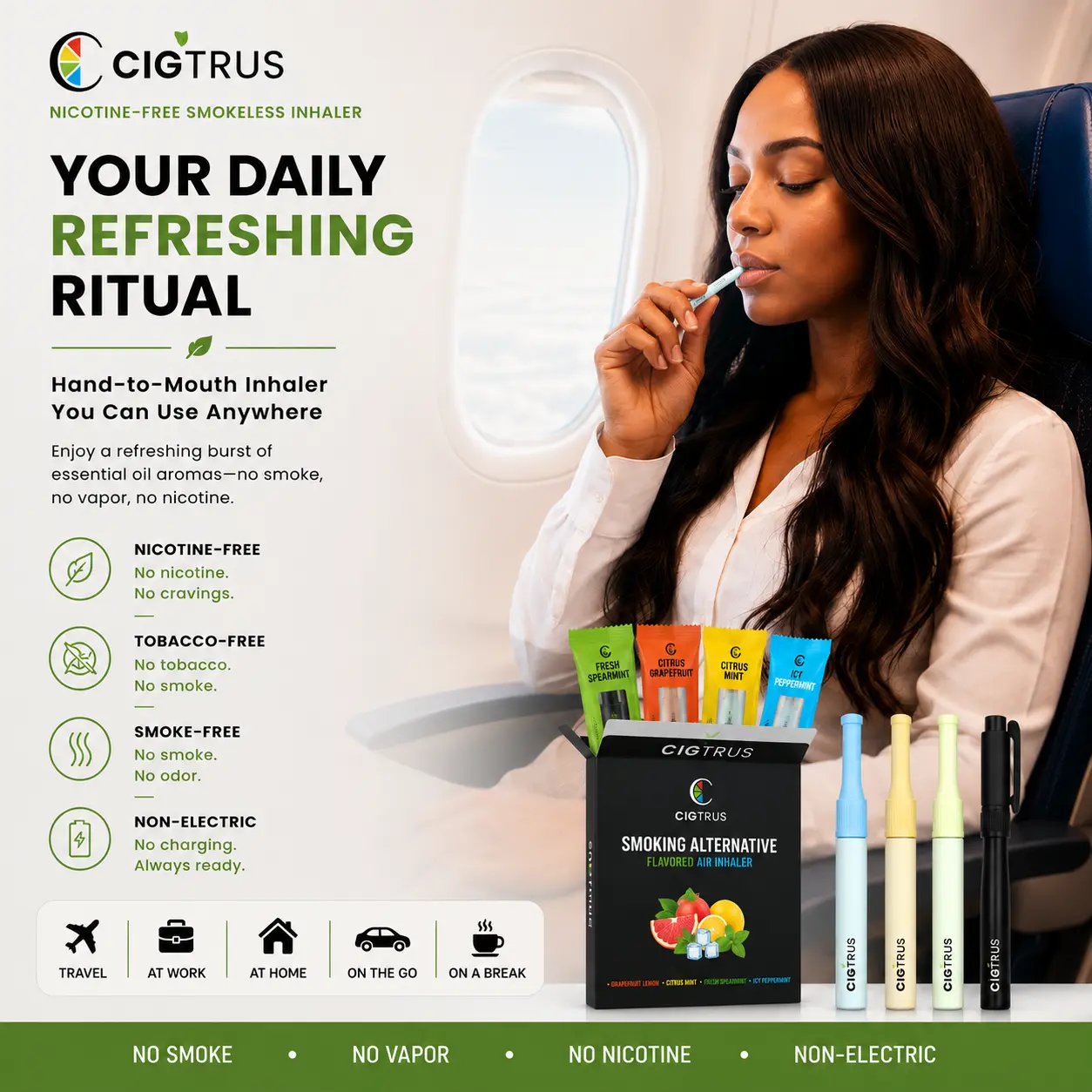
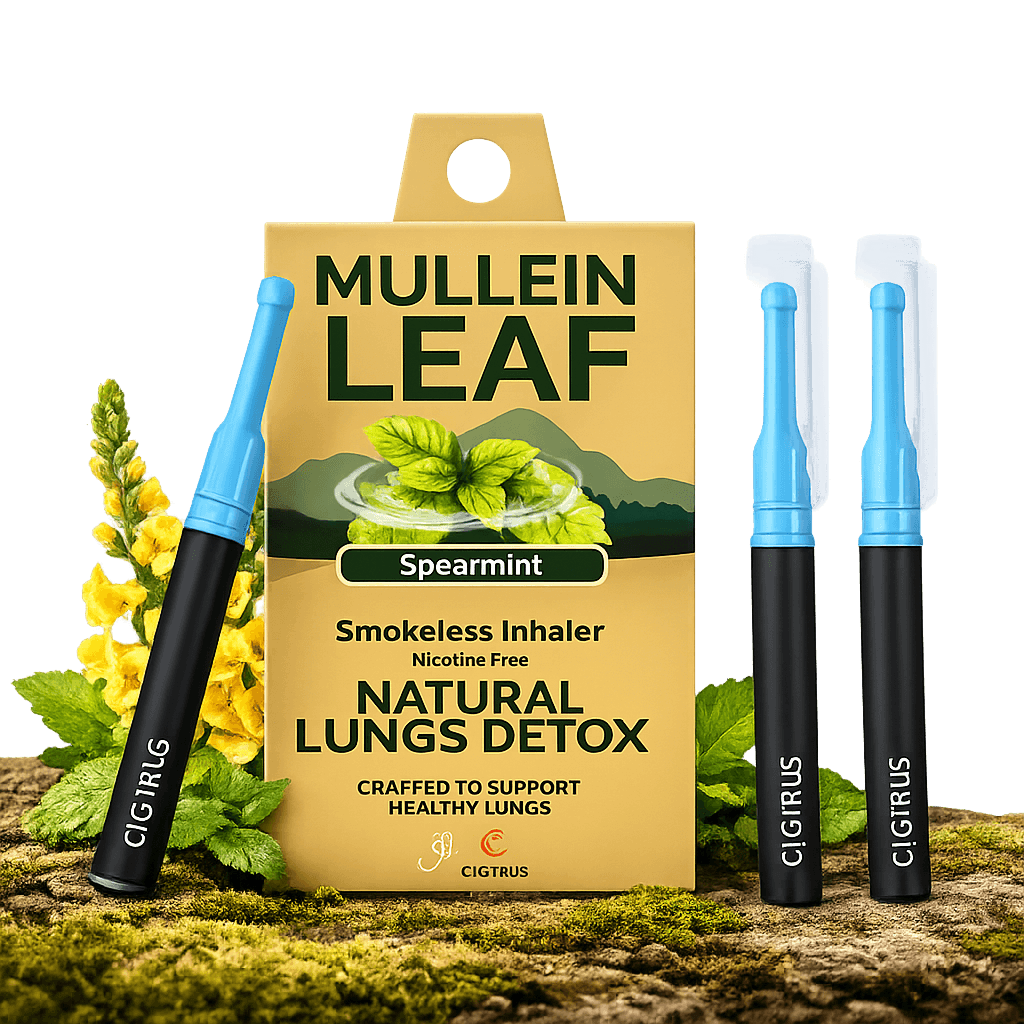
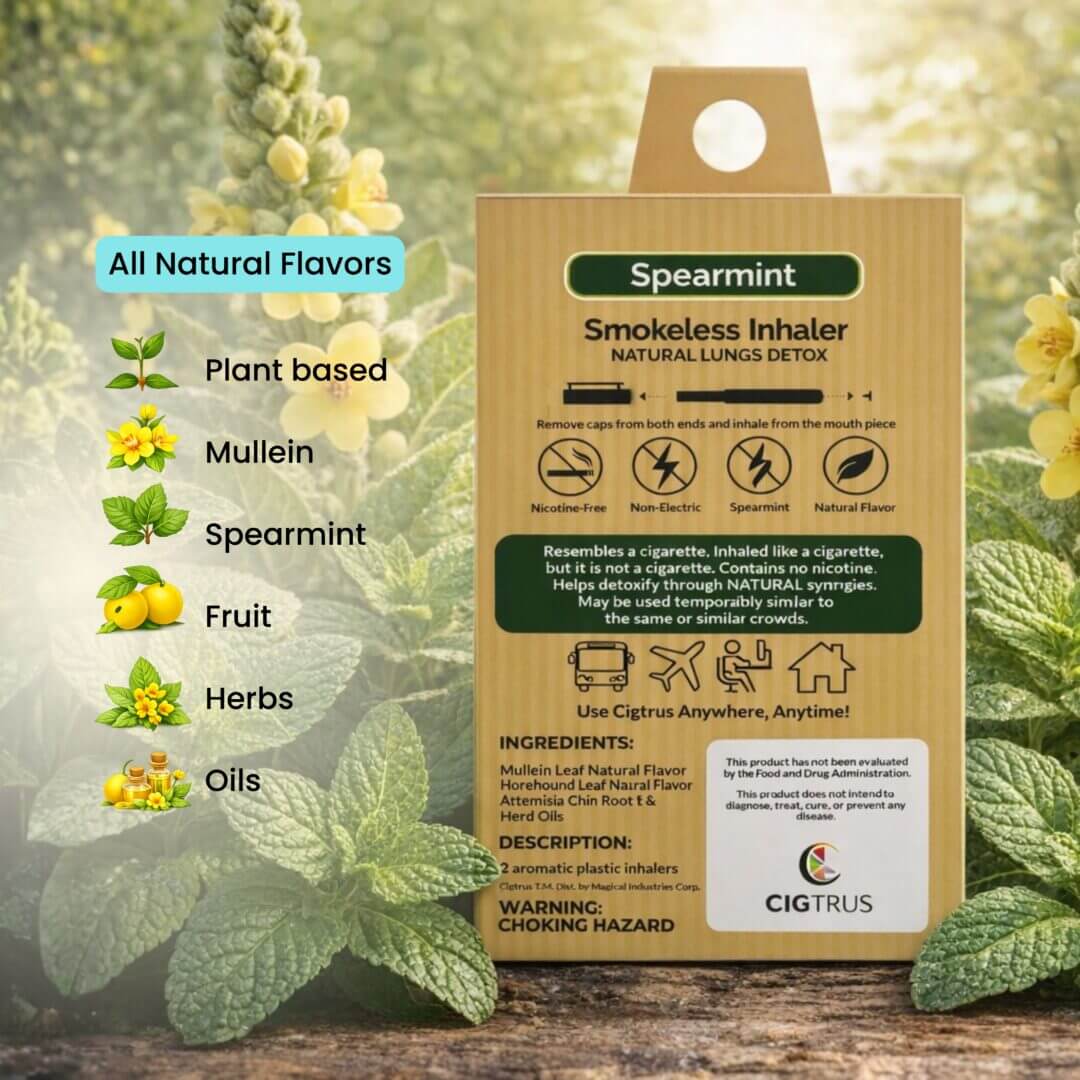
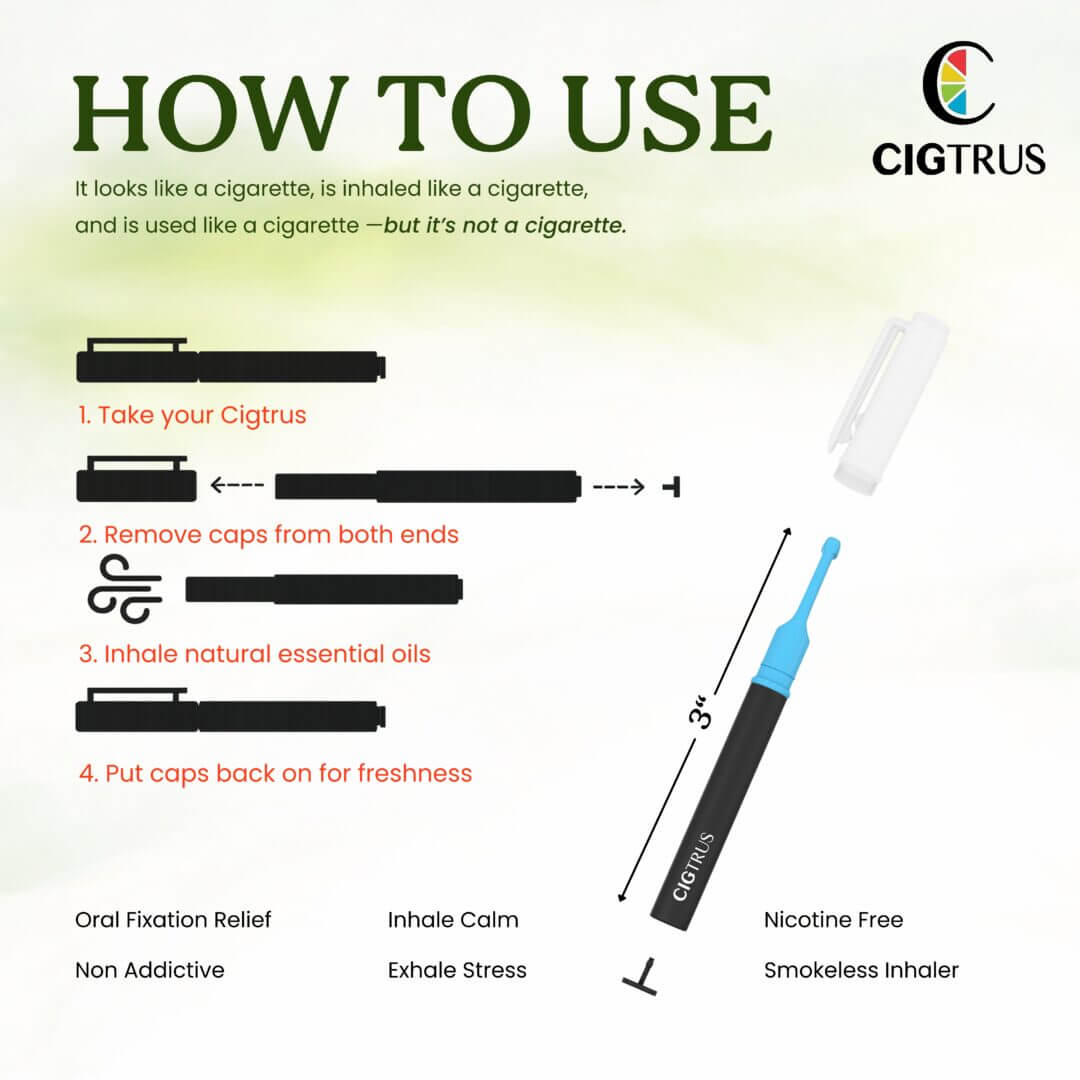
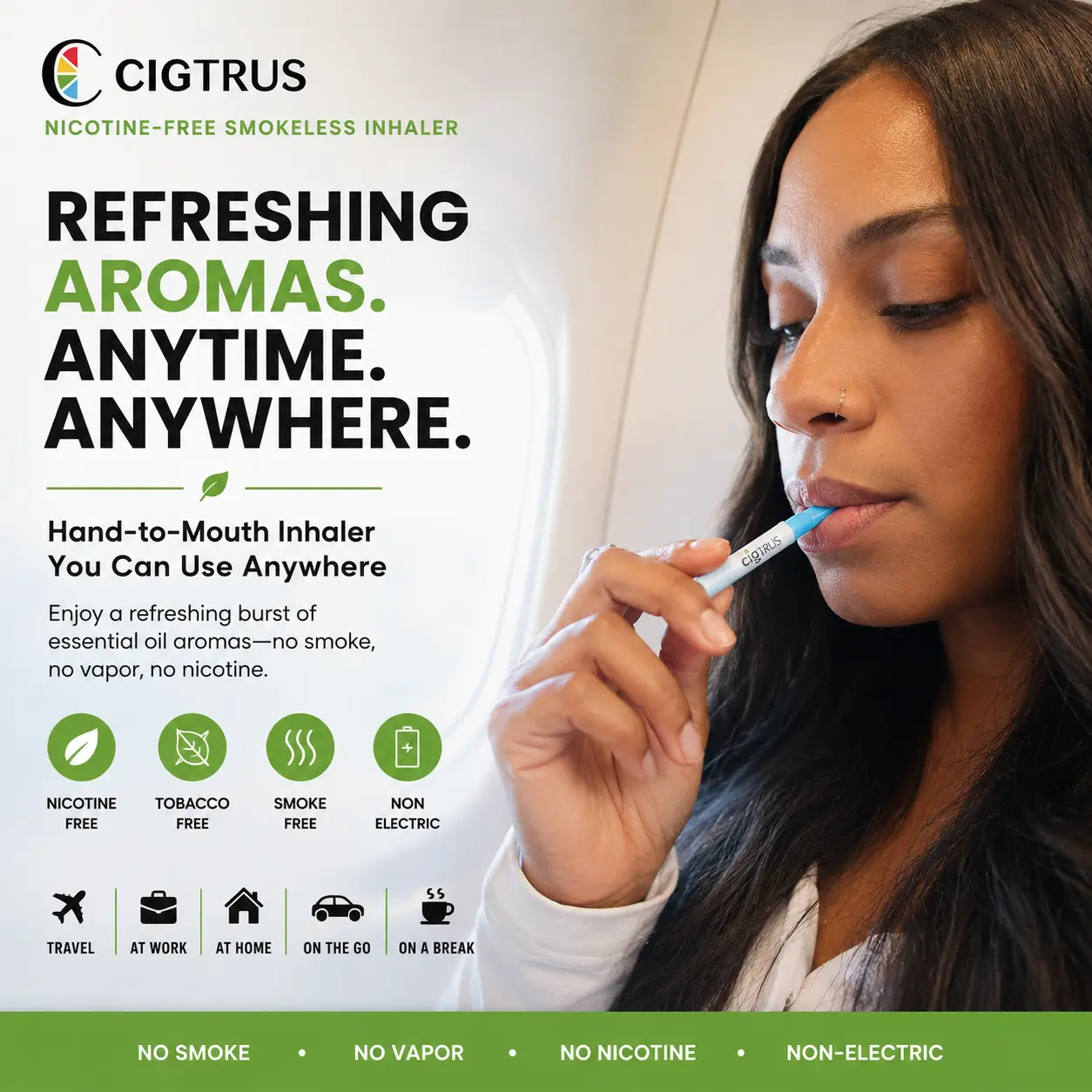
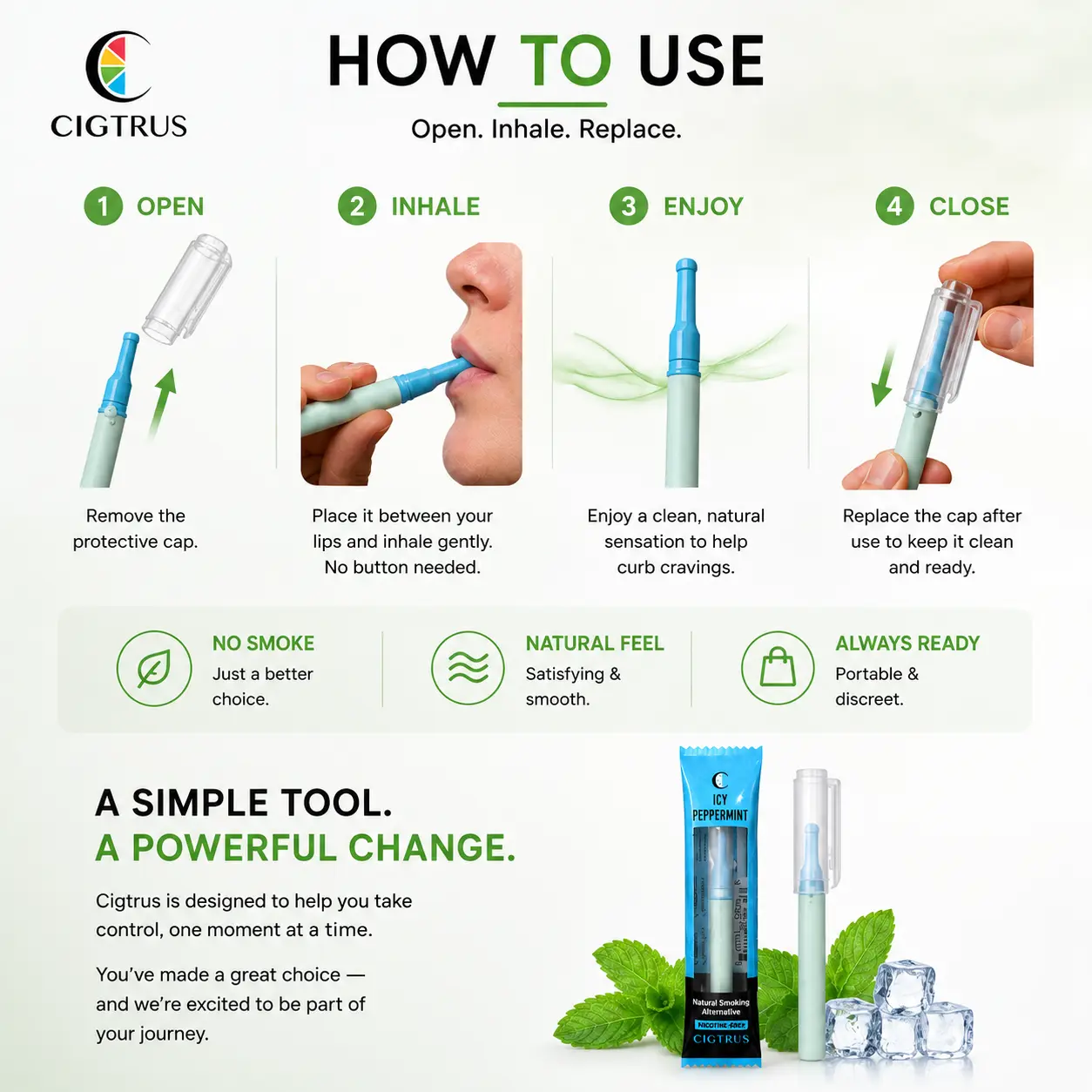
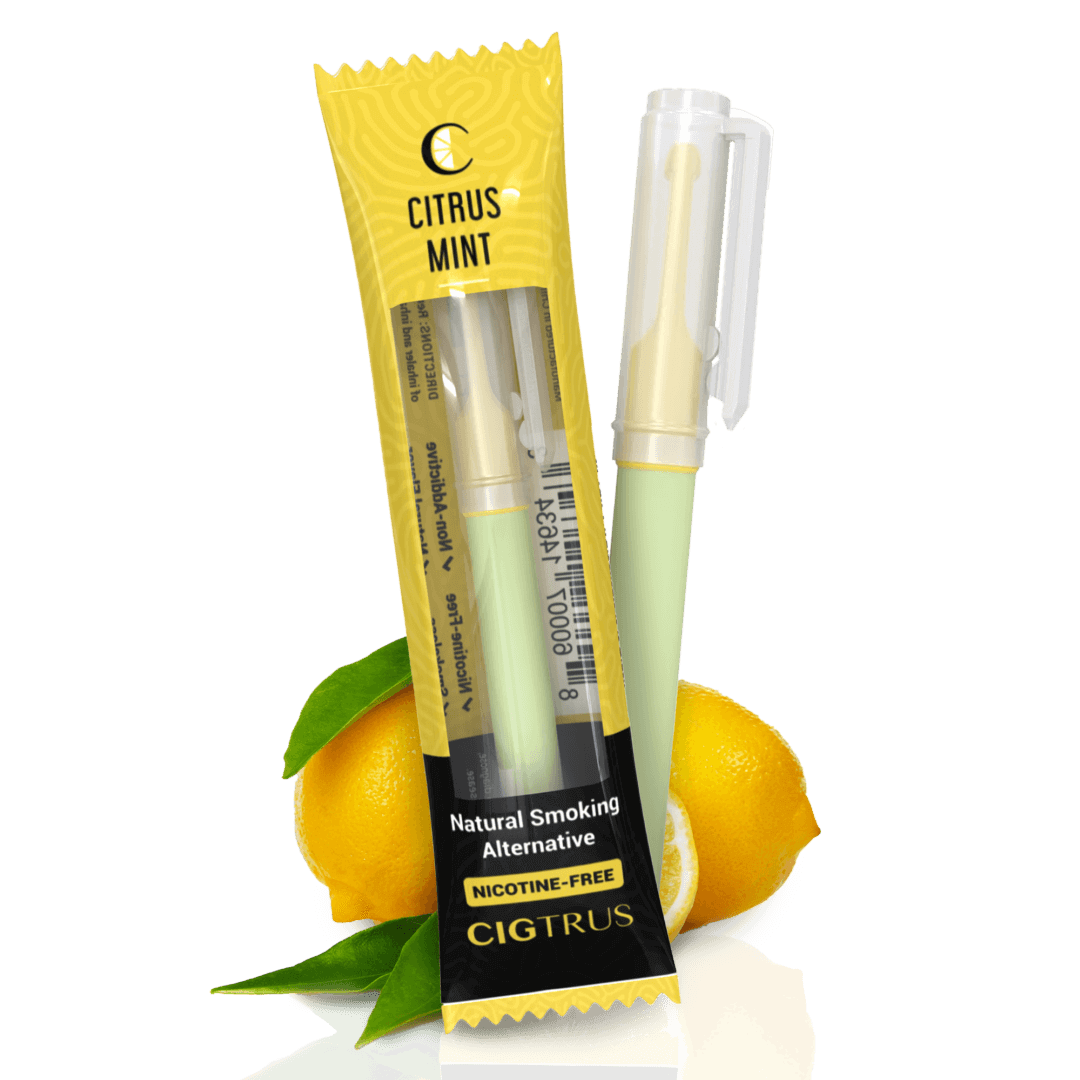
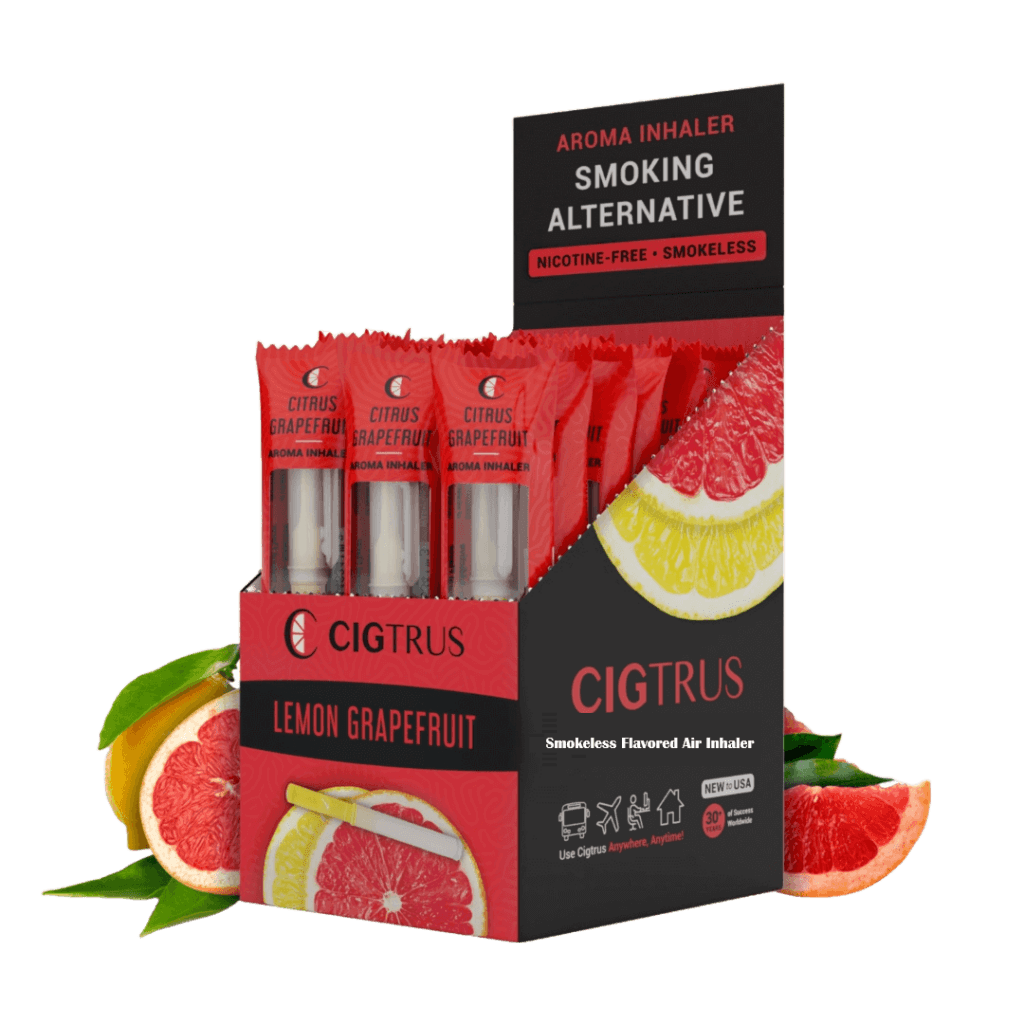
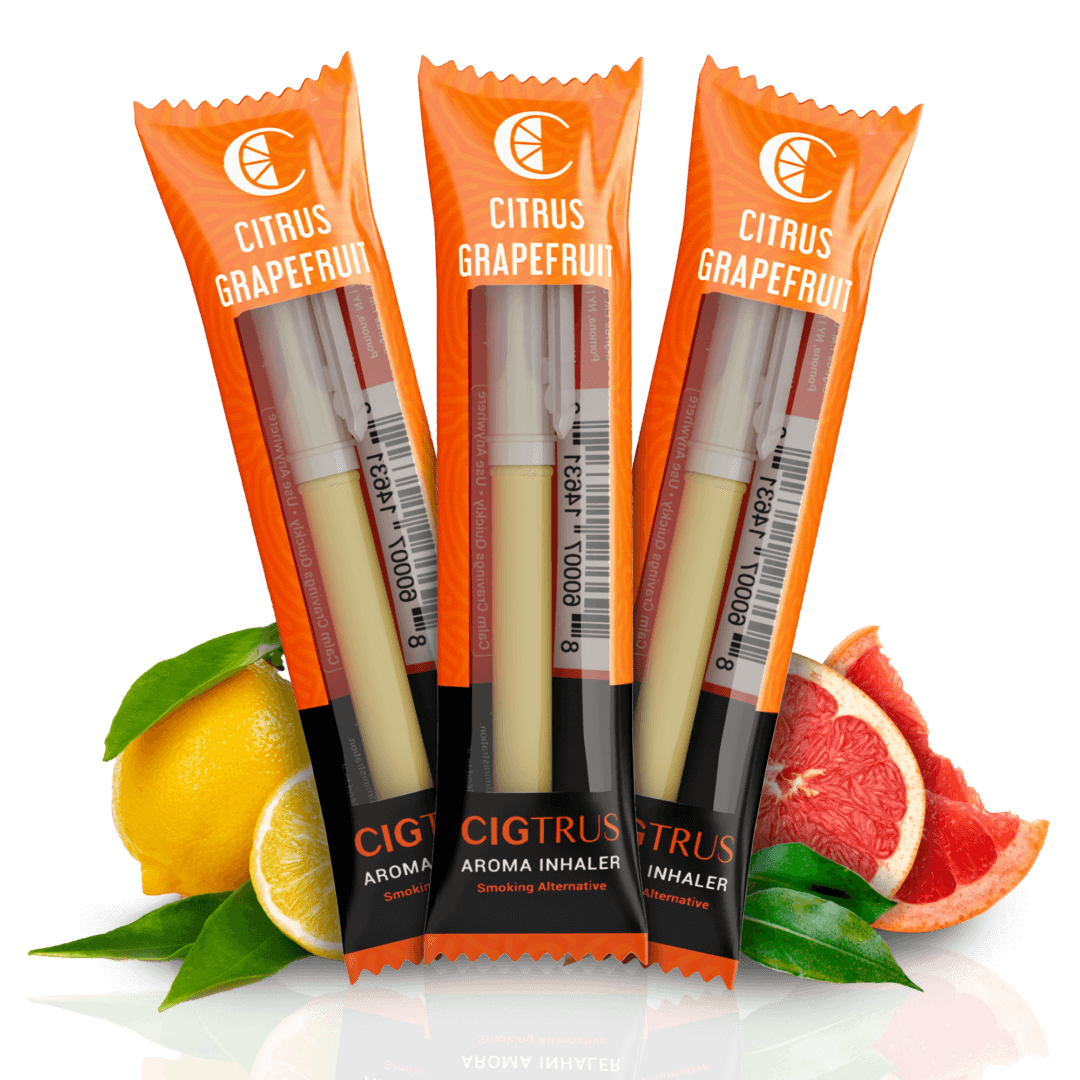
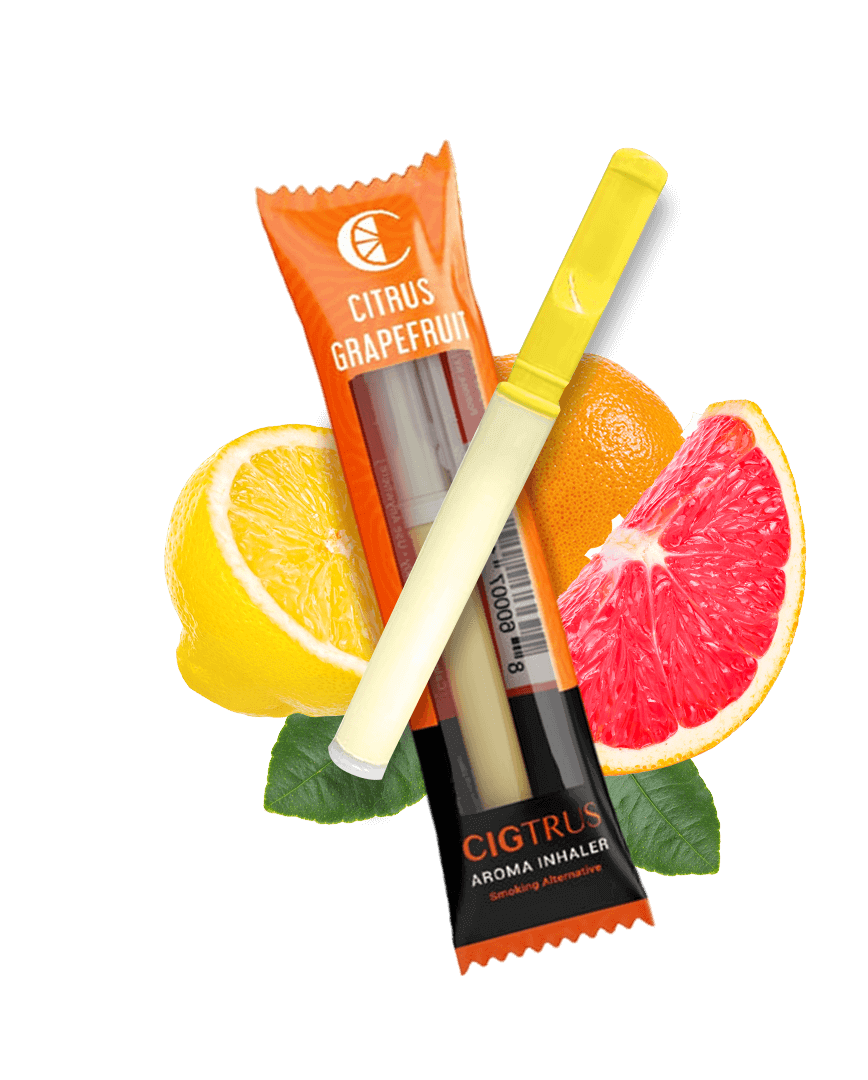
Cigtrus is a nicotine-free, smokeless, non-electric inhaler designed around supporting the familiar ritual without the smoke. Instead of focusing on smoke, vapor, or nicotine delivery, Cigtrus helps adults maintain familiar behavioral routines, wherever they are, whenever the trigger fires.
What Cigtrus Keeps. What It Removes.
Keeps: the hand-to-mouth motion, the familiar reach at every trigger
Keeps: the inhale and exhale rhythm, the breath that marked every pause
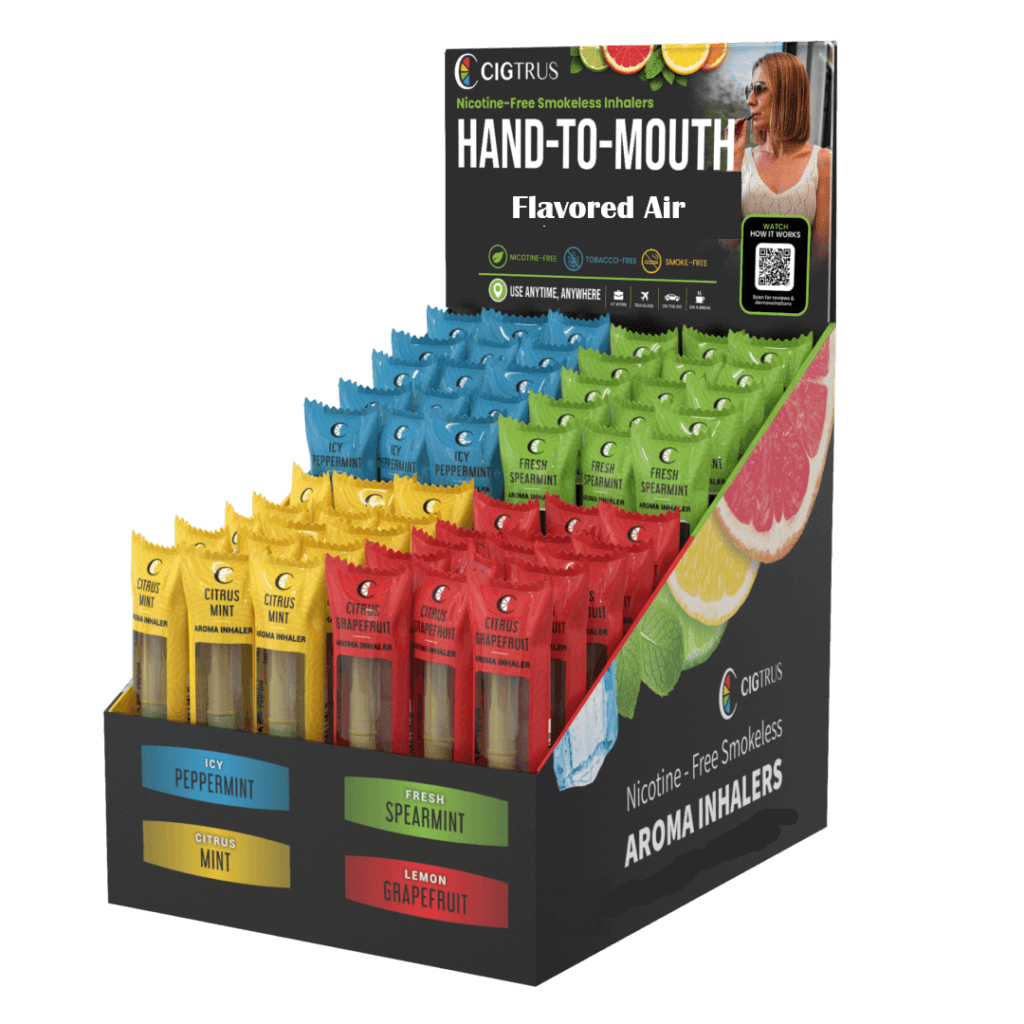
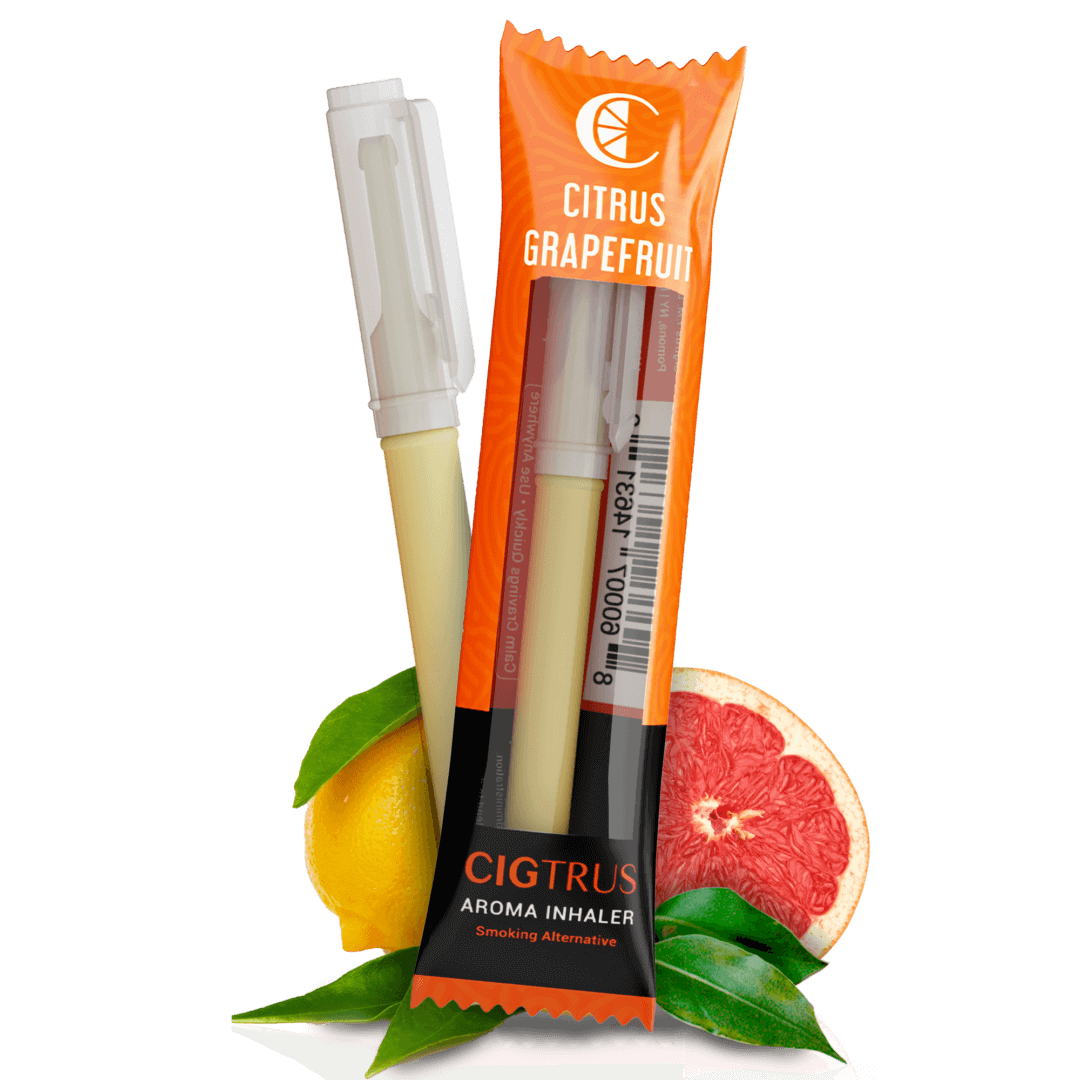
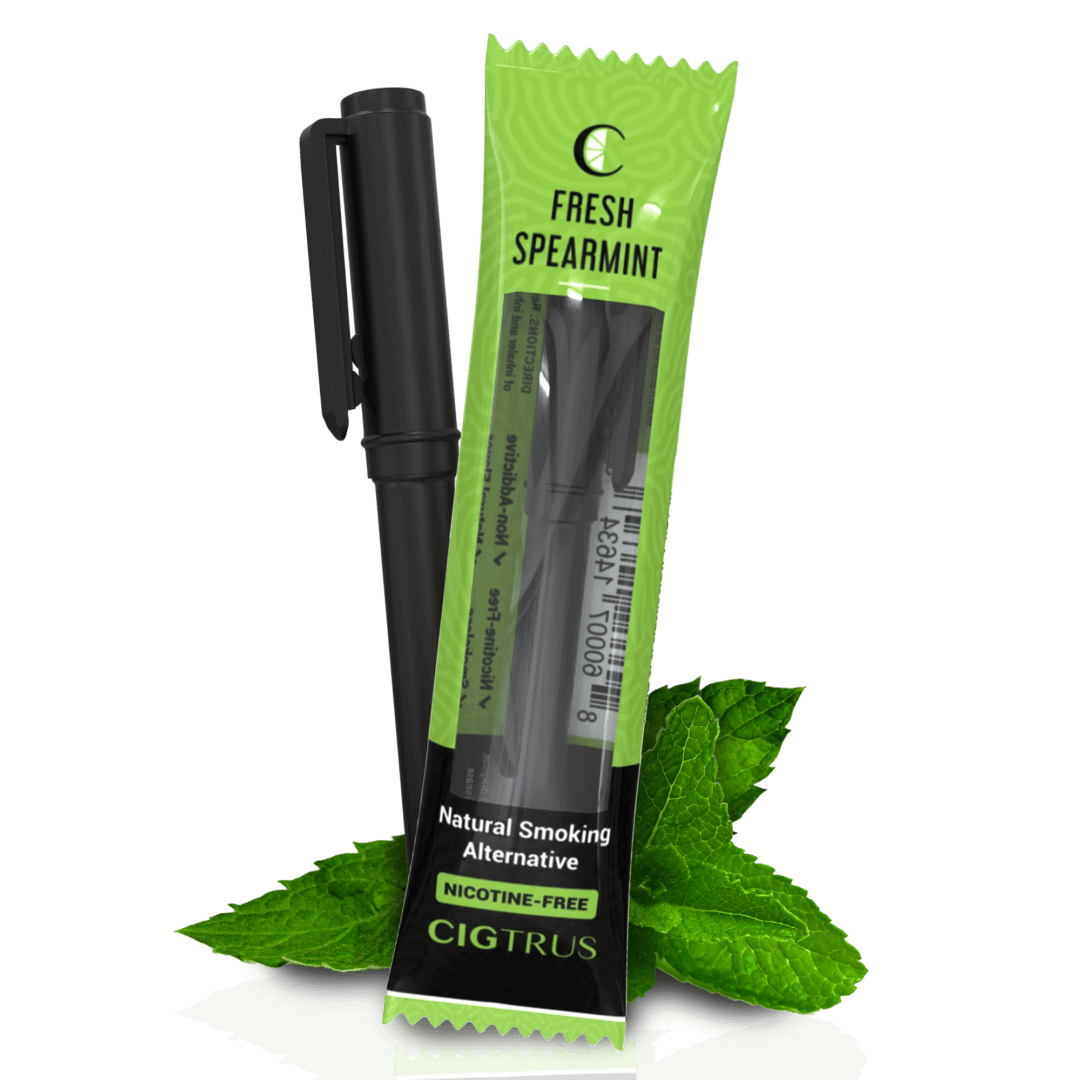
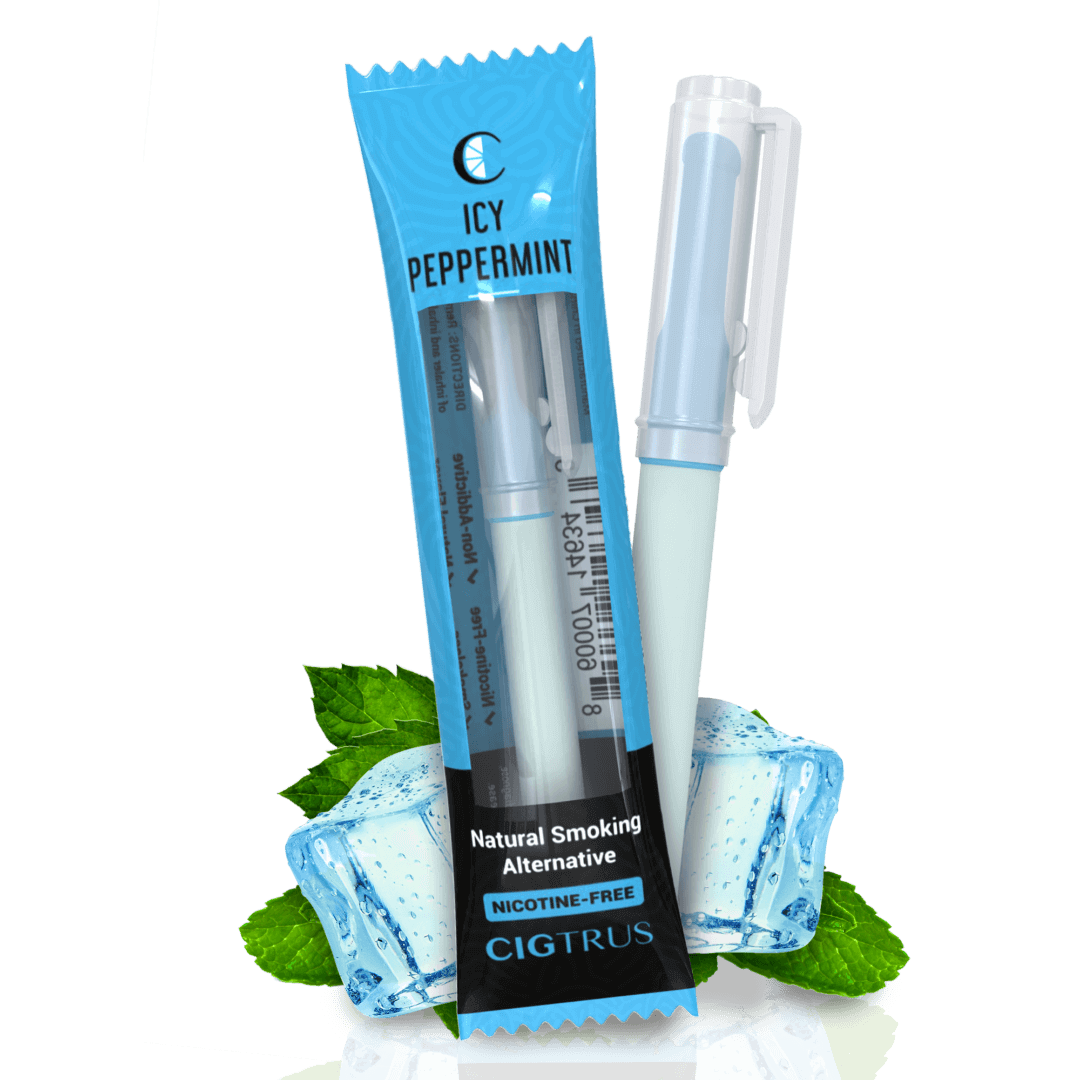
Keeps: the familiar sensory experience, natural citrus and mint aroma instead of smoke
Keeps: the portability, pocket-sized and always ready, no charging required
Removes: smoke, vapor, nicotine, tobacco, everything harmful about the original ritual
Removes: restrictions, usable indoors, on flights, at work, anywhere
Because Cigtrus is smokeless and non-electric, many adults find it easier to use during work, travel, commuting, stressful situations, and indoor environments, all the places the ritual used to happen.
Building Long-Term Smoke-Free Routines
Most smoking habits develop gradually through years of repetition and emotional association. Replacing those routines takes consistency, behavioral support, trigger awareness, and realistic lifestyle adjustments, not a sudden total removal of everything the habit provided.
- Consistency, using the replacement at every trigger, every time
- Behavioral support, something the hands and mouth recognize at craving moments
- Trigger awareness, knowing which moments fire the ritual automatically
- Healthier routines, smoke-free versions of the same daily moments
- Realistic adjustments, gradual change rather than sudden deprivation
Frequently Asked Questions
What are smoke-free habits?
Smoke-free habits are routines and behavioral alternatives that support the familiar smoking ritual, the hand-to-mouth motion, the pause, the inhale, without smoke, vapor, or combustion of any kind.
Why is keeping the ritual important when quitting smoking?
Because the ritual is often more deeply wired than the nicotine. Removing the cigarette but keeping nothing in its place leaves a behavioral gap that almost always leads back to smoking. Keeping the ritual, just cleaner, makes the transition sustainable.
Are smoke-free alternatives only for people trying to quit?
No. Many adults use smoke-free alternatives during work, travel, indoor environments, or situations where smoking is unavailable, not necessarily as part of a quit plan, but as a healthier way to maintain the familiar routine.
What is hand-to-mouth habit replacement?
It means replacing the physical routine of smoking, the reach, the hold, the inhale, with a clean smoke-free alternative. Giving the hands and mouth a familiar destination without smoke, vapor, or nicotine.
How does Cigtrus help build smoke-free habits?
Cigtrus preserves the hand-to-mouth motion, the inhalation rhythm, and the familiar pause, using natural aroma instead of smoke. It fits into every trigger moment throughout the day without restrictions, vapor, or nicotine.
Keep What You Love. Leave What Harms You.
The ritual does not have to disappear. The pause, the breath, the moment that belonged to the cigarette, all of it can stay. What changes is what you hold during it and what you draw through it.
Cigtrus was built for exactly that: a cleaner version of the same familiar routine, ready wherever the ritual used to happen.
Keep the Ritual. Ditch the Smoke.
Nicotine-free, smoke-free, and ready for every moment the ritual used to live in.
👉 Try the Variety Pack