
Healthier Smoke-Free Habits For Stressful Moments
Stress is one of the most powerful smoking triggers, and one of the hardest to manage without a reliable behavioral alternative. For many smokers, the hand-to-mouth reach during a stressful moment becomes so automatic that willpower alone rarely intercepts it in time. Building healthier smoke-free habits specifically for stressful moments means having a clean behavioral response already in place before stress fires the trigger.
Why Stress and Smoking Become So Connected
Many smokers become accustomed to smoking during stressful situations through years of repeated behavioral patterns. The brain learns: stress arrives, the hand reaches, a cigarette follows, and a few moments of familiar inhalation provide a pause. That pause is what the brain actually craves, the familiar inhalation routine, the sensory break, the moment of stopping. Stress delivers the trigger repeatedly, and the routine fires automatically in response.
“Stress doesn’t just trigger the nicotine craving, it triggers the entire behavioral routine. The inhalation, the pause, the familiar motion. Replacing each piece of that routine with something clean is what makes smoke-free stress habits actually work.”
What Smokers Are Searching for at Stressful Moments
For many smokers, repeated smoking routines eventually become automatic responses to stress and emotional situations. That is why many adults searching for stress-related support look specifically for hand-to-mouth habit replacement, oral fixation support, smoke-free behavioral alternatives, familiar inhalation habits, and stress-related smoking support. Adults trying to reduce stress-triggered smoking often discover that replacing the ritual itself may feel just as important as reducing nicotine, especially during stressful moments when the automatic response is strongest.
Smoke-Free Habits That Work When Stress Peaks
Behavioral Inhalation Replacement
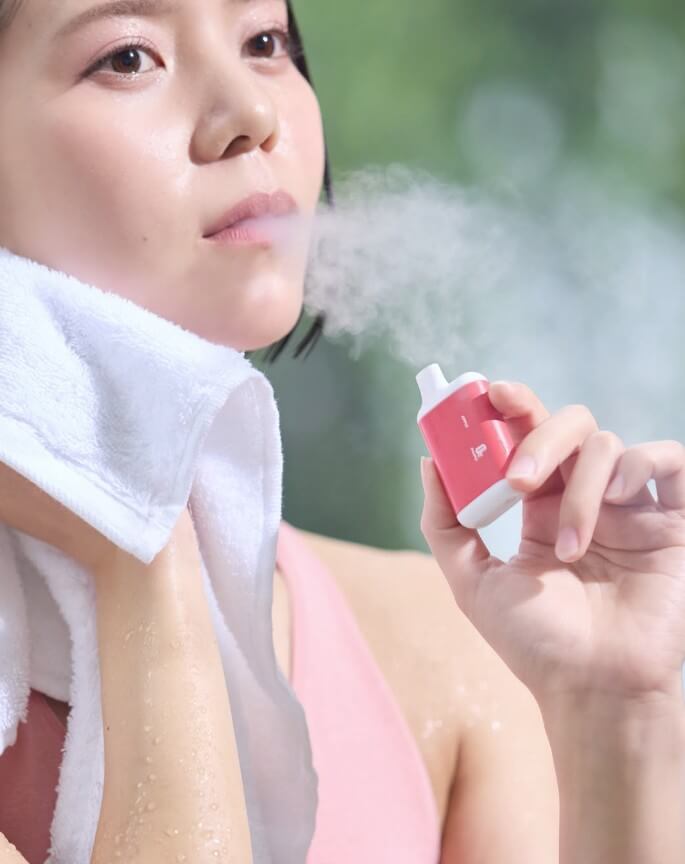
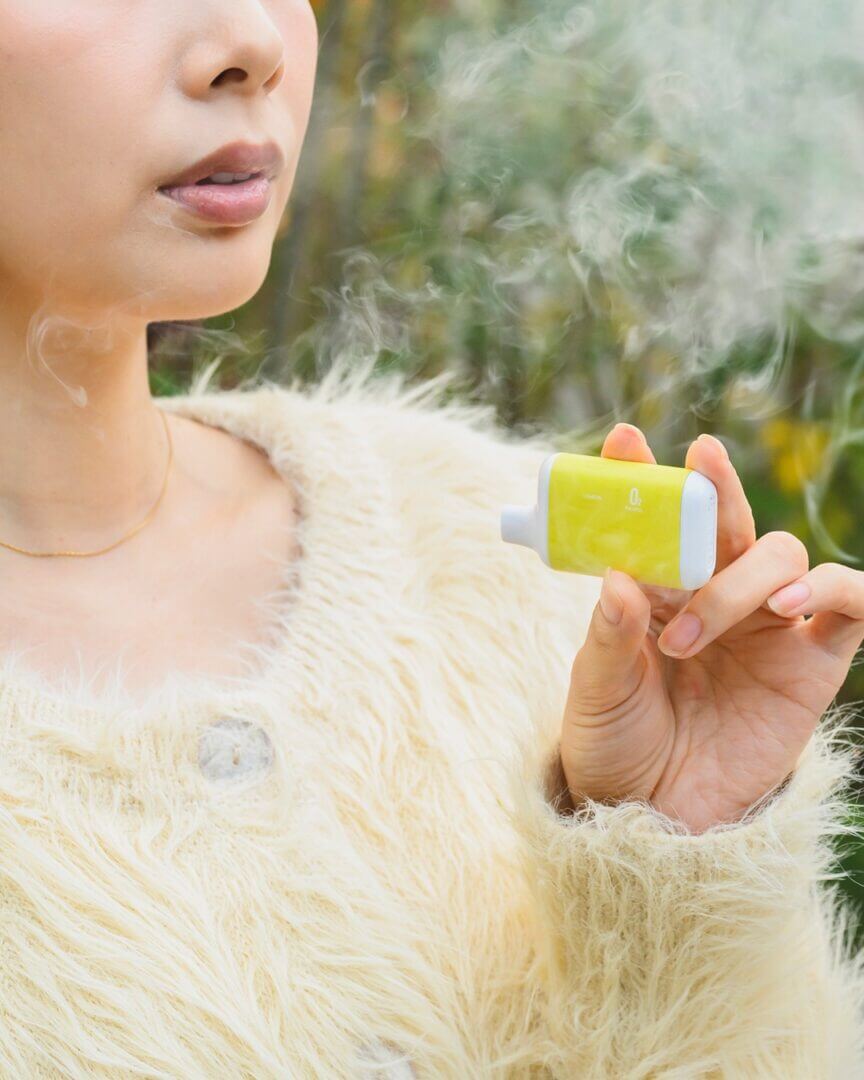
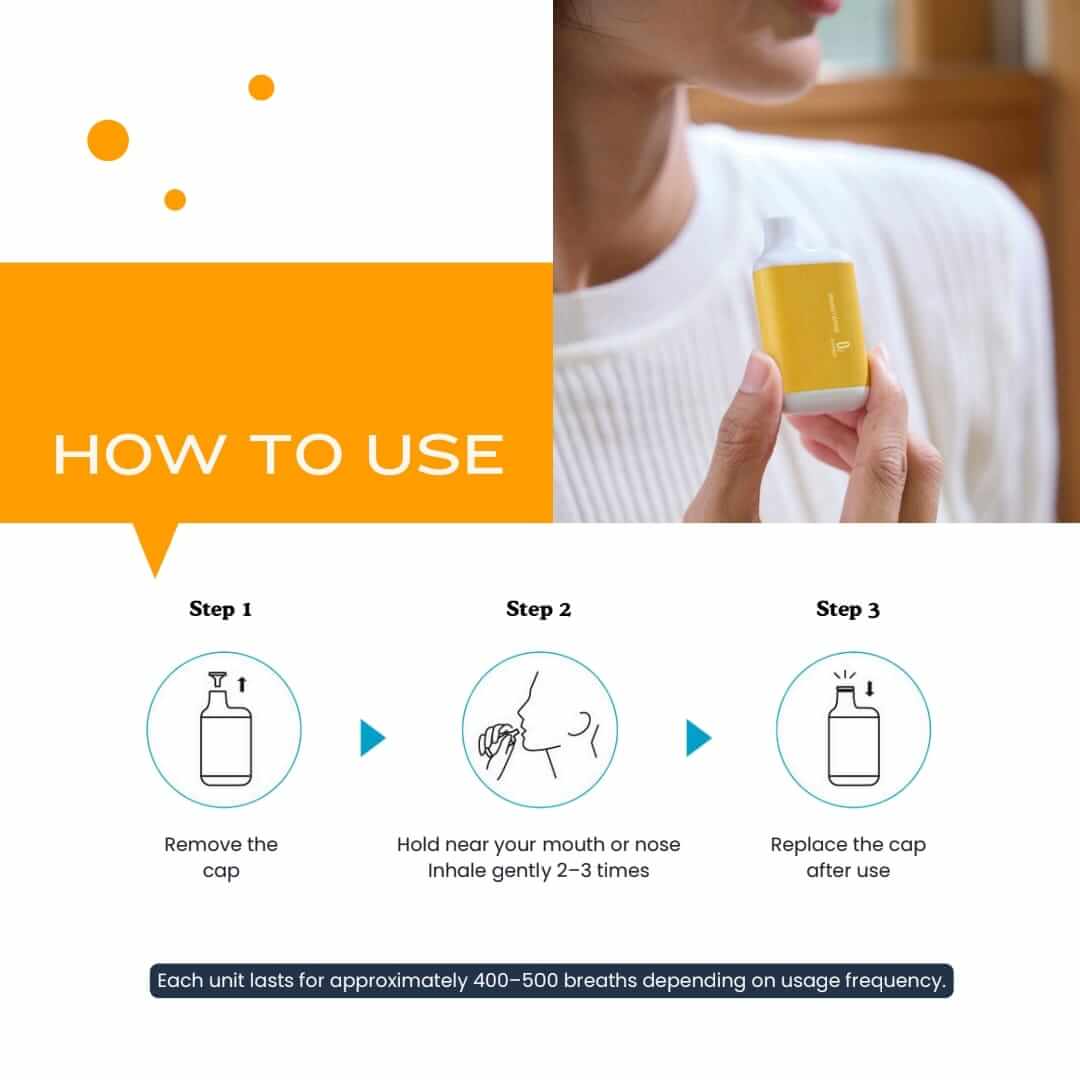
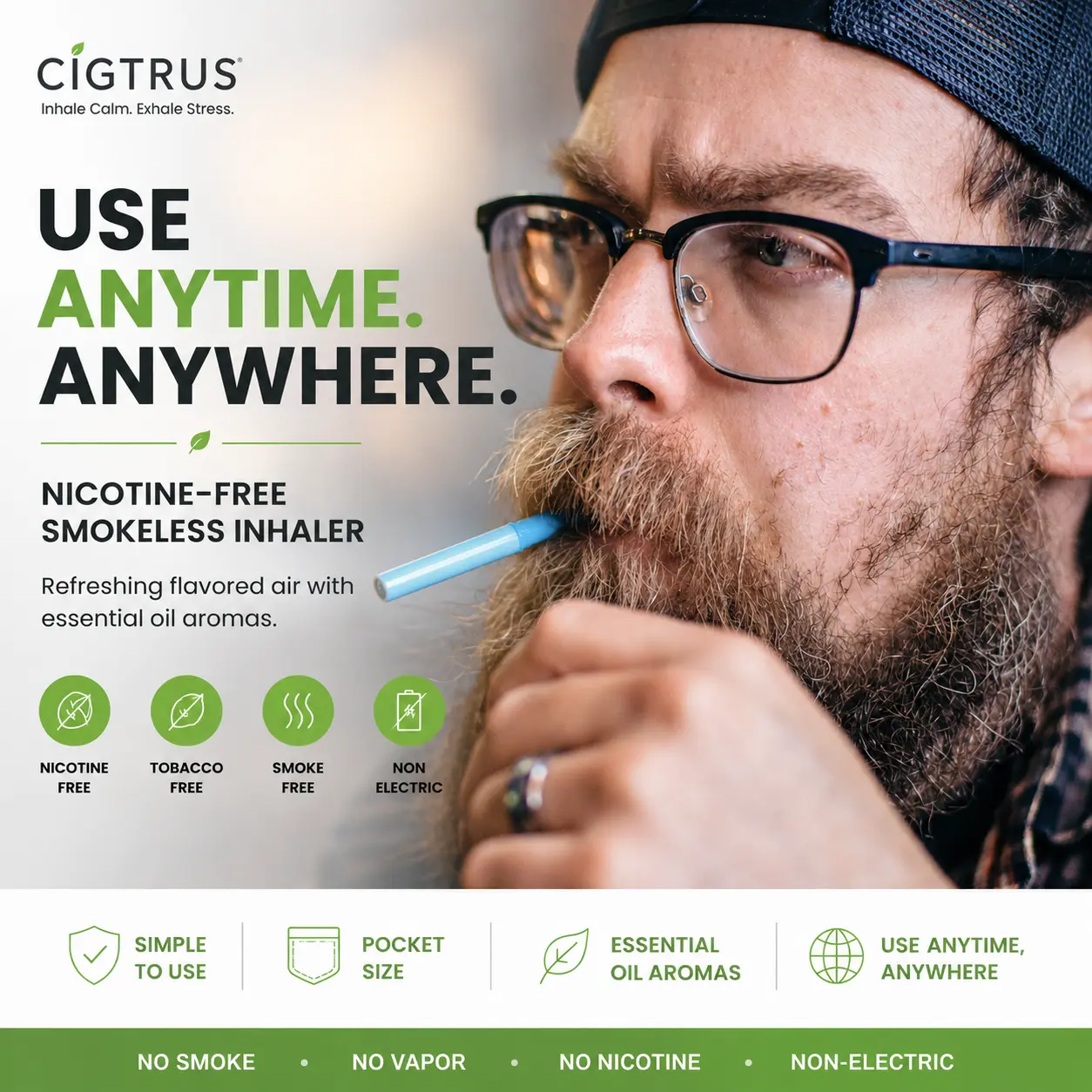
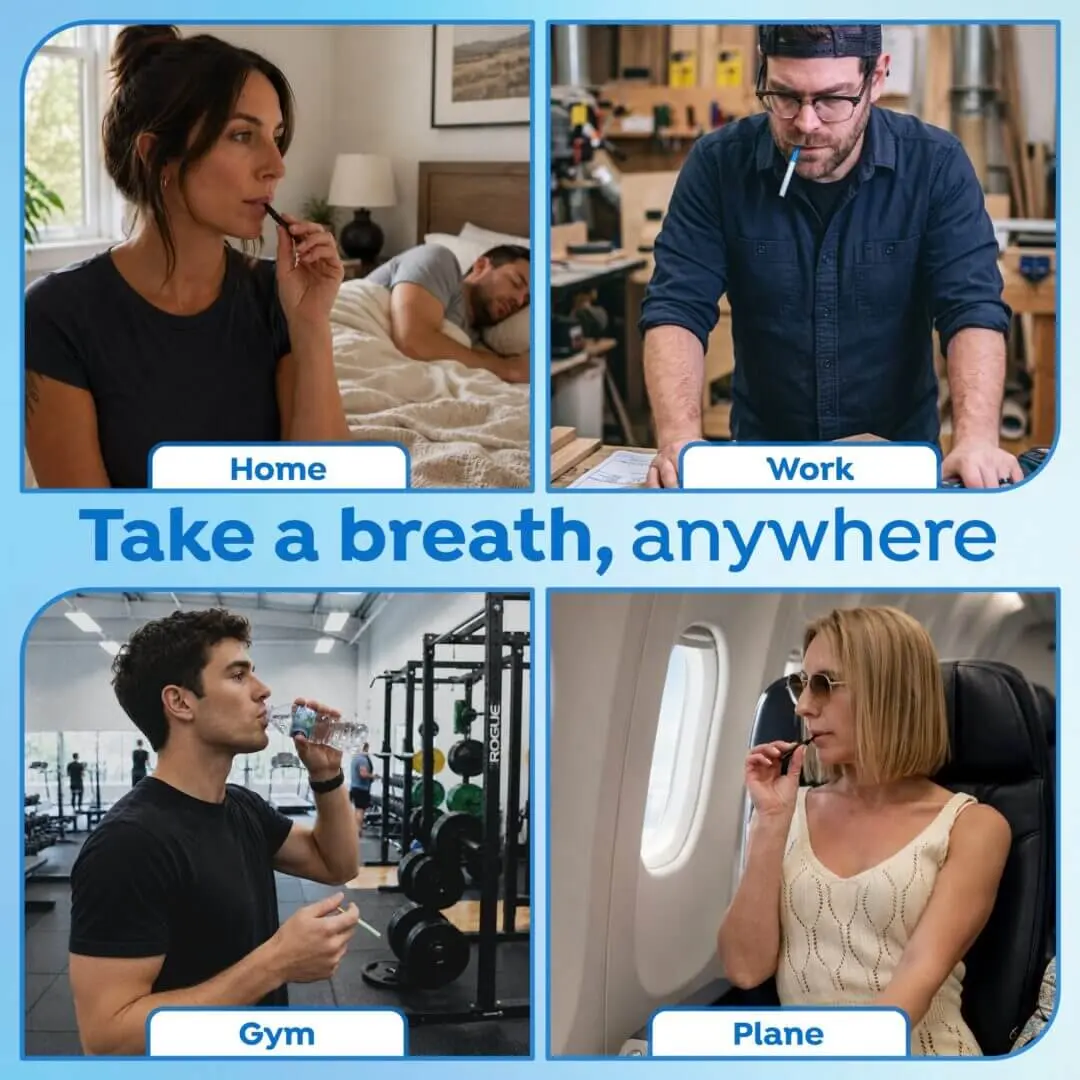
A pocket-ready smokeless inhaler gives the familiar reach and inhalation response a clean destination the instant stress fires the trigger.
Conscious Breathing
Deep structured breathing activates the parasympathetic nervous system, providing genuine calming that nicotine was only simulating.
Movement at Trigger Moments
A short walk or light movement at the stress peak redirects the nervous system response before the behavioral habit can fully engage.
Citrus Aroma Reset
Citrus scents neurologically reduce anxious brain activity and lift mood, particularly effective at stress-triggered craving moments.
Many adults researching smoke-free alternatives also want to understand how smokeless inhalers differ from vaping devices, the answer being no device, no charging, no restrictions, no substance delivery of any kind.
How Cigtrus Supports Smoke-Free Stress Routines
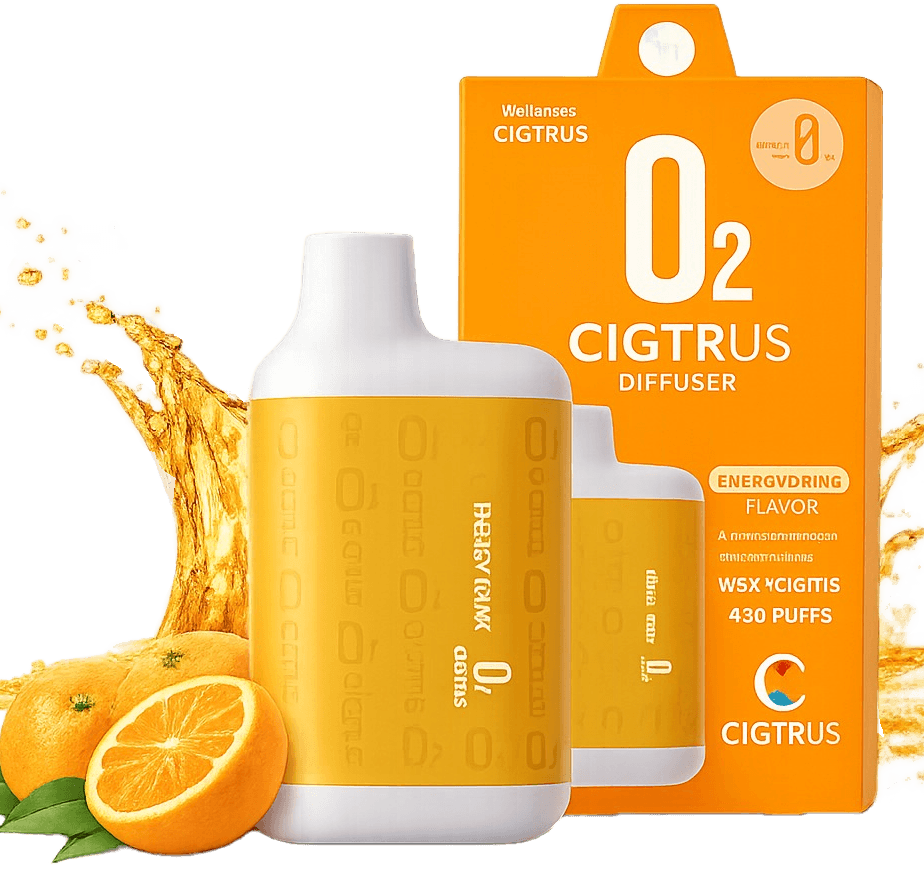
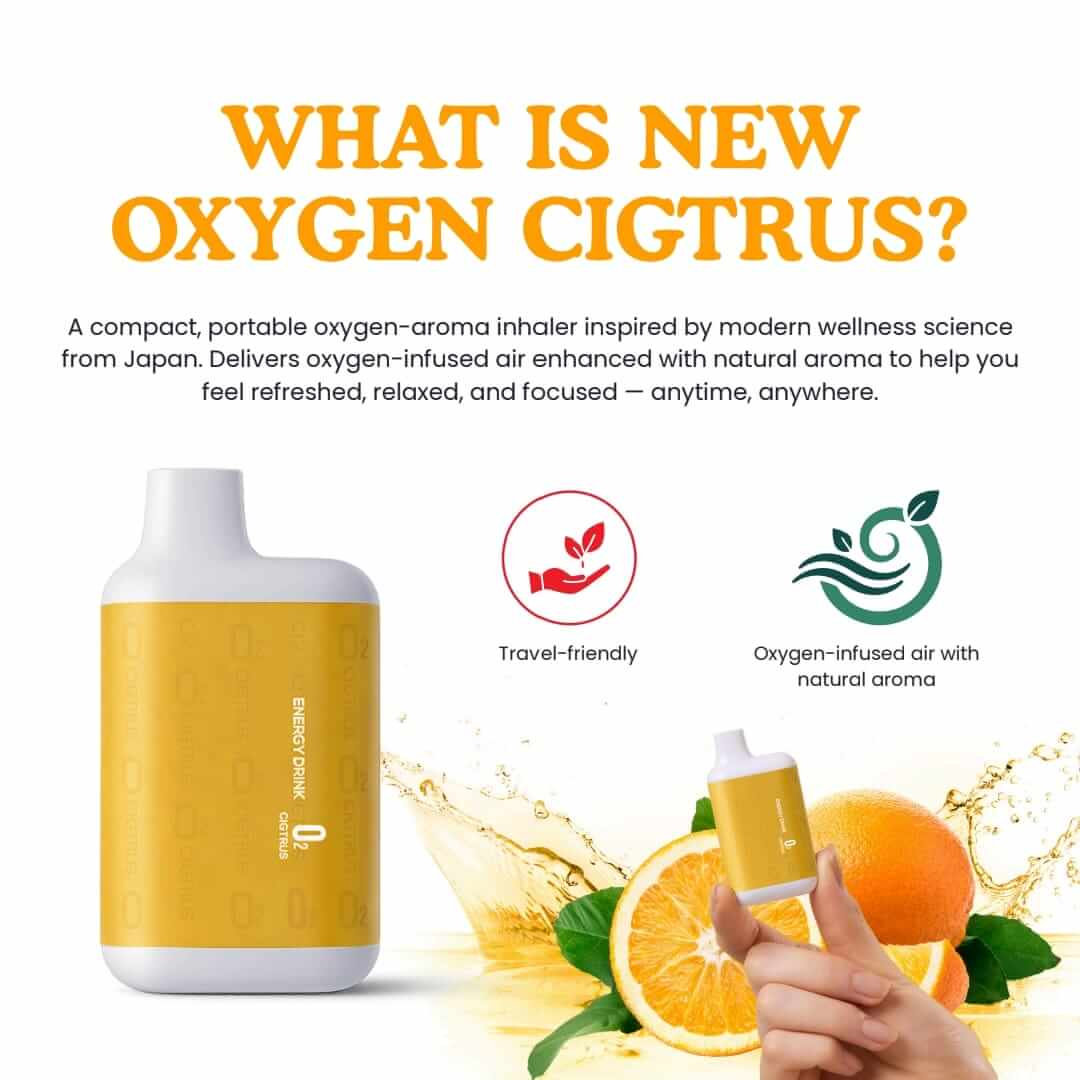
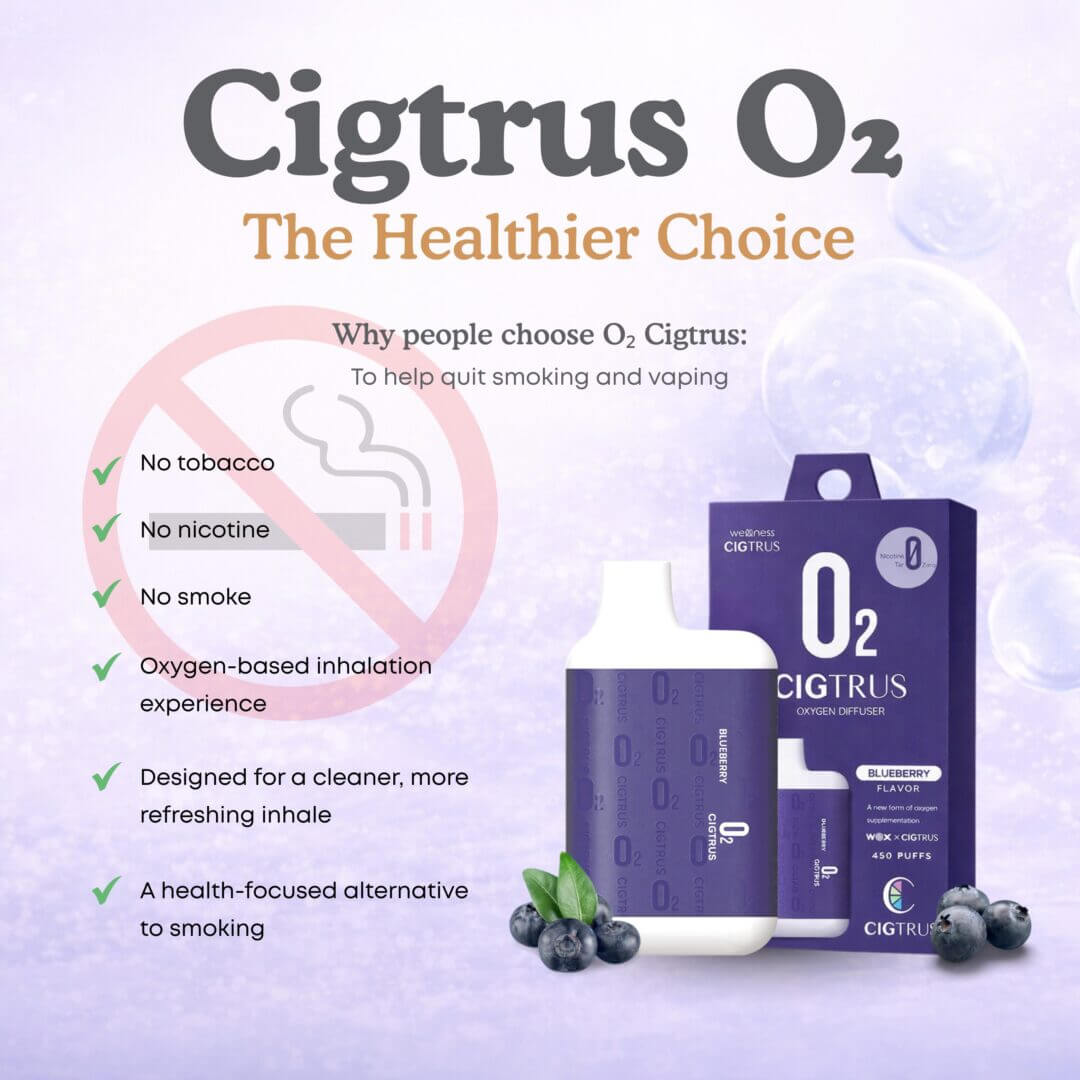
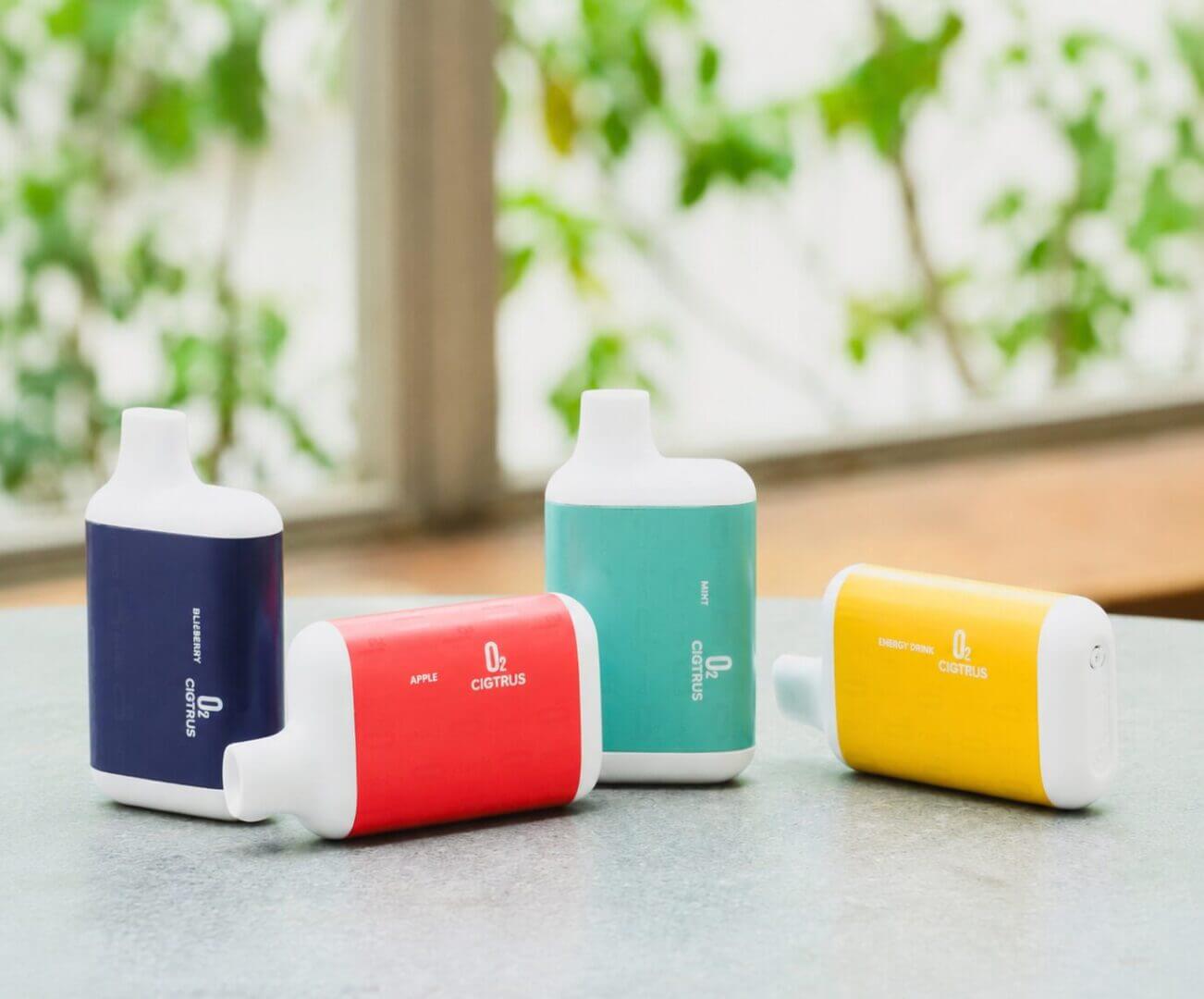
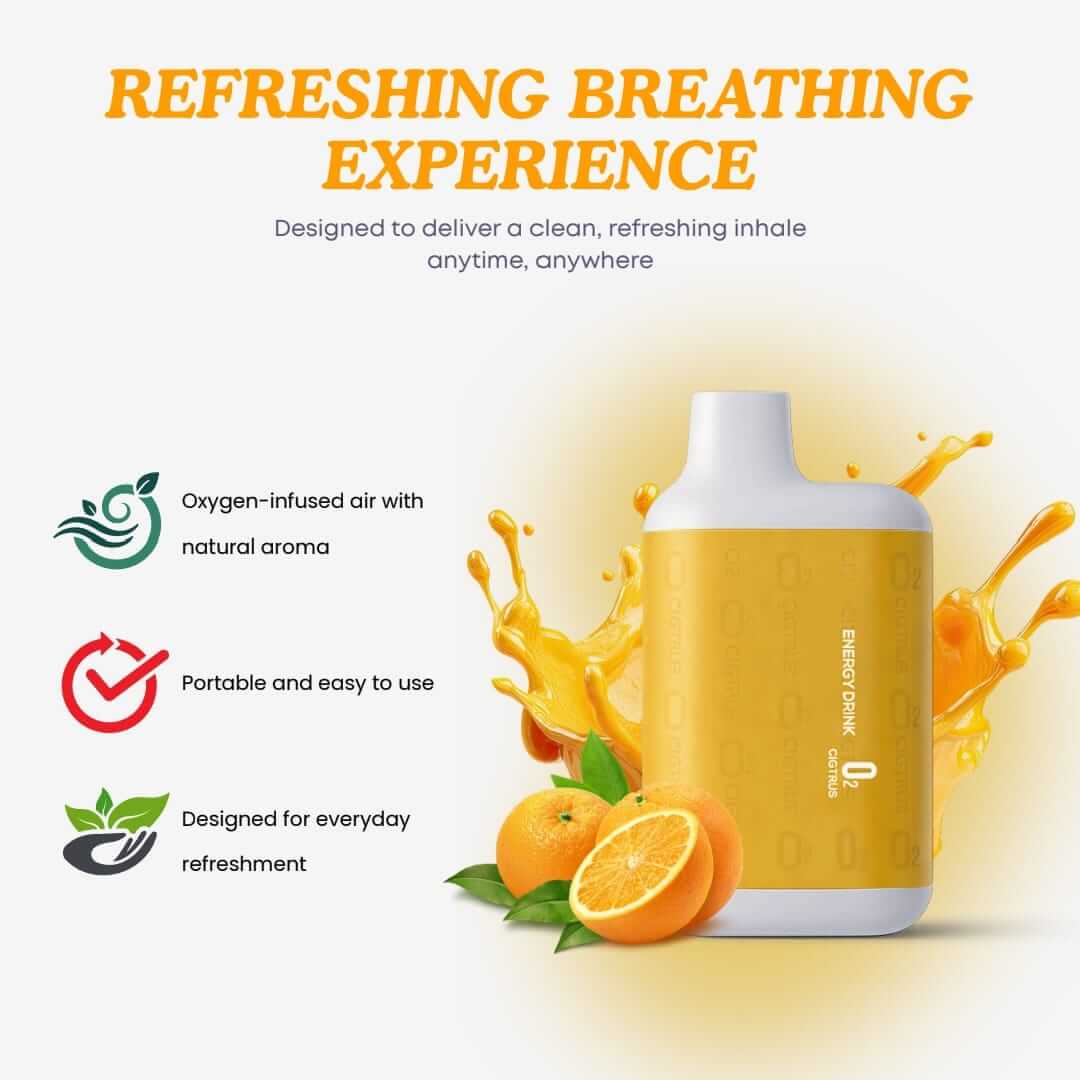
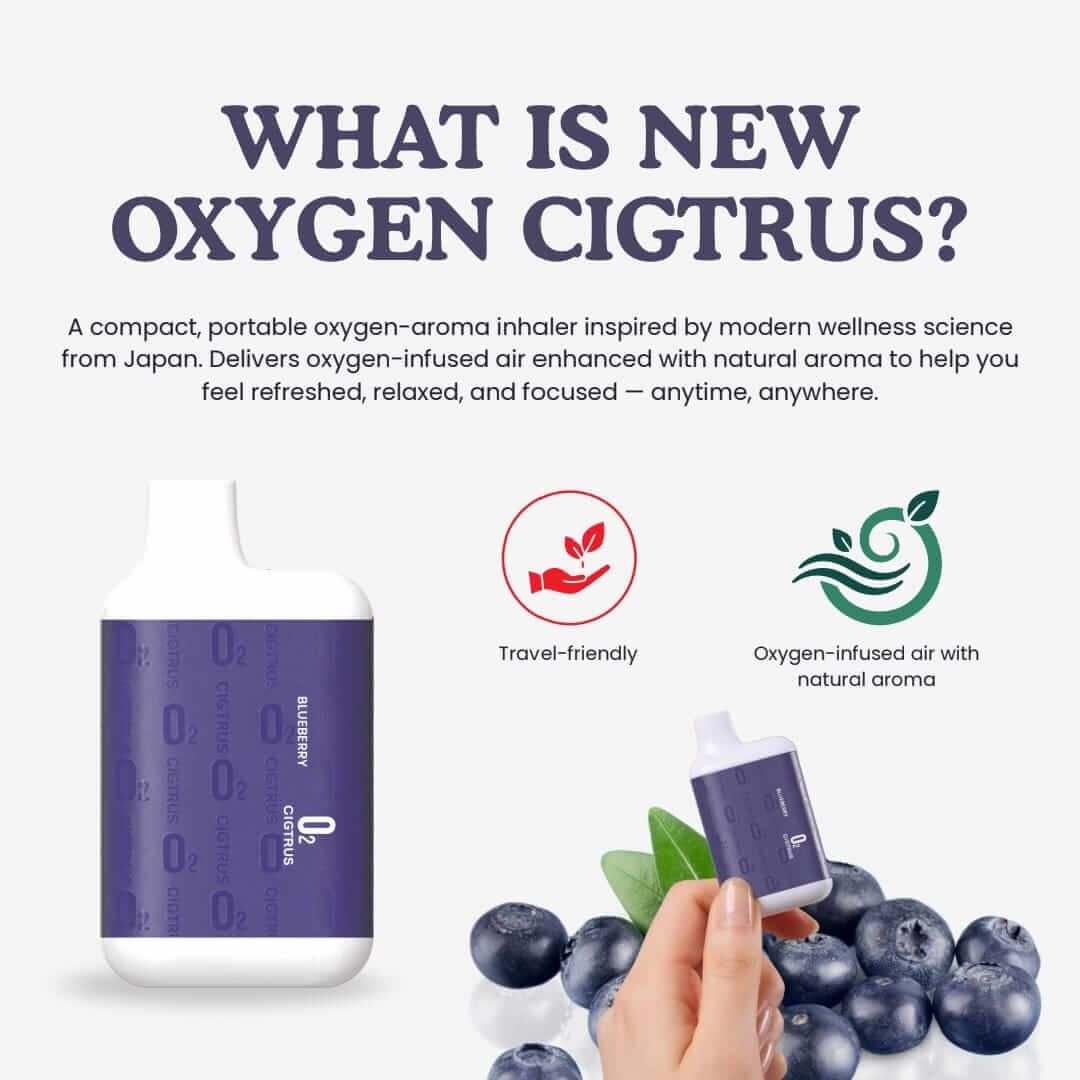
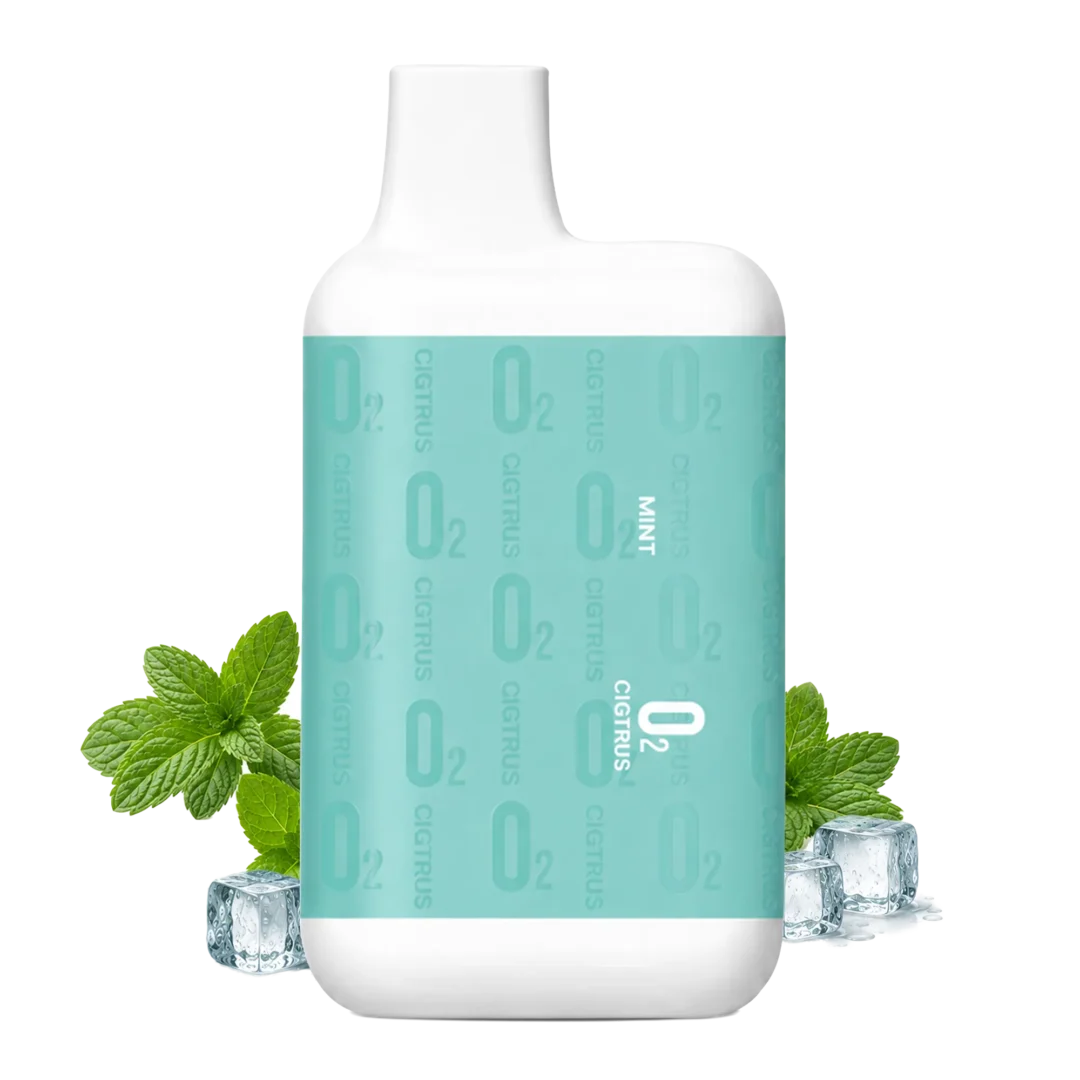
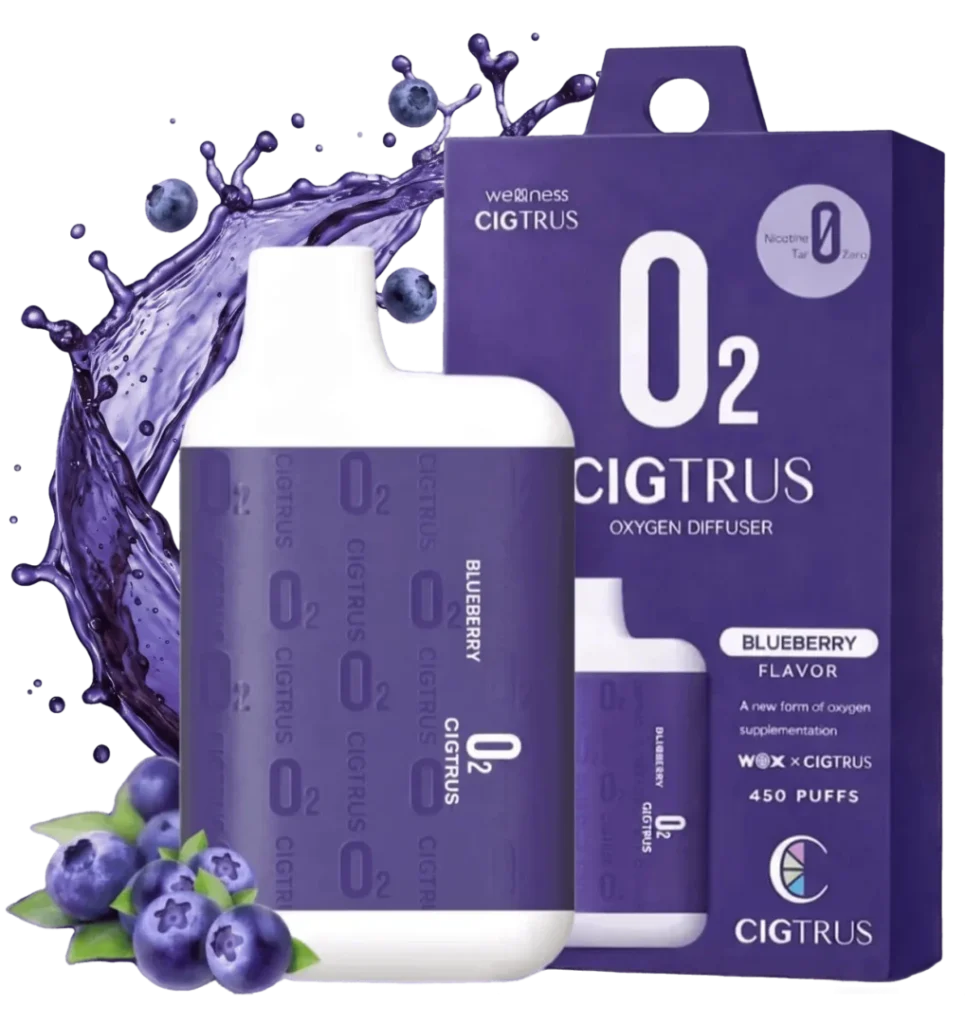
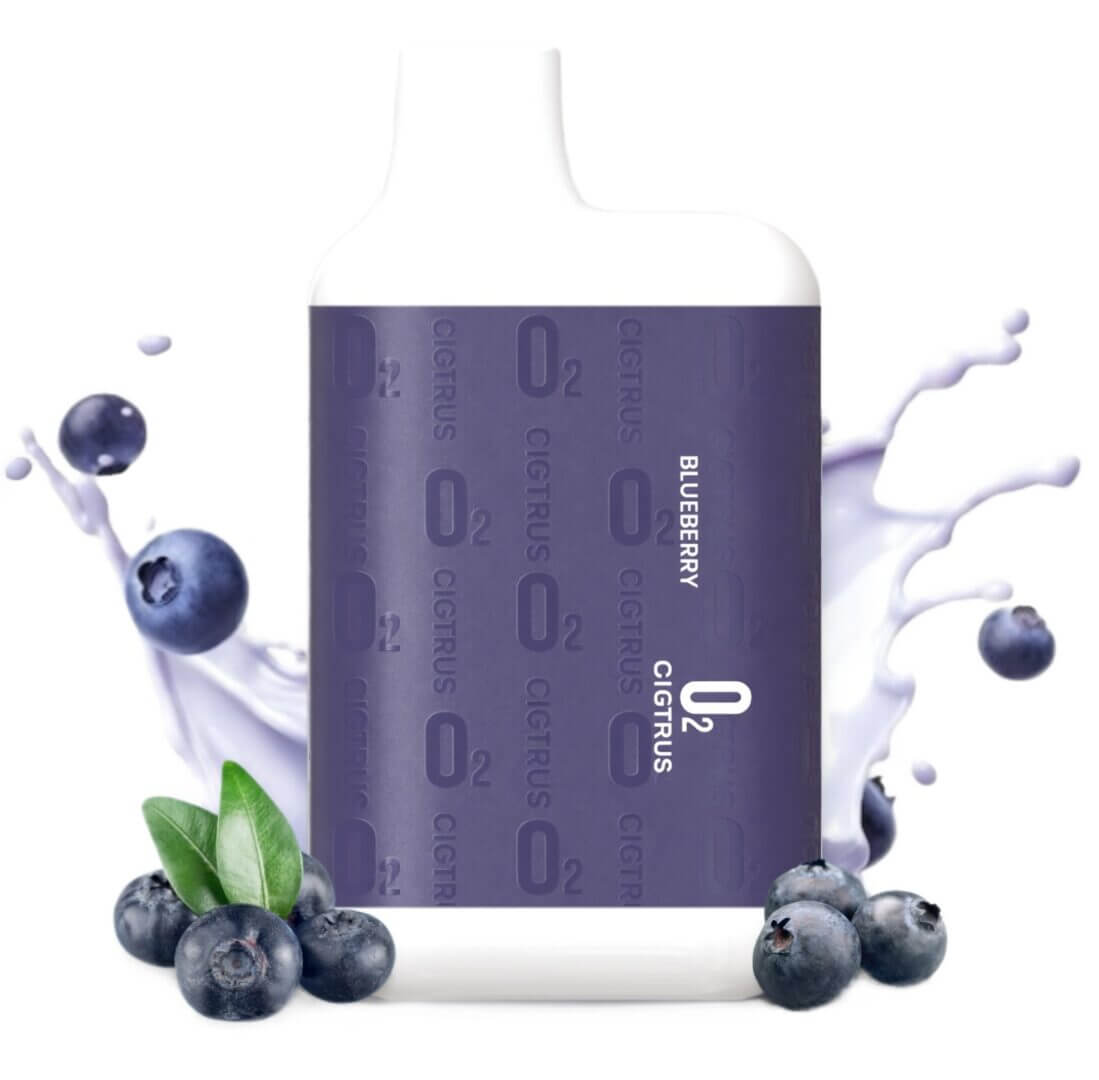
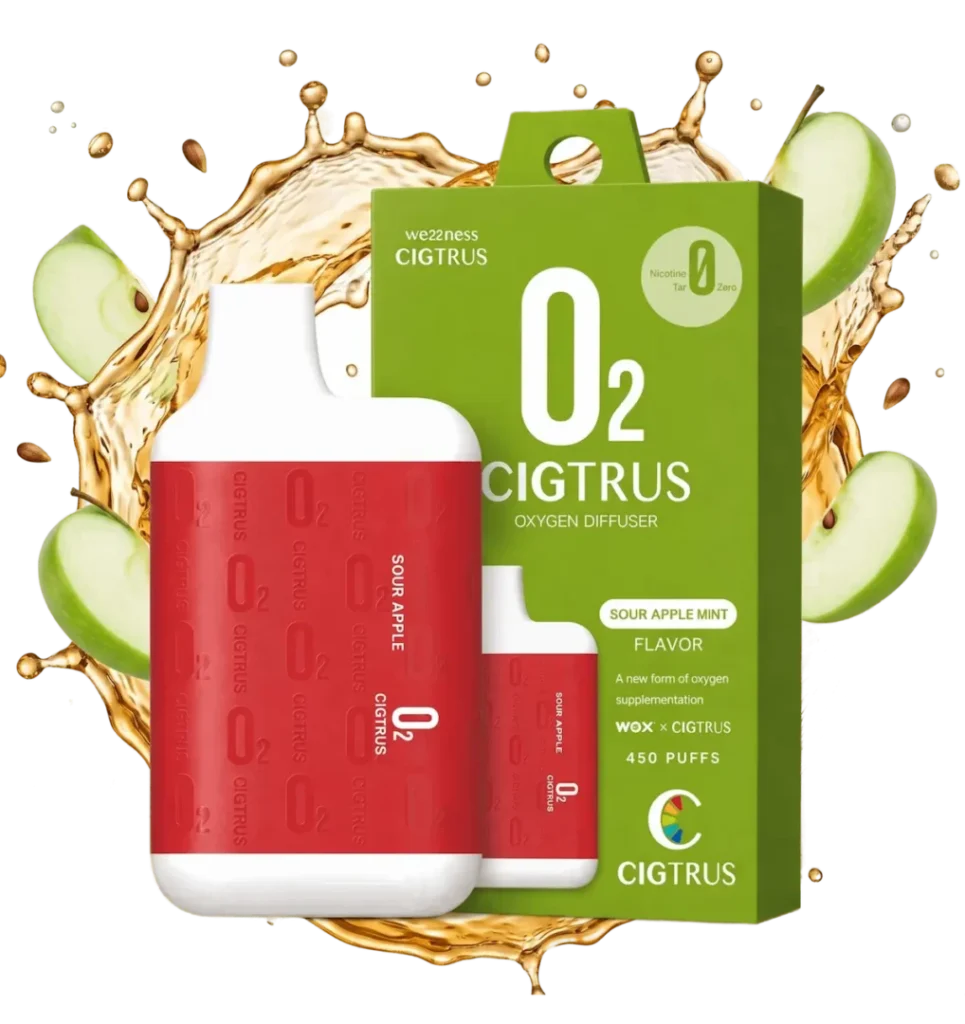
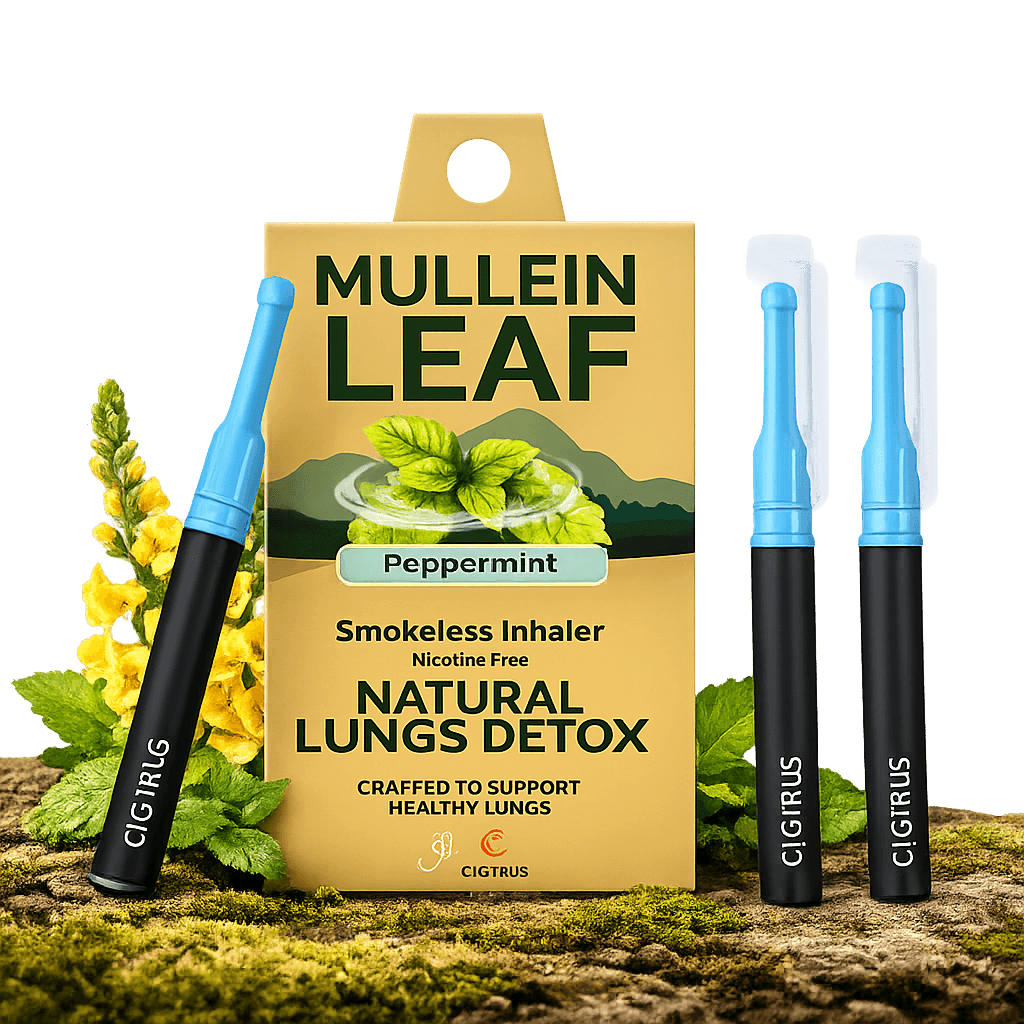
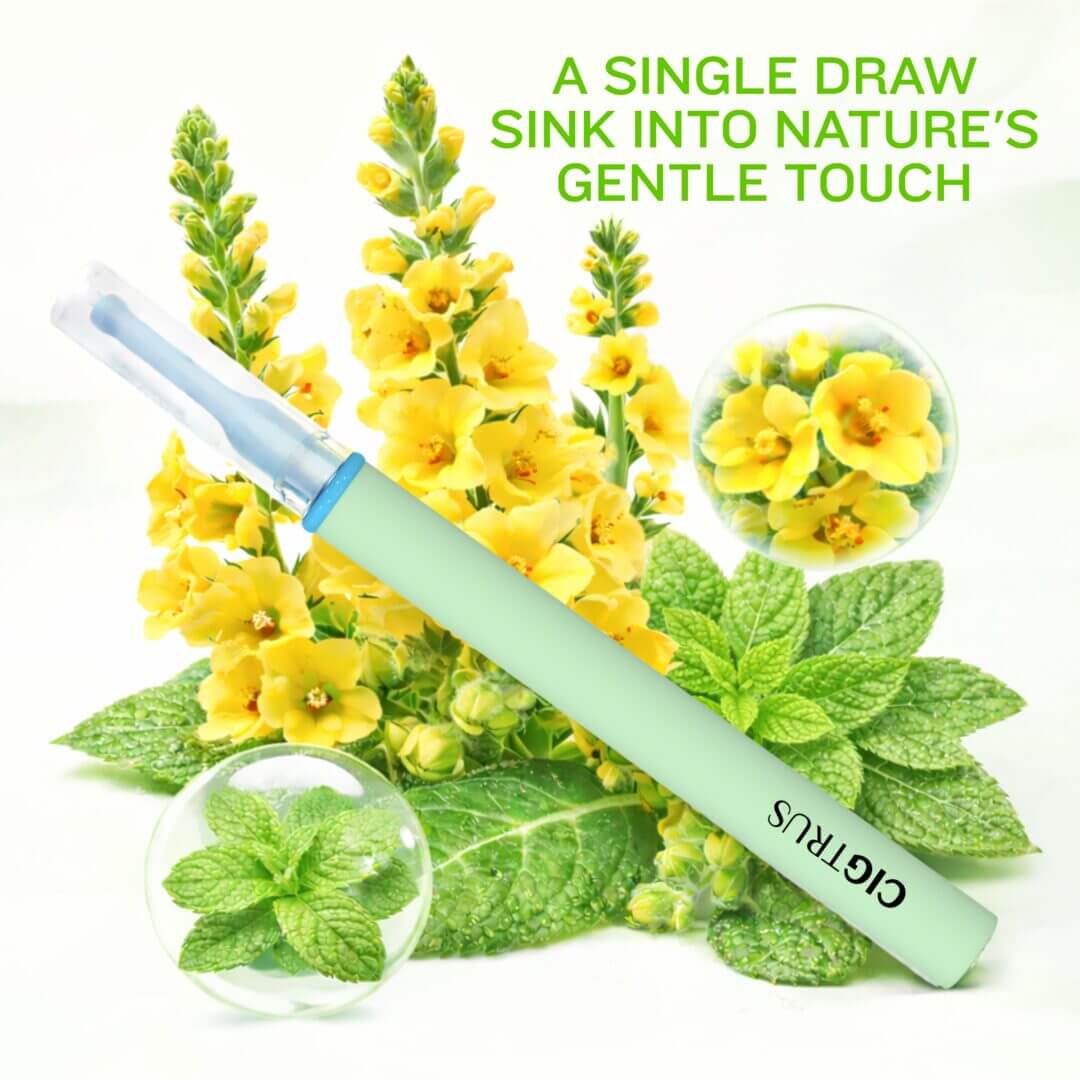
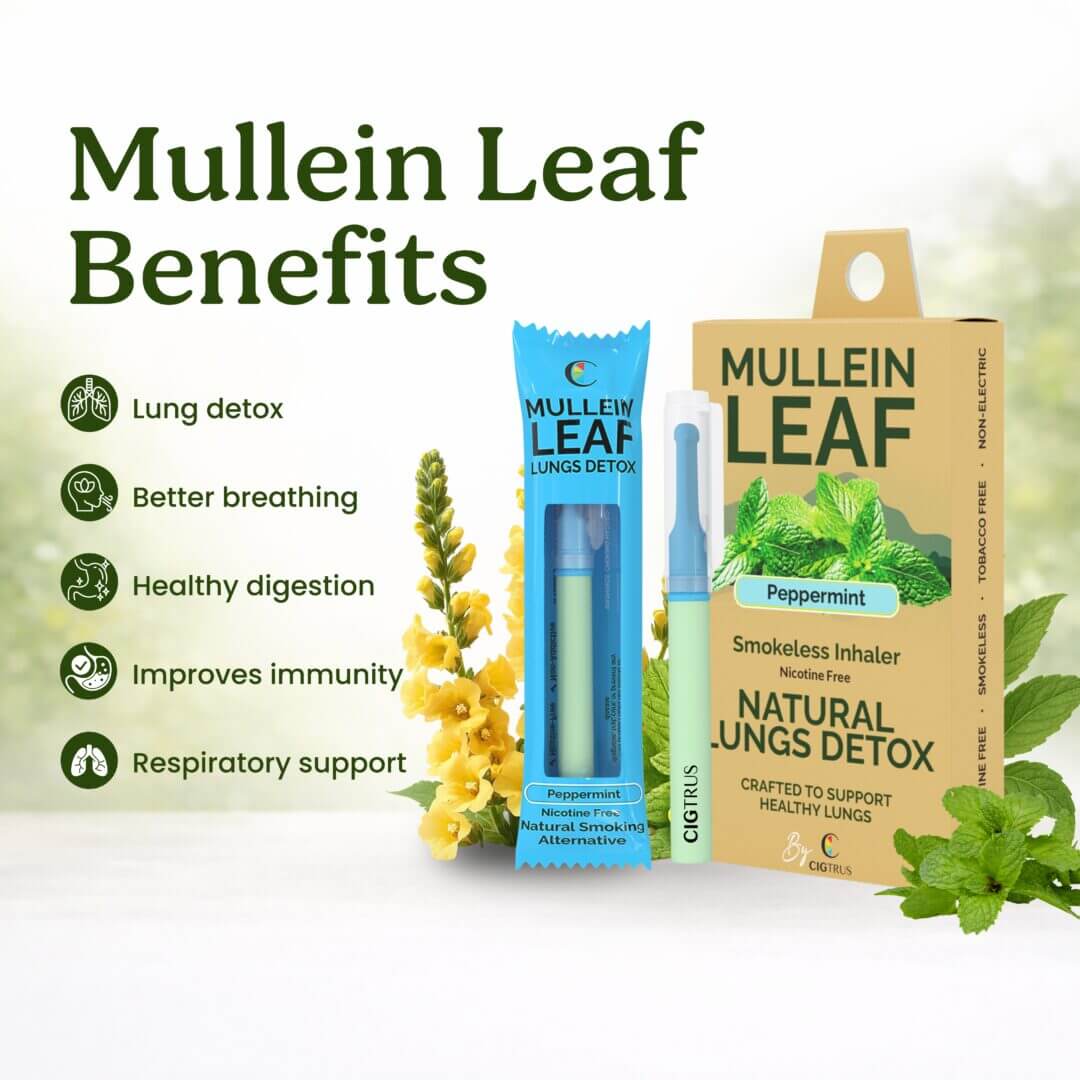
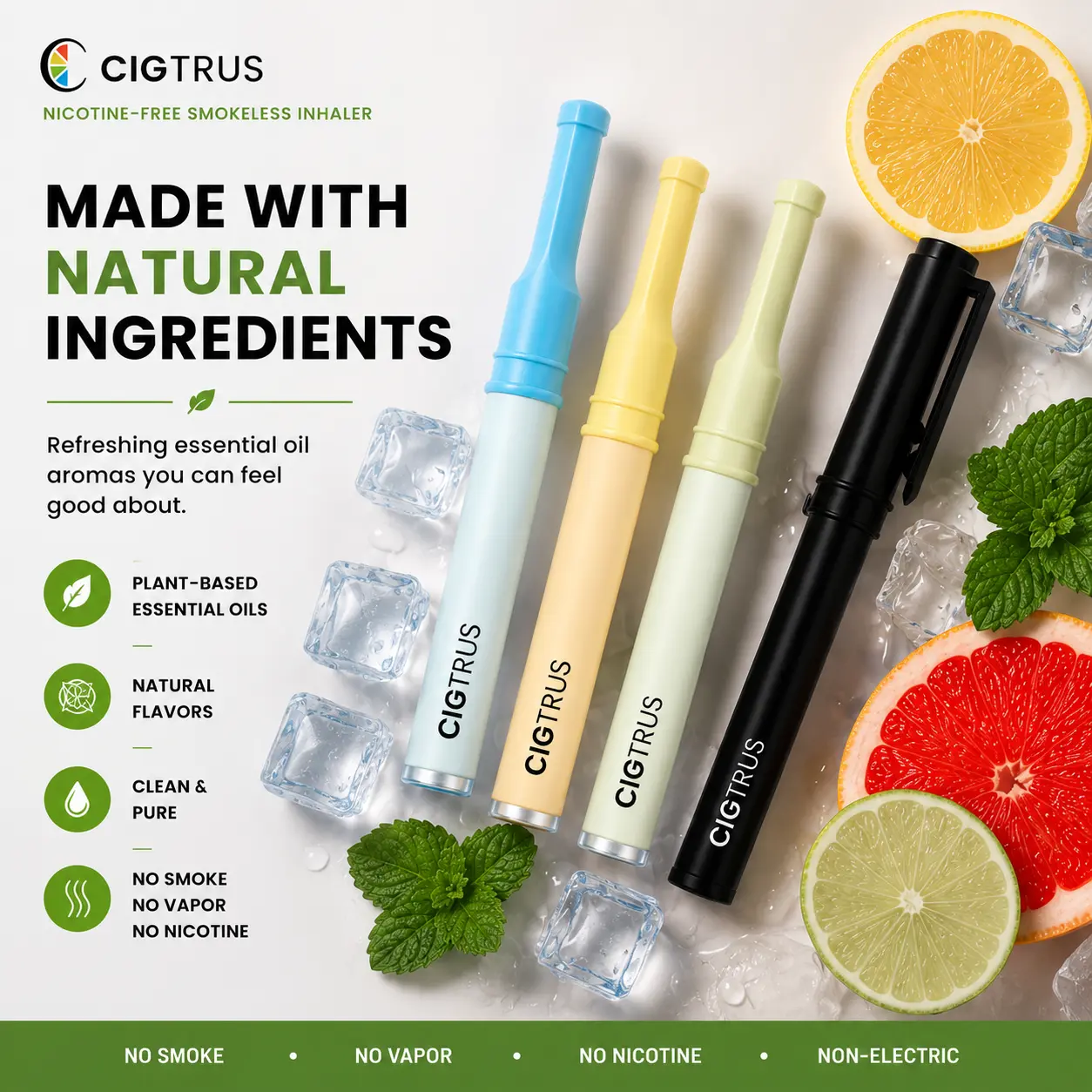
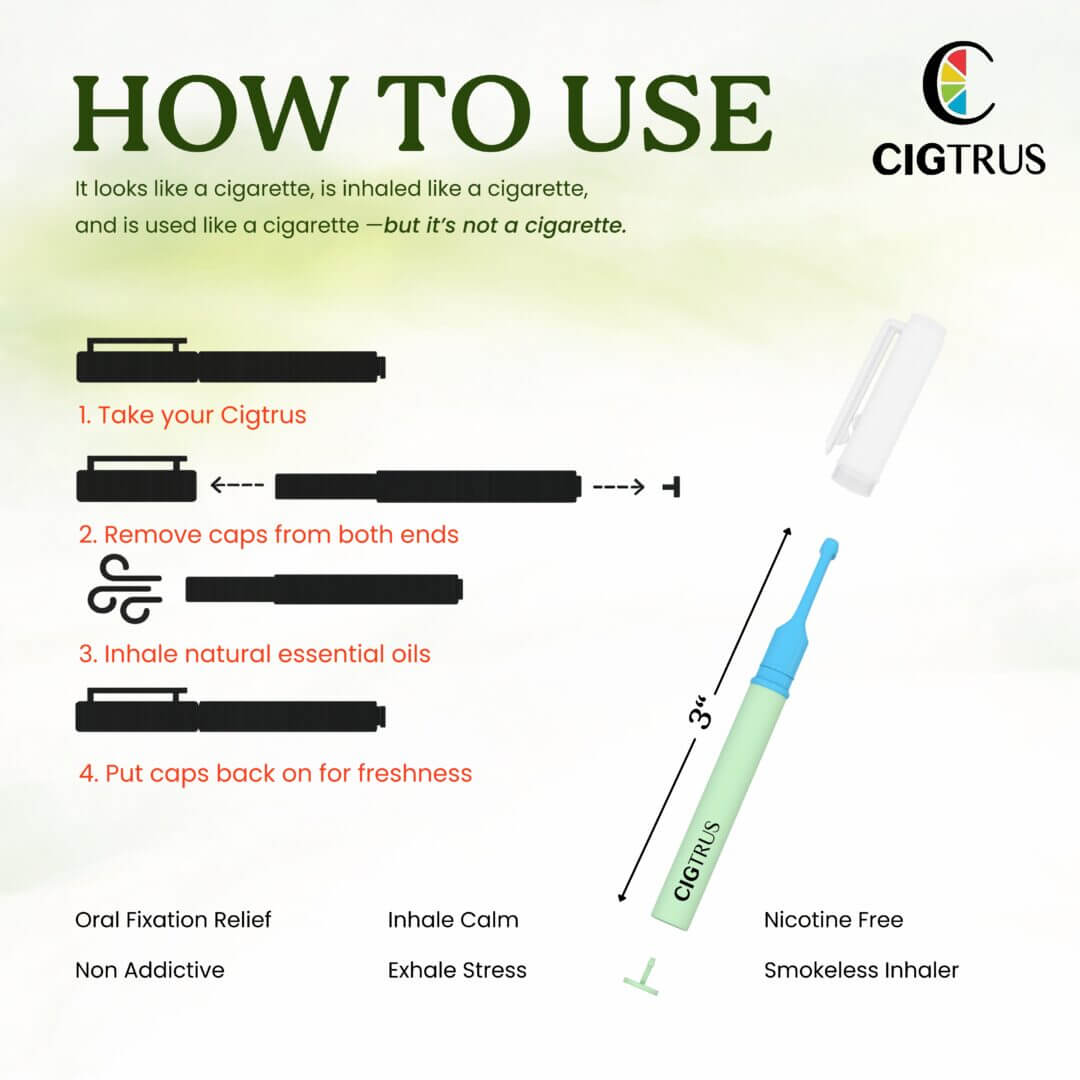
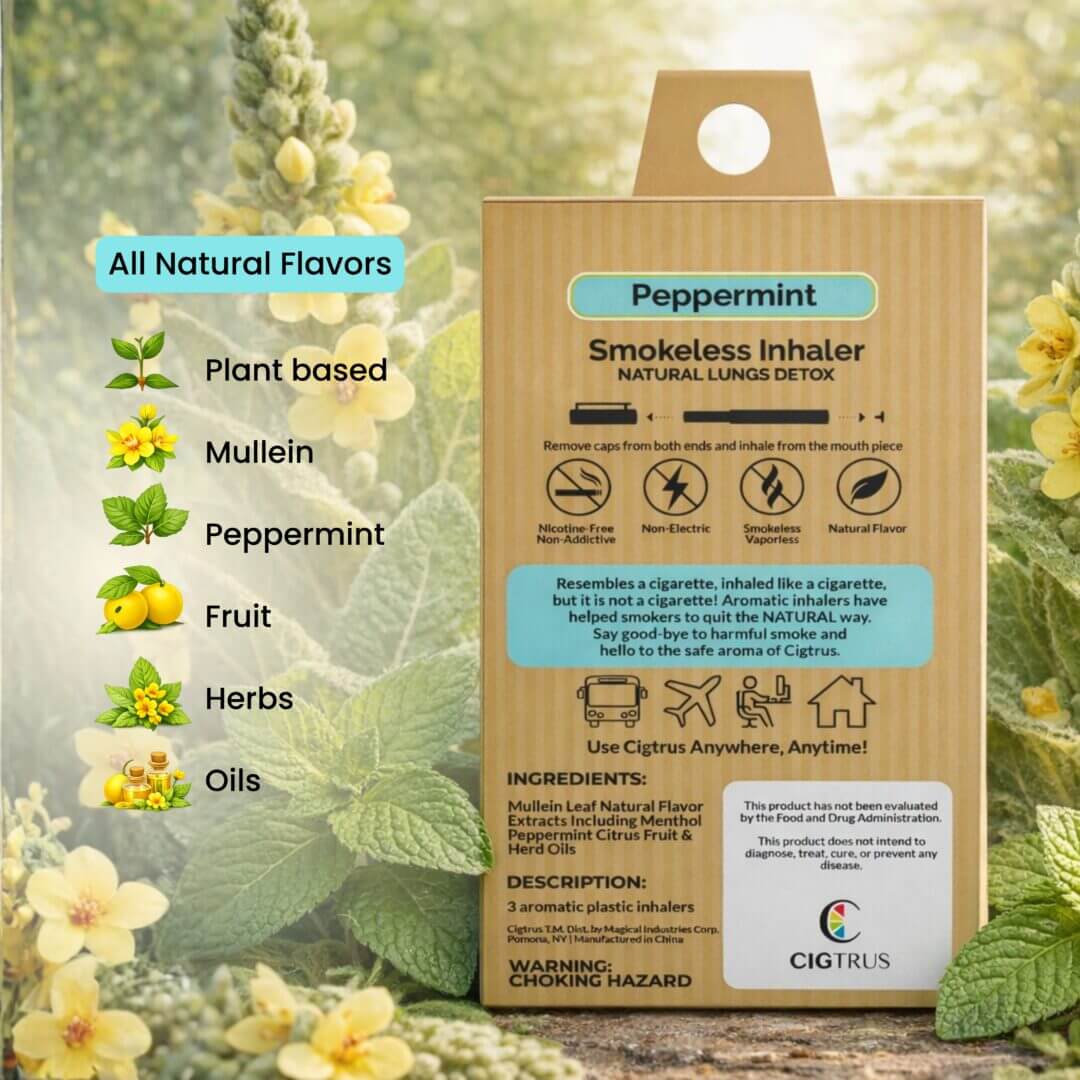
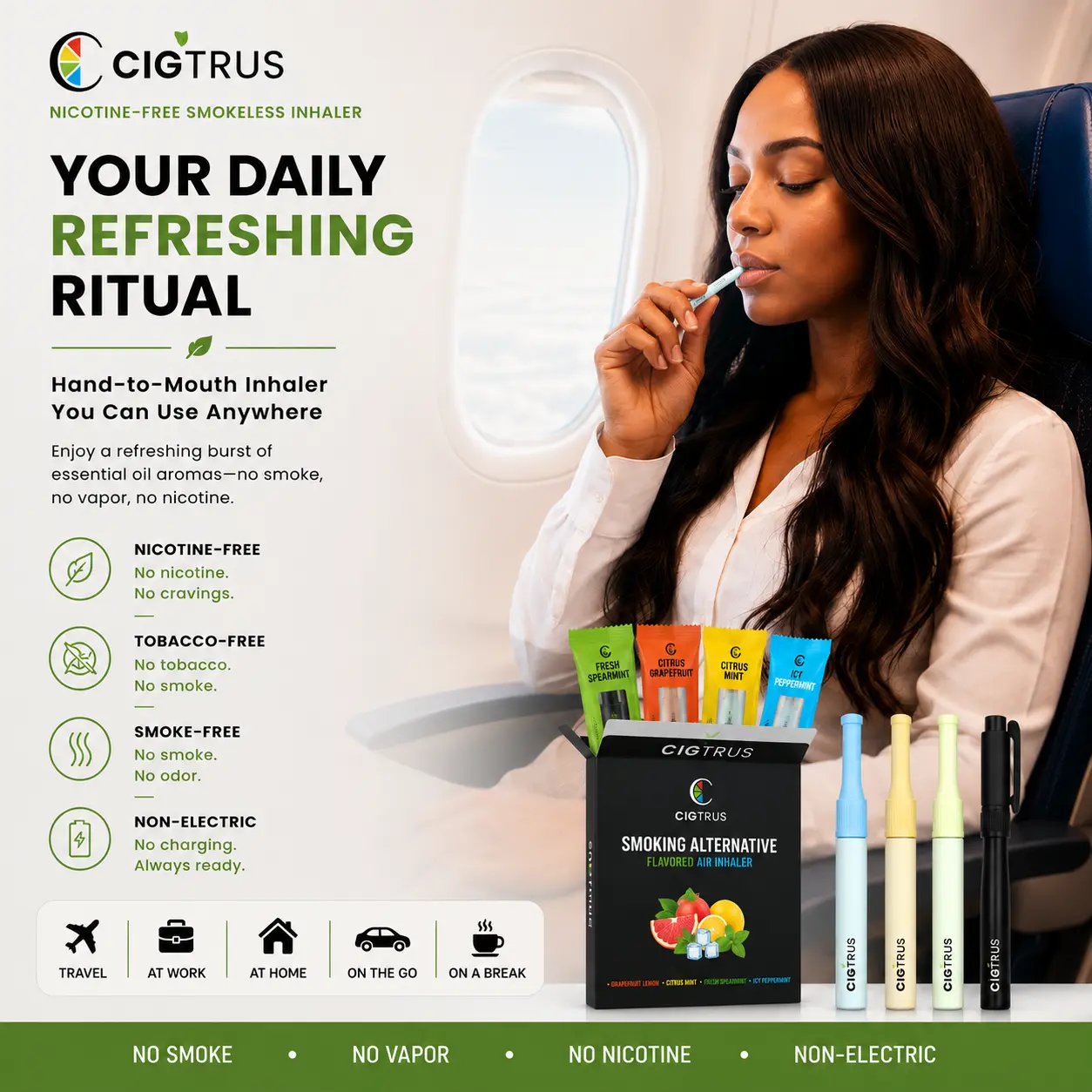
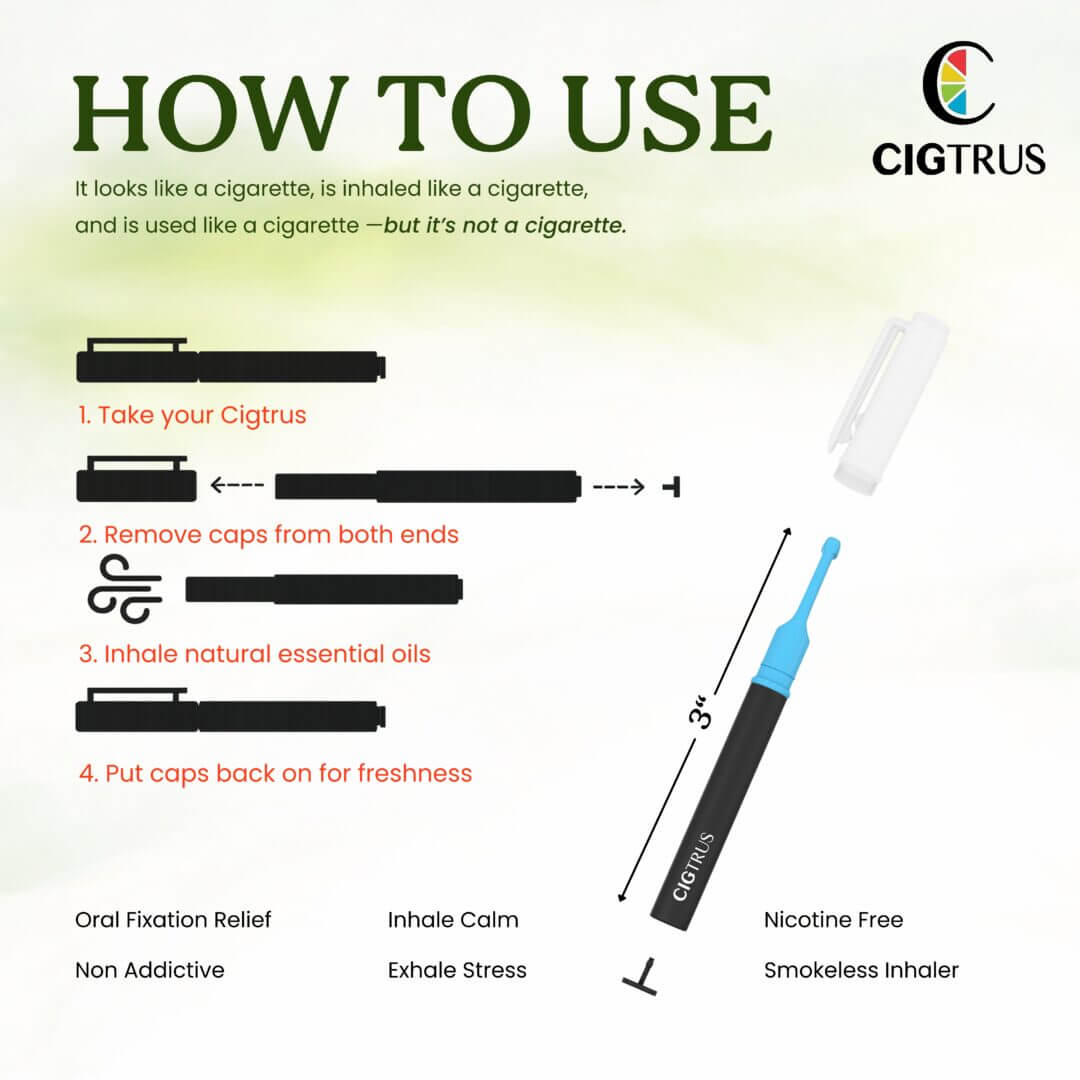
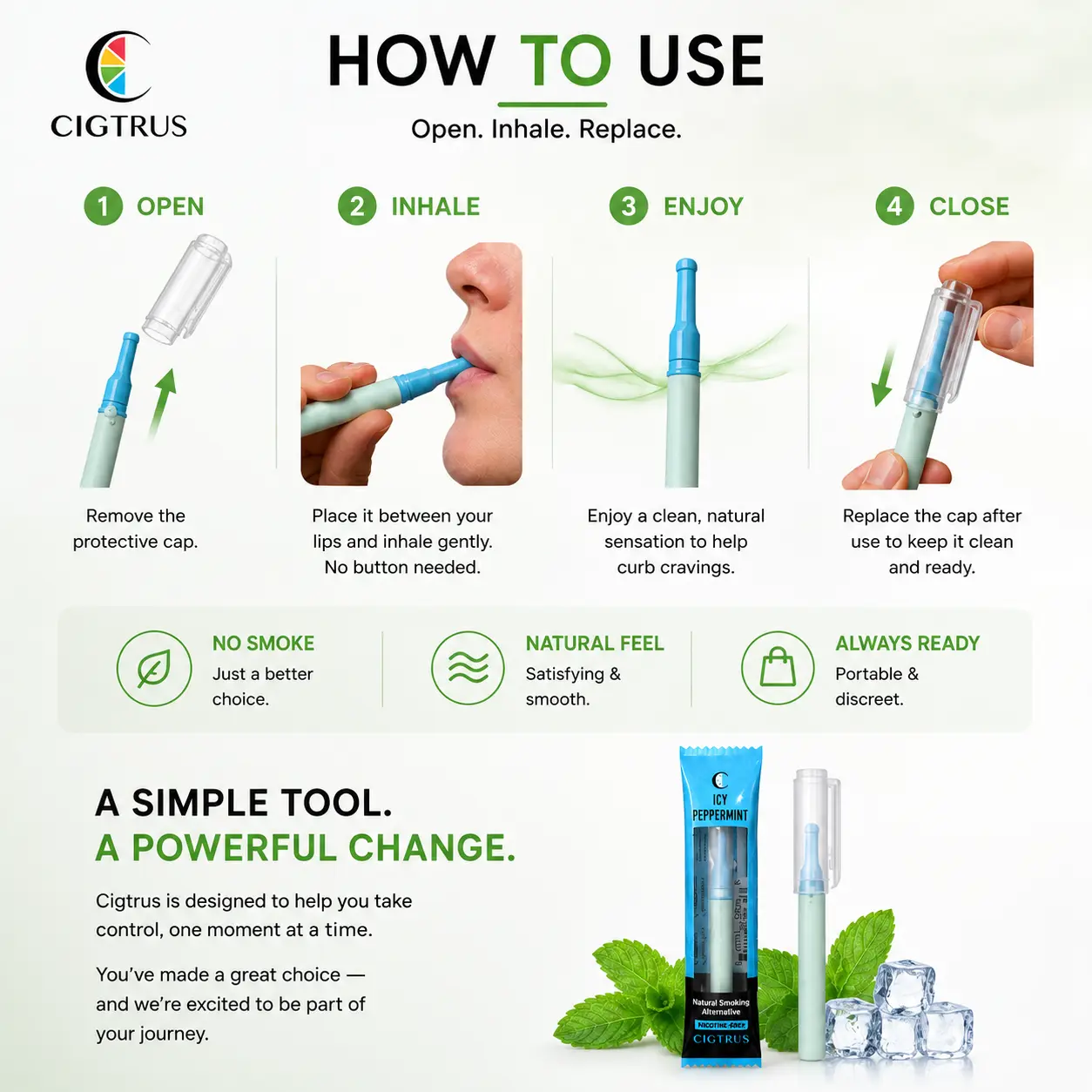
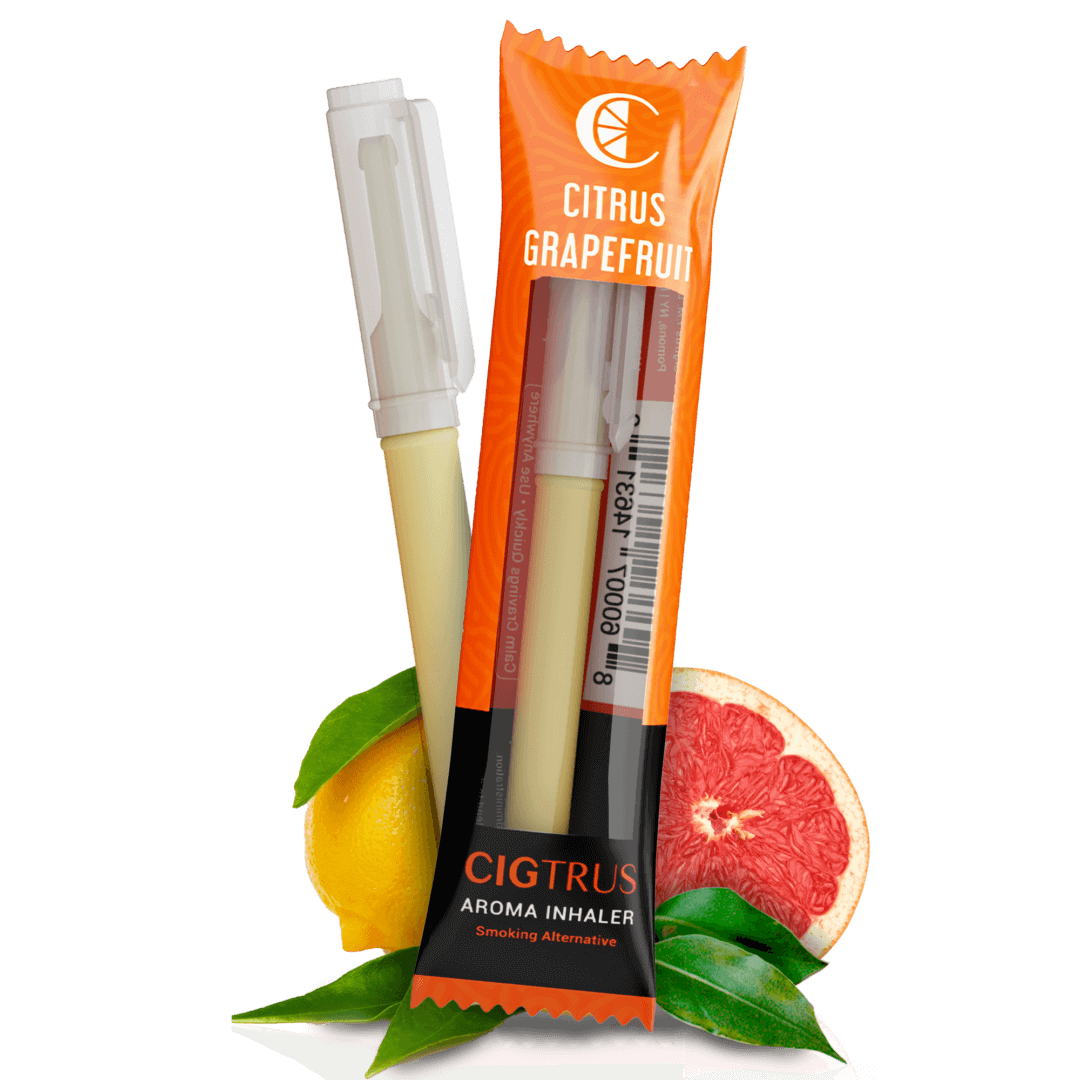
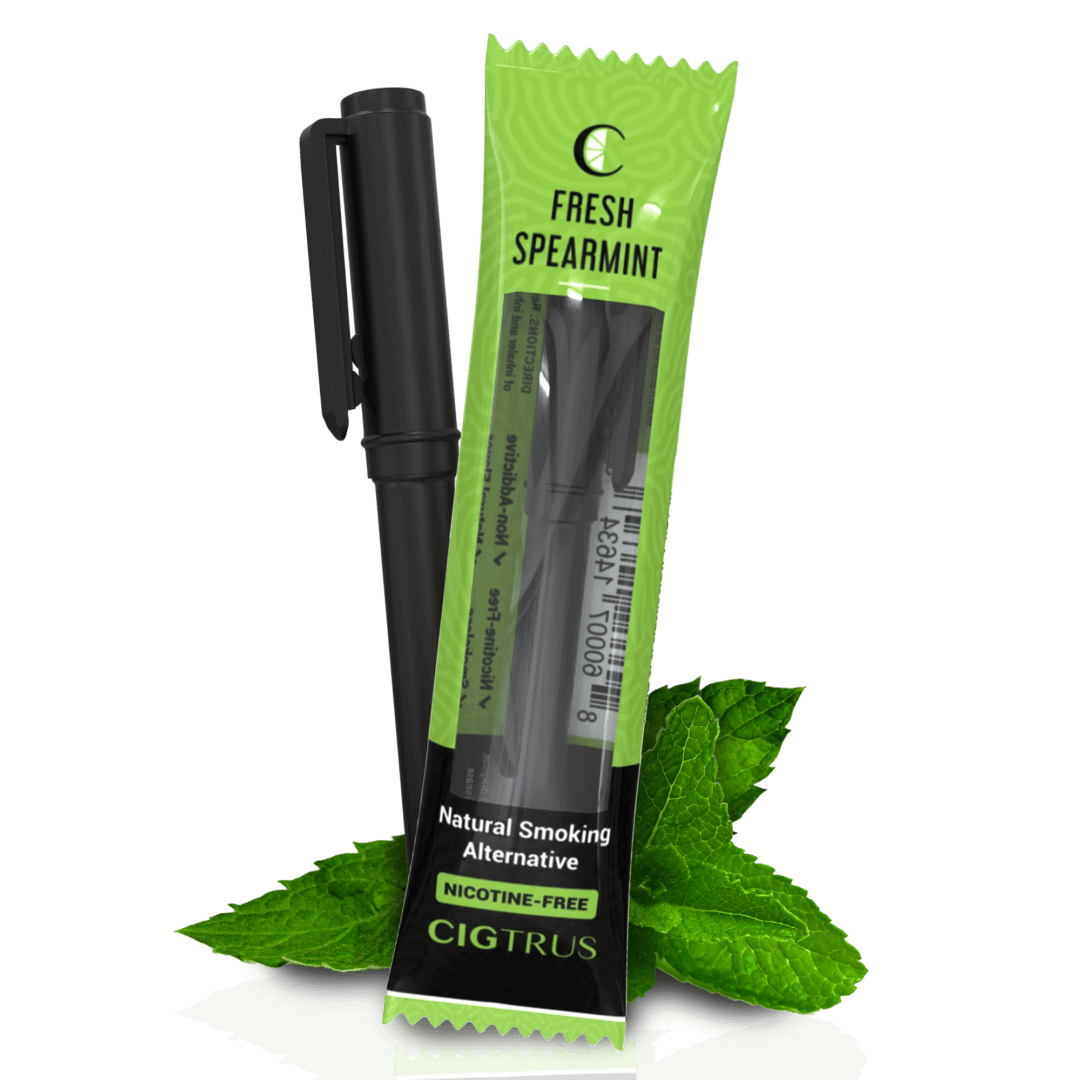
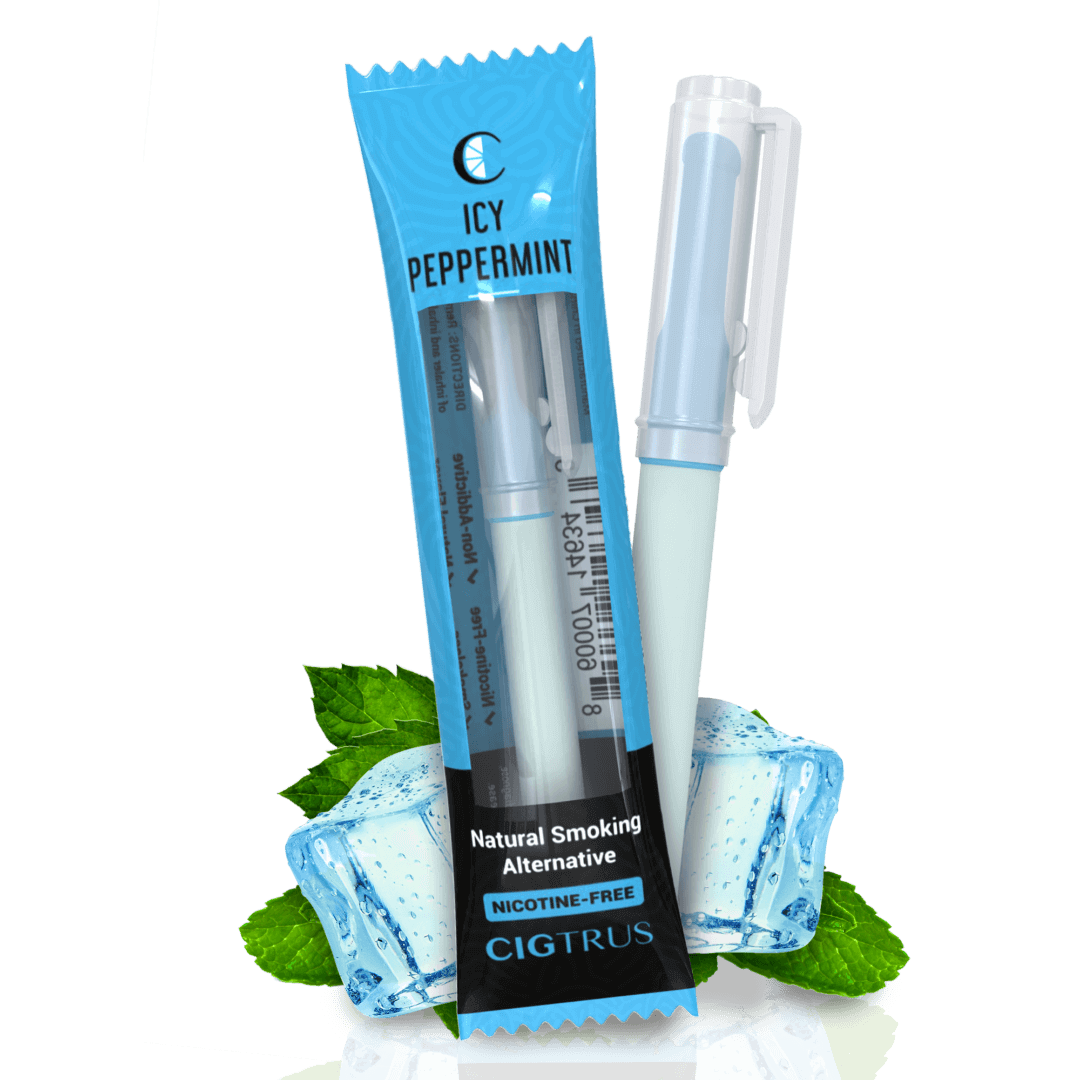
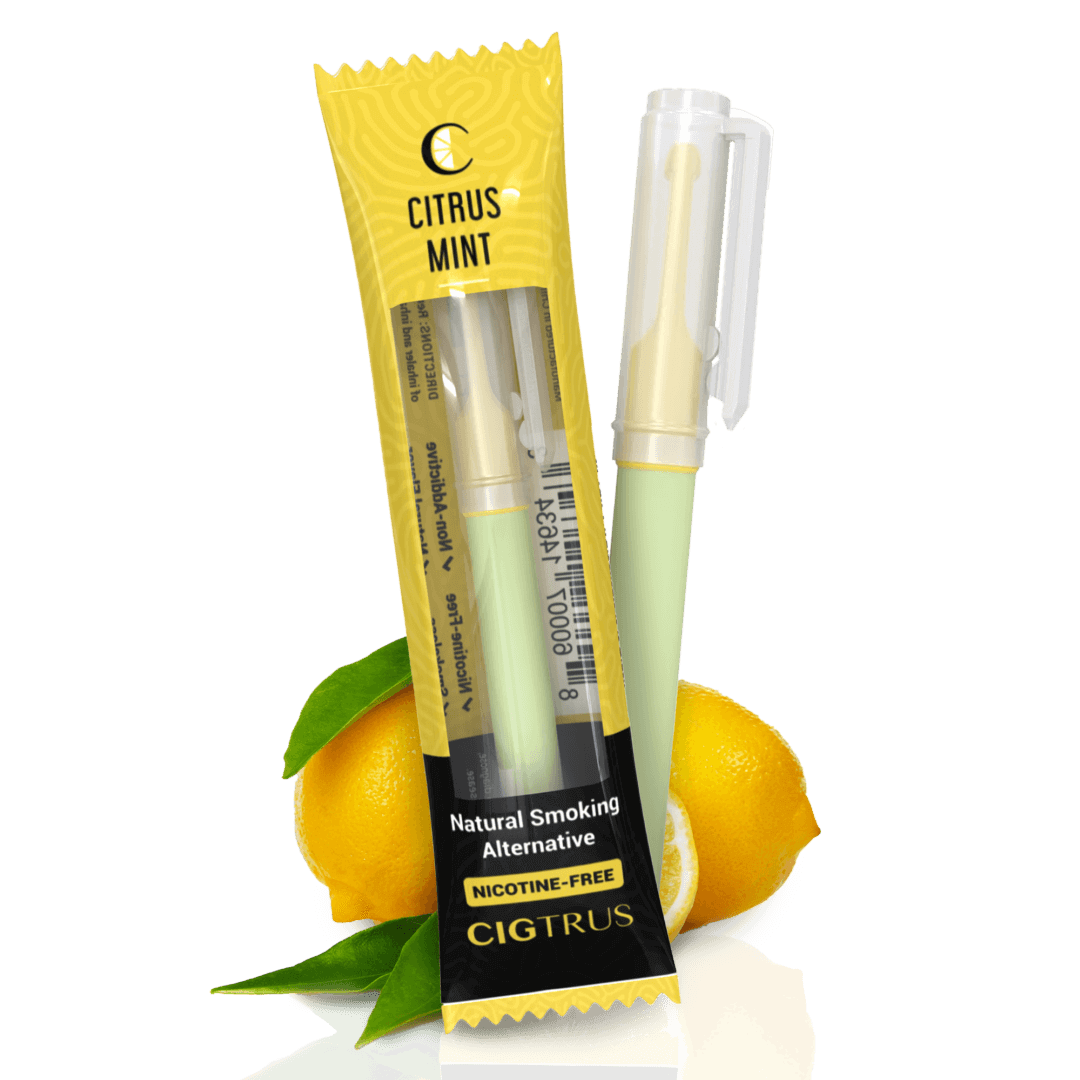
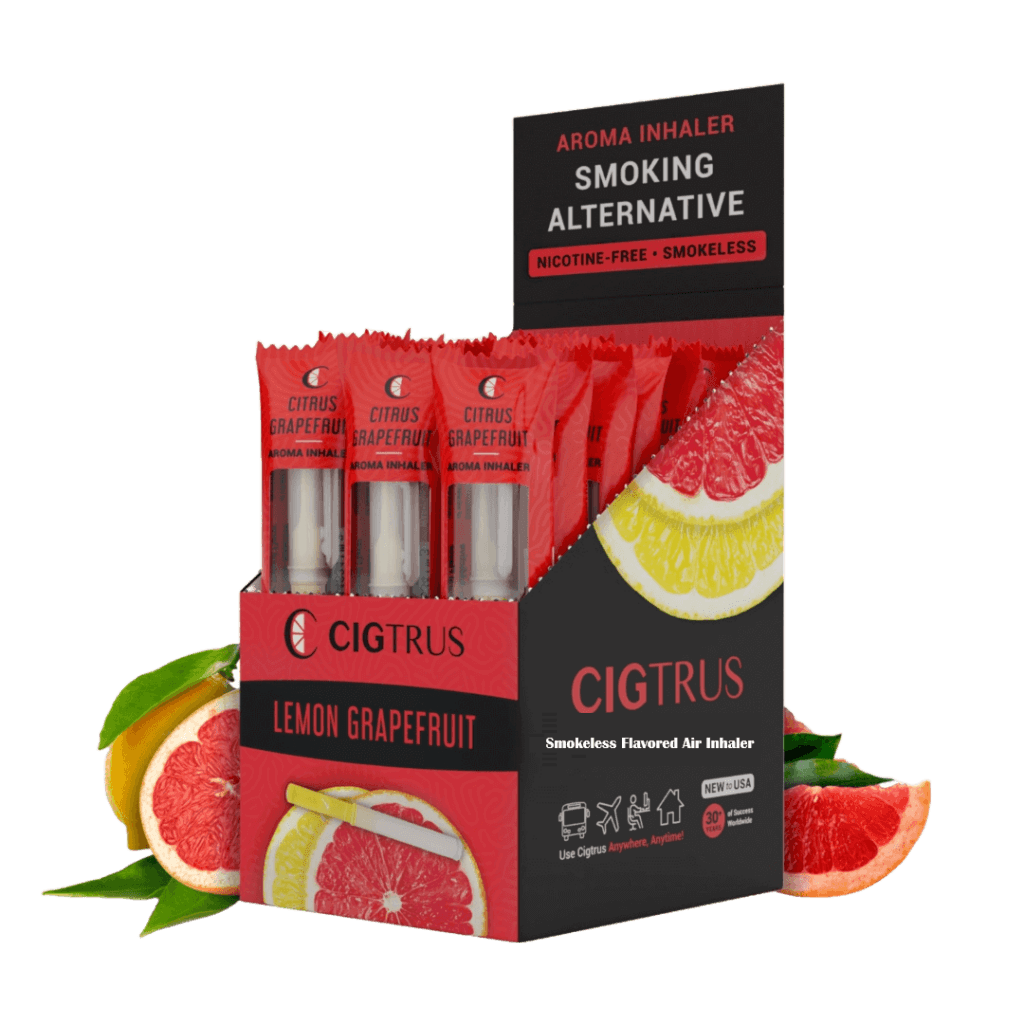
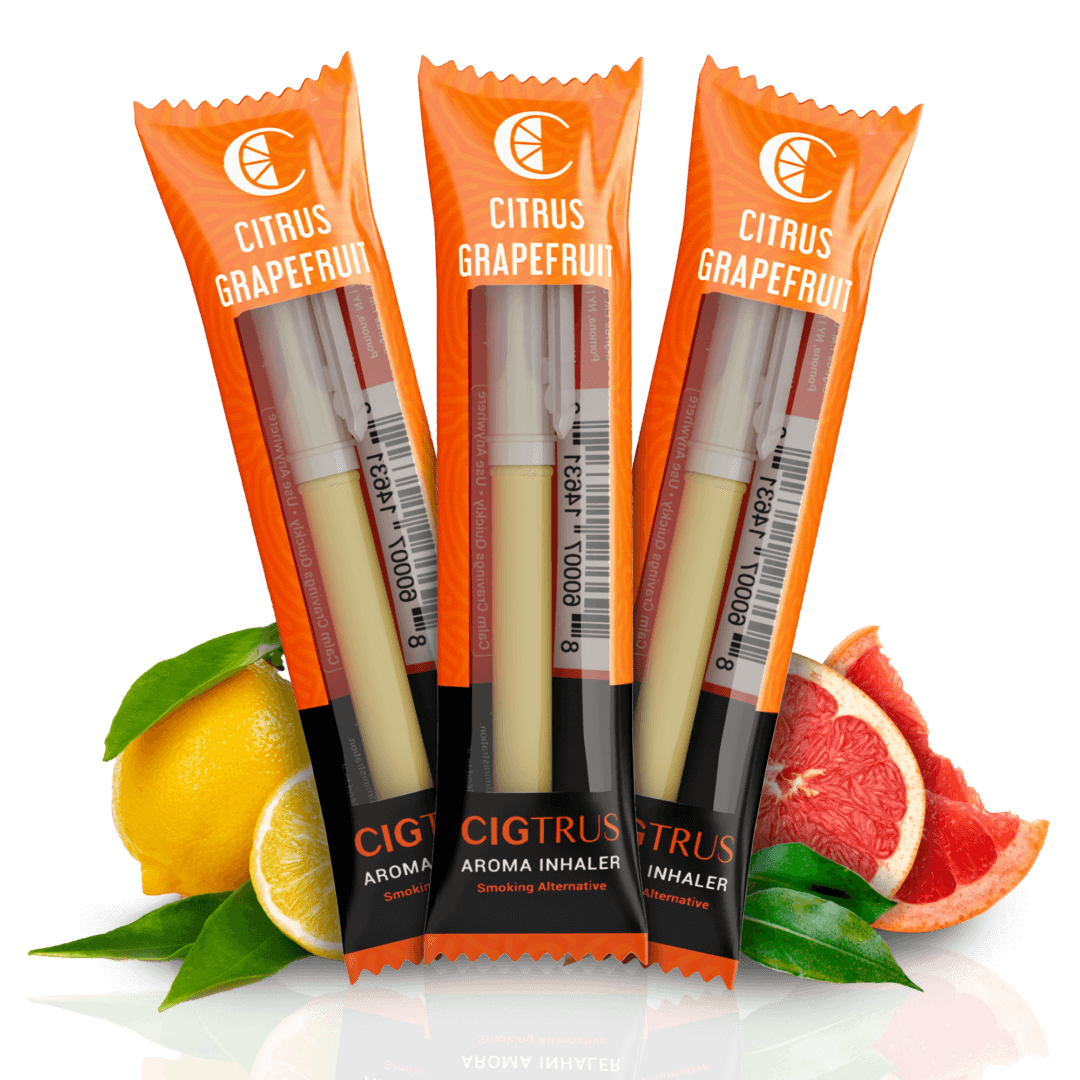
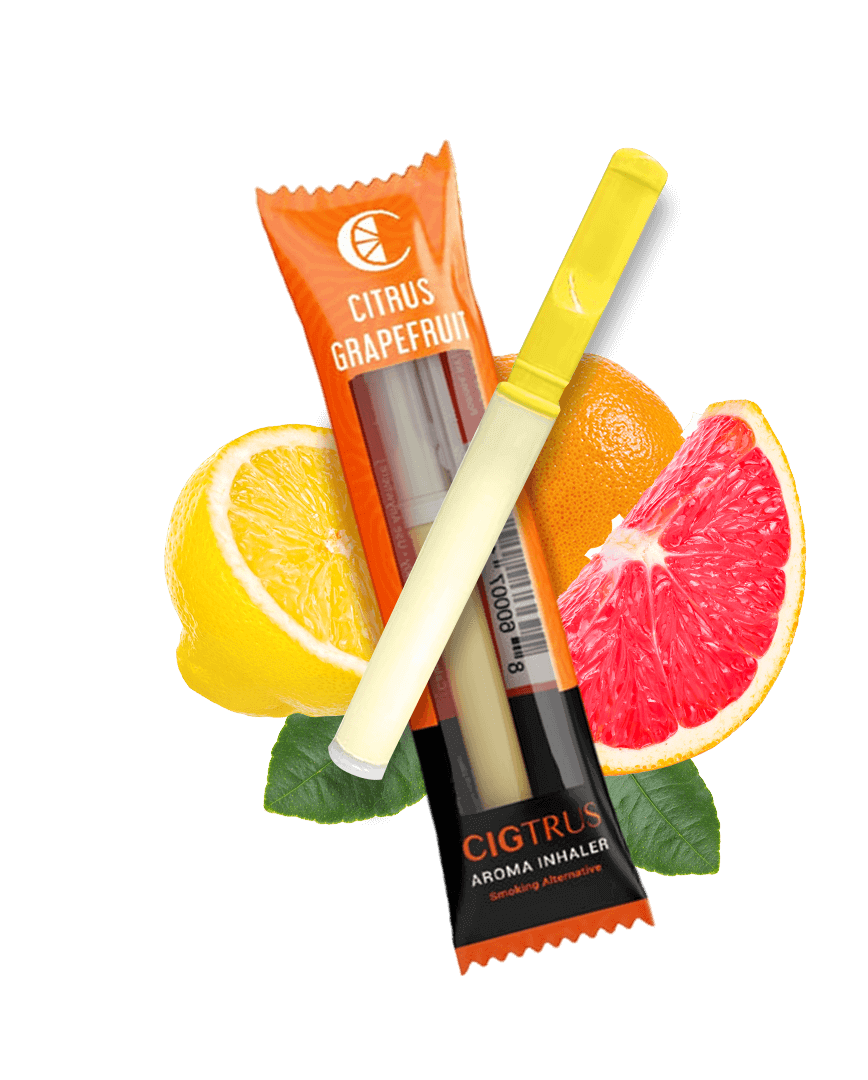
Cigtrus is a nicotine-free, smokeless, non-electric inhaler designed around supporting hand-to-mouth habit replacement, oral fixation, smoke-free routines, familiar inhalation behavior, and behavioral smoking patterns, including the stress-triggered automatic response that is hardest to intercept. Quitting smoking often becomes more achievable alongside strategies that support daily stress routine changes rather than relying on willpower alone.
Why Cigtrus Works for Stress Moments
No charging, always in your pocket the instant stress fires the trigger
No vapor, usable in any office, meeting, or indoor environment
Citrus and mint aromas, neurologically active stress and anxiety modulators
Hand-to-mouth motion, satisfies the automatic behavioral reach at every trigger
Some smokers searching for smoke-free alternatives also begin exploring nicotine-free smokeless inhalers. Find out why more smokers are switching to smokeless inhalers for stress moments specifically.
Building Long-Term Smoke-Free Stress Coping Habits
Most stress-linked smoking habits develop gradually through years of repeated emotional association. Replacing those routines takes consistency, trigger awareness, behavioral support, healthier coping routines, and realistic lifestyle adjustments, applied consistently at every stressful moment rather than only the extreme ones. Many smokers also search for practical ways to manage cravings naturally while building healthier smoke-free habits over time. Understanding how stress and repeated routines influence smoking behavior is what makes those long-term smoke-free habits actually take hold.
Frequently Asked Questions
Why does stress trigger smoking cravings?
Stress repeatedly fires the familiar behavioral smoking routine through years of repeated association, so the automatic reach fires before conscious awareness can intercept it.
Are smoke-free alternatives only for quitting smoking?
No. Many adults use smoke-free alternatives specifically during stressful situations and environments where smoking or vaping is unavailable, not only during active quit attempts.
What is behavioral habit replacement at stress moments?
Replacing repeated smoking routines at stress triggers with healthier smoke-free behaviors, so the automatic behavioral response has somewhere clean to go when stress fires.
Why are smokeless inhalers becoming more popular for stress?
Many adults want smoke-free behavioral alternatives that are always ready, unrestricted, and pocket-sized, precisely the qualities that matter most when stress triggers fire unexpectedly.
What makes smokeless inhalers different from vapes?
Smokeless inhalers are non-electric and produce no vapor. They support behavioral habit replacement through natural aroma, usable anywhere vaping is banned, including every stressful indoor moment.
Ready for Every Stressful Moment. Always.
No vapor, no nicotine, no restrictions, the behavioral tool that gives every stress trigger a clean response.
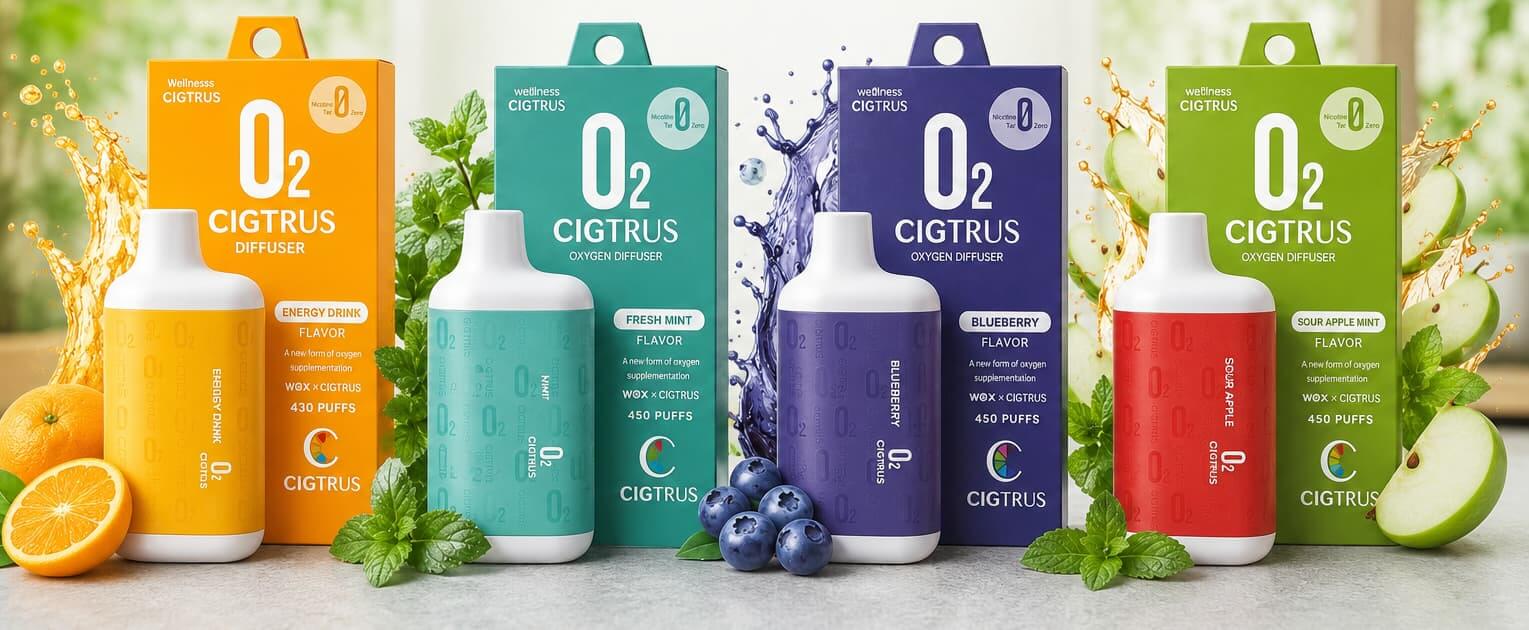
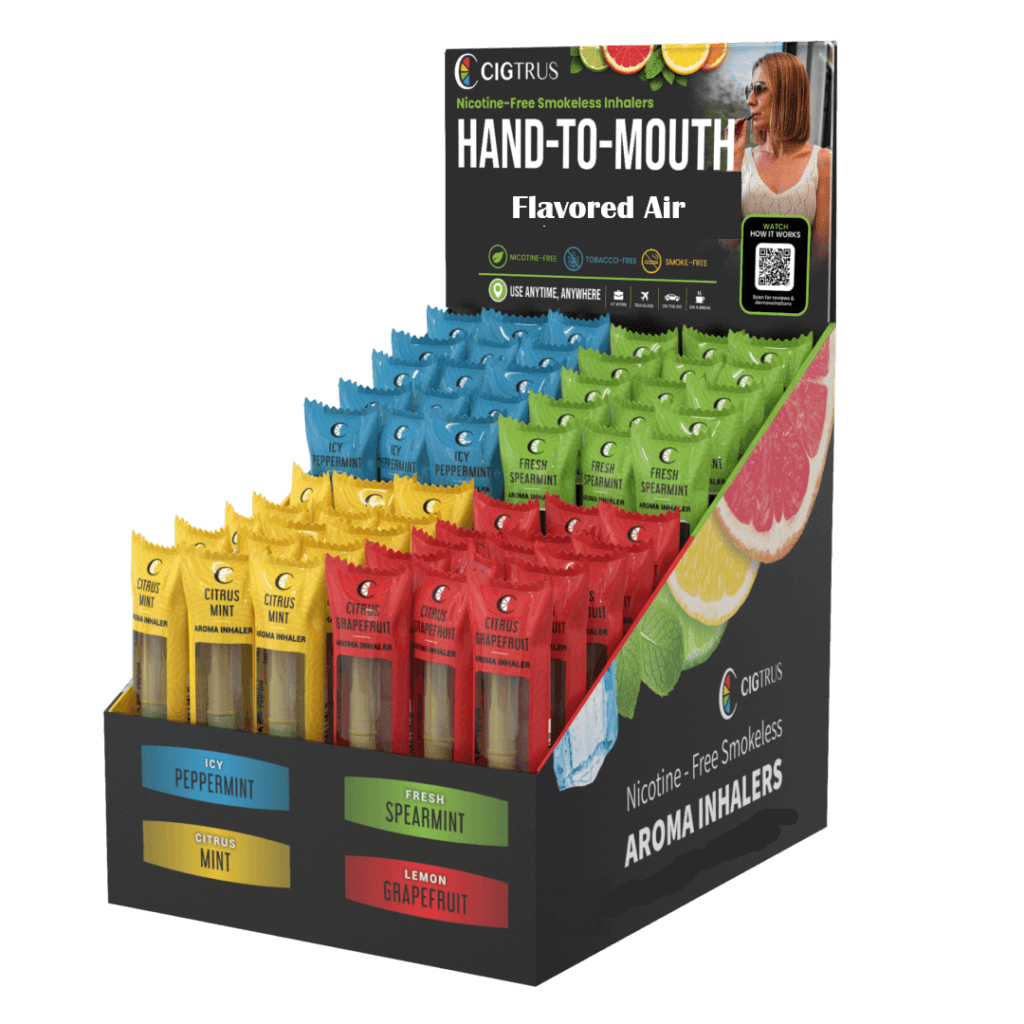
👉 Try the Variety Pack