Help! I Want to Quit Smoking!
Congratulations on making the decision to quit smoking. This is a monumental step toward improving your health and well-being, and you are absolutely capable of doing it.
The journey to becoming smoke-free can be challenging, but it is also one of the most rewarding decisions you will ever make. This guide covers everything you need to prepare, cope with cravings, handle the behavioral side of smoking, and stay smoke-free for the long term.
Understanding the Challenge
Quitting smoking is no small feat. Nicotine creates physical dependencies that are real and difficult. But knowing the challenges ahead can prepare you for the journey, and the most important thing to understand is that smoking is not only a nicotine problem.
Cigarettes become connected to routines, emotions, stress, and repeated daily habits over years of repetition. That is why many people continue struggling even after nicotine levels begin leaving the body, the emotional and behavioral side of smoking outlasts the chemical withdrawal.
Why Quit Smoking?
Before diving into the how, it helps to remind yourself why you are doing this. Your reasons are your fuel when cravings get tough.
Health Benefits
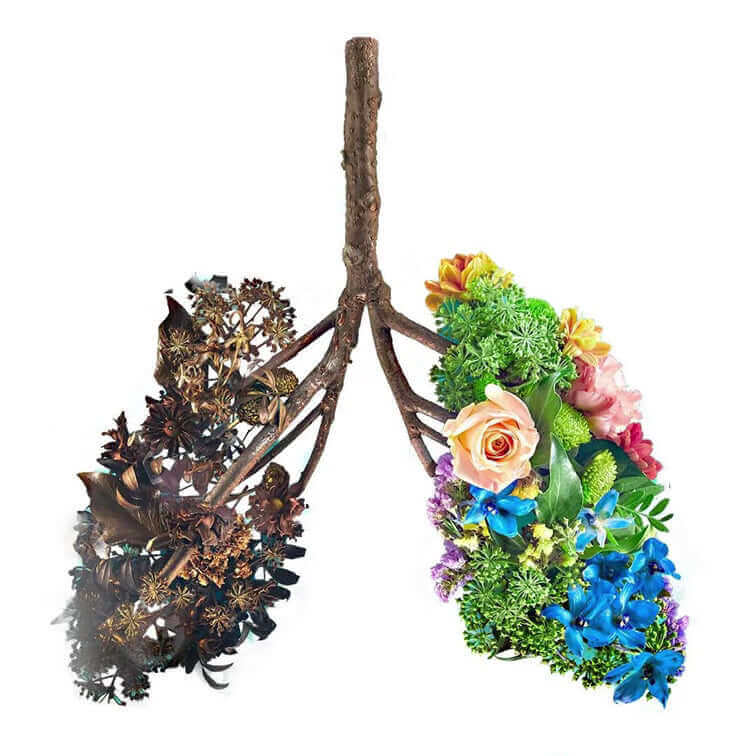
Quitting reduces the risk of heart disease, stroke, lung cancer, and respiratory illness, improvements begin within days.
Better Quality of Life
More energy, improved sense of taste and smell, better sleep, and improved overall daily health and fitness.
Financial Savings
Smoking is expensive. Quitting frees up a significant amount of money every week, month, and year.
Protecting Loved Ones
Secondhand smoke harms the people around you, especially children. Quitting protects everyone close to you.
Preparing to Quit
Preparation is the foundation of a successful quit attempt. The smokers who succeed are not necessarily the most disciplined, they are the most prepared. Here is how to set yourself up properly before your quit date.
Set a Quit Date
Choose a date within the next two weeks. Close enough to keep momentum, far enough to prepare properly without losing motivation.
Tell Friends and Family
Inform your support network. Their encouragement and understanding during difficult moments can make a real difference.
Remove Triggers
Get rid of cigarettes, lighters, and ashtrays. Remove anything that reminds you of smoking from your immediate environment.
Identify Triggers and Plan Alternatives
Know exactly when and why you smoke. Plan a specific replacement for each trigger moment, a gap with nothing in it gets filled by a cigarette.
Choosing a Quit Method
There are several approaches to quitting smoking. The best one is the one that addresses both the physical and the behavioral side of your habit. Here are your main options:
- Behavioral Habit Replacement, replacing the physical routine of smoking with a clean alternative that gives the hands and mouth somewhere to go
- Cold Turkey, stopping all at once; challenging but effective for some people with strong motivation and support
- Gradual Reduction, slowly reducing the number of cigarettes each day until you reach zero
- Nicotine Replacement Therapy (NRT), patches, gum, and lozenges address nicotine but leave the behavioral side untouched
- Prescription Medications, bupropion and varenicline can reduce cravings; consult your doctor for guidance
- Behavioral Therapy, working with a counselor or support group for strategies and emotional support
“The smokers who struggle most are the ones who only address nicotine. The ones who succeed are the ones who also replace the hand-to-mouth routine, the familiar pause, the behavioral ritual that cigarettes built over years.”
How Cigtrus Supports the Quit Journey
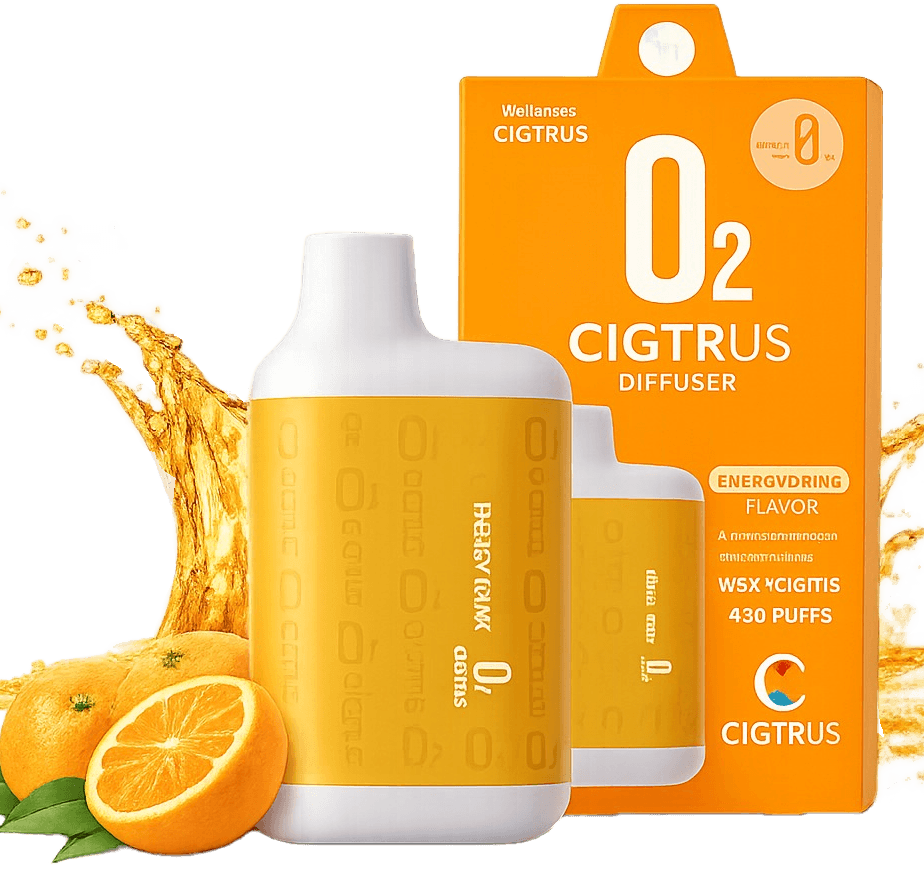
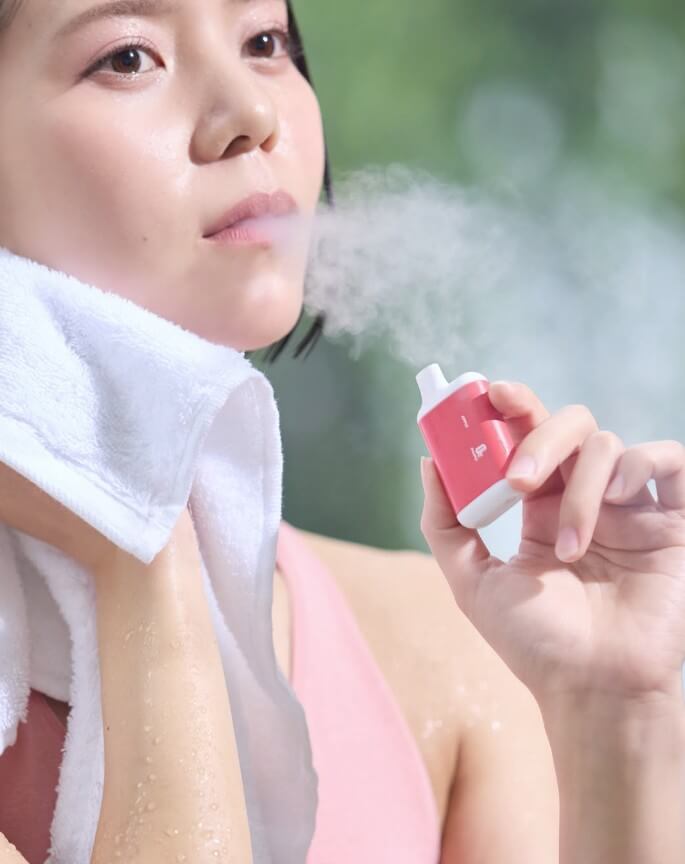
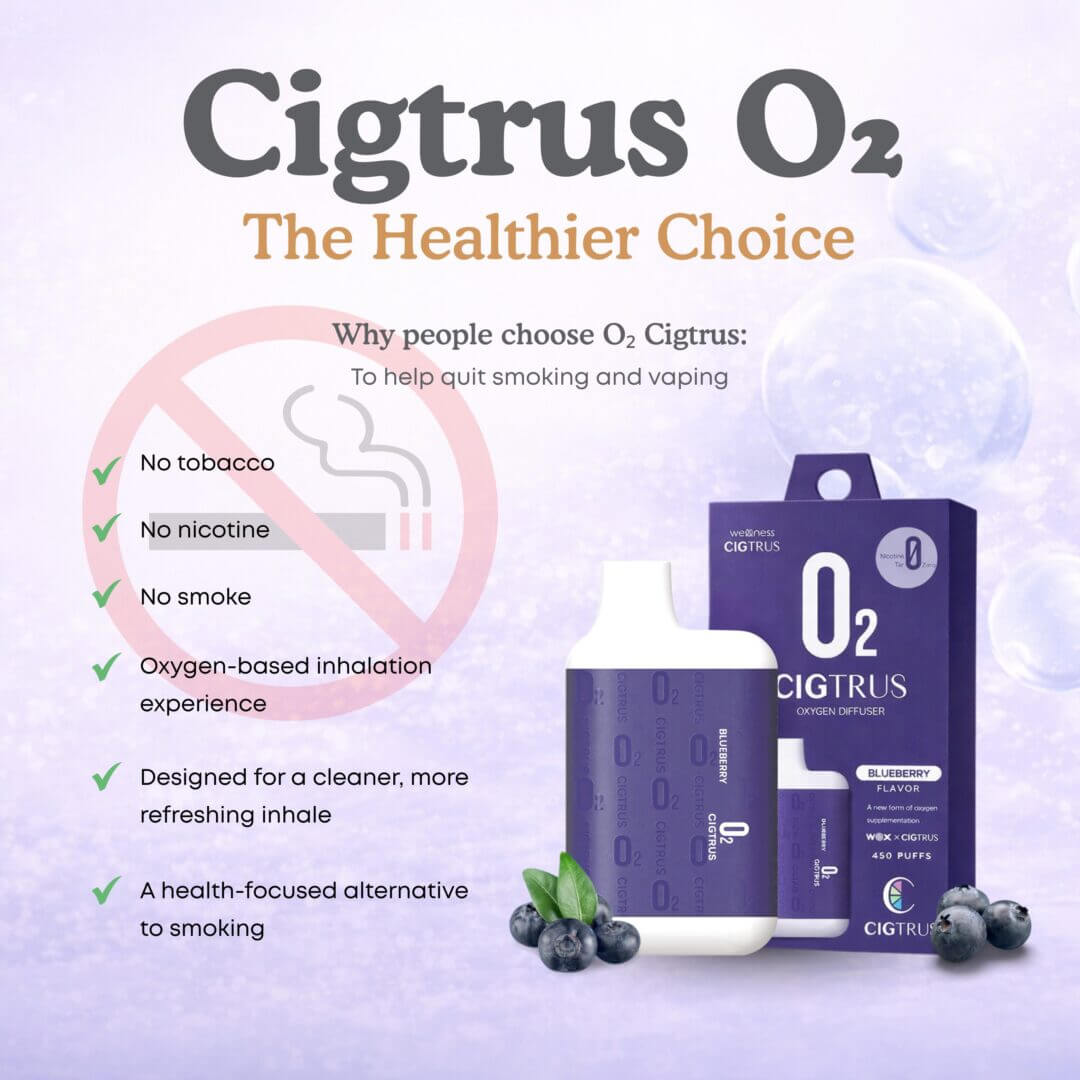
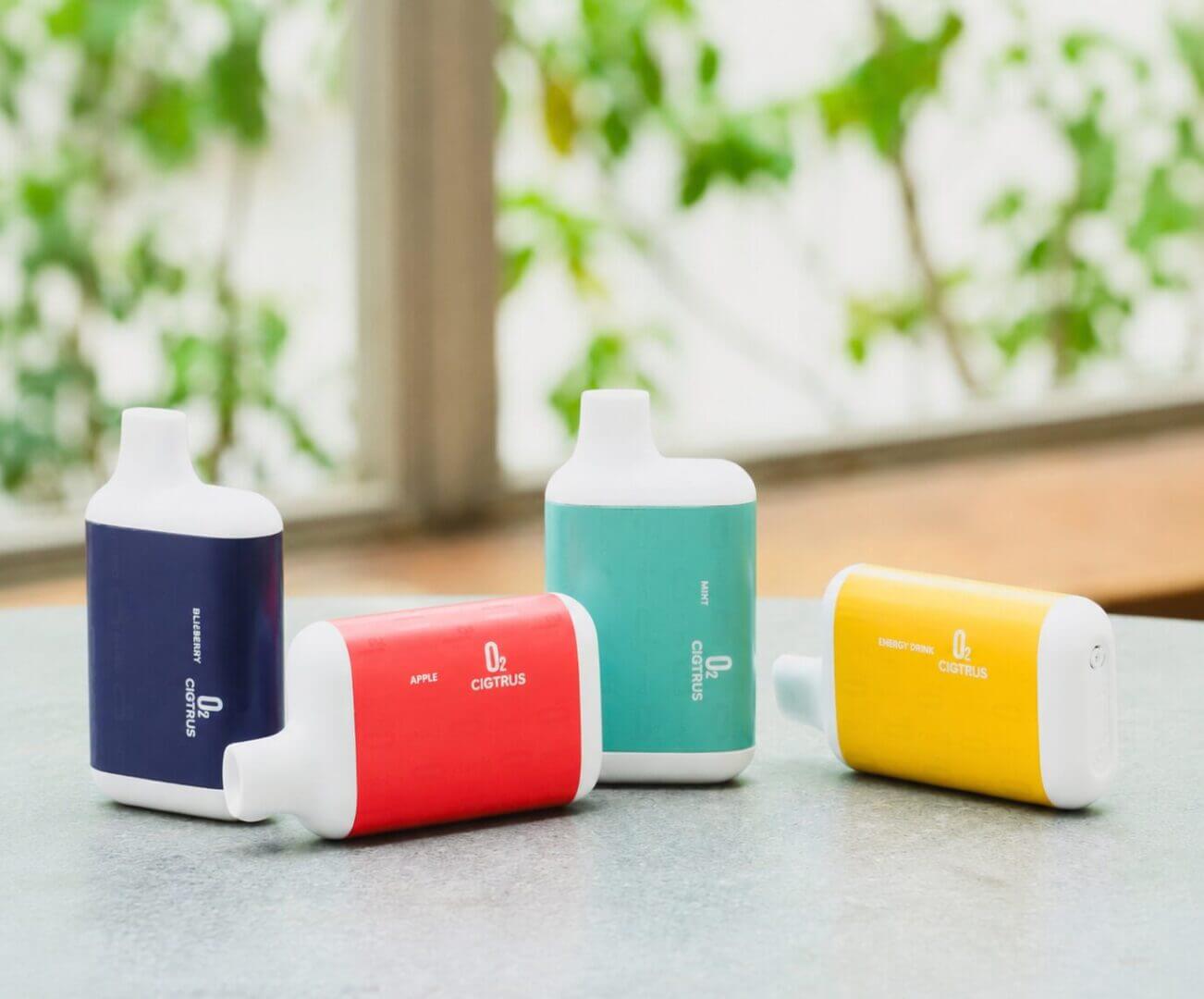
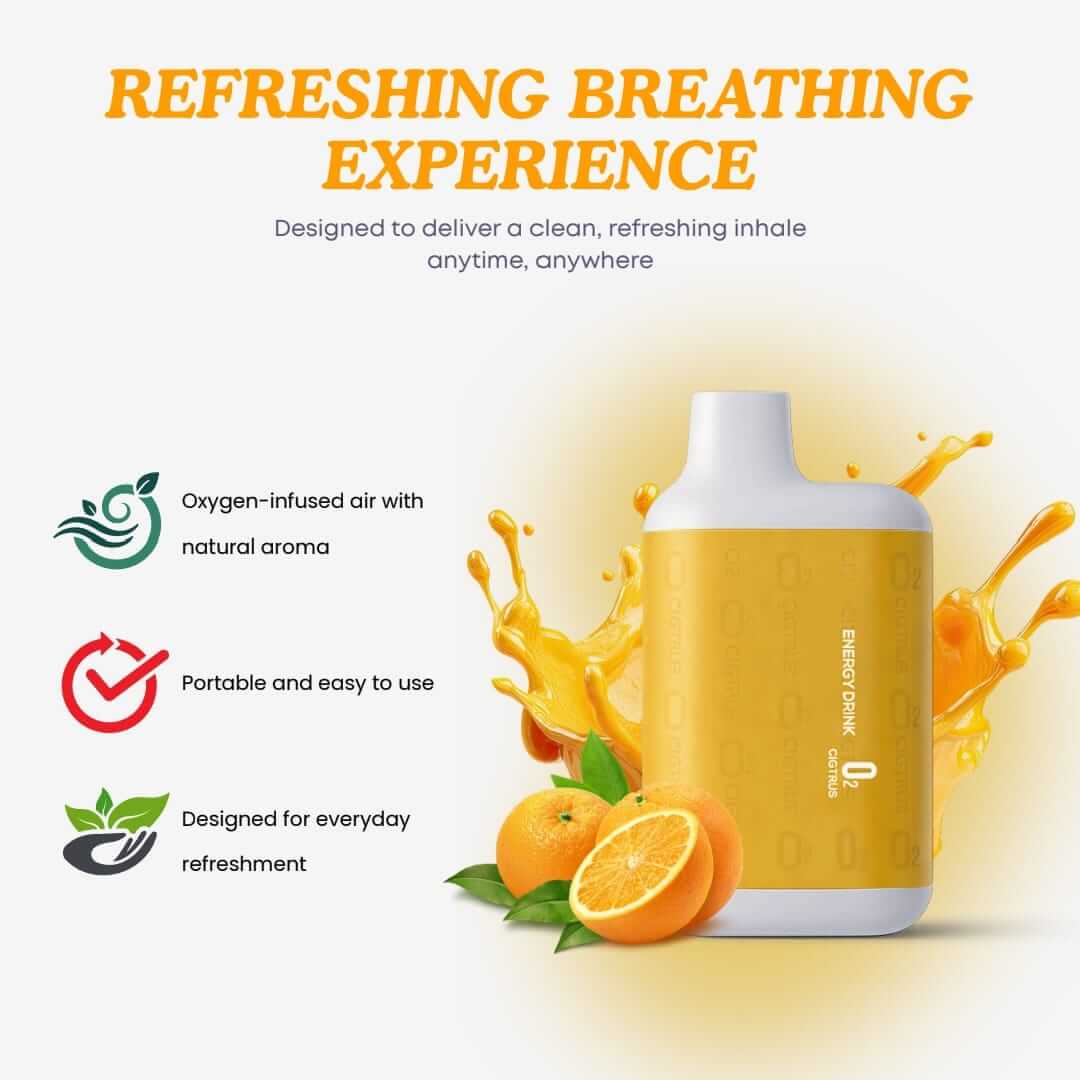
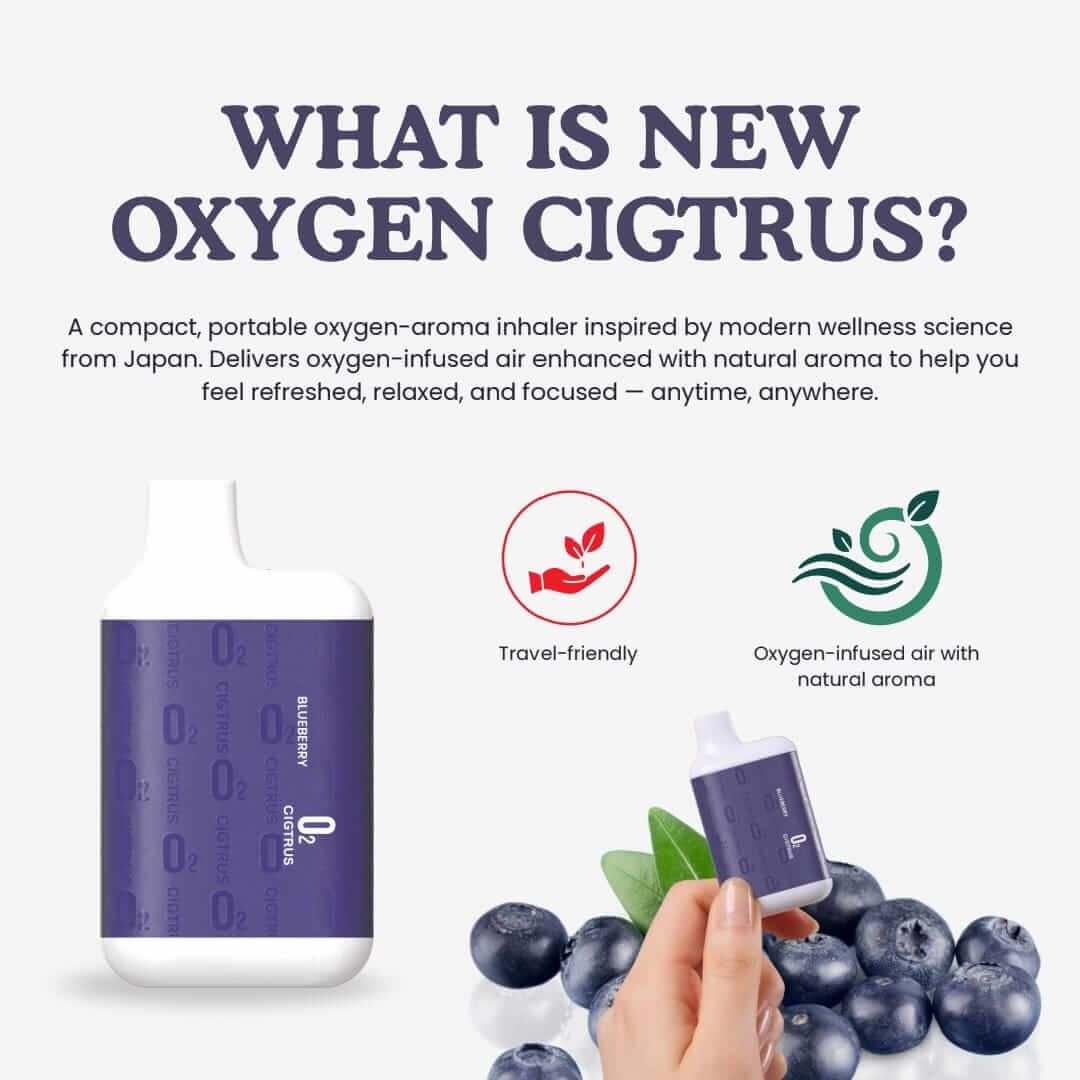
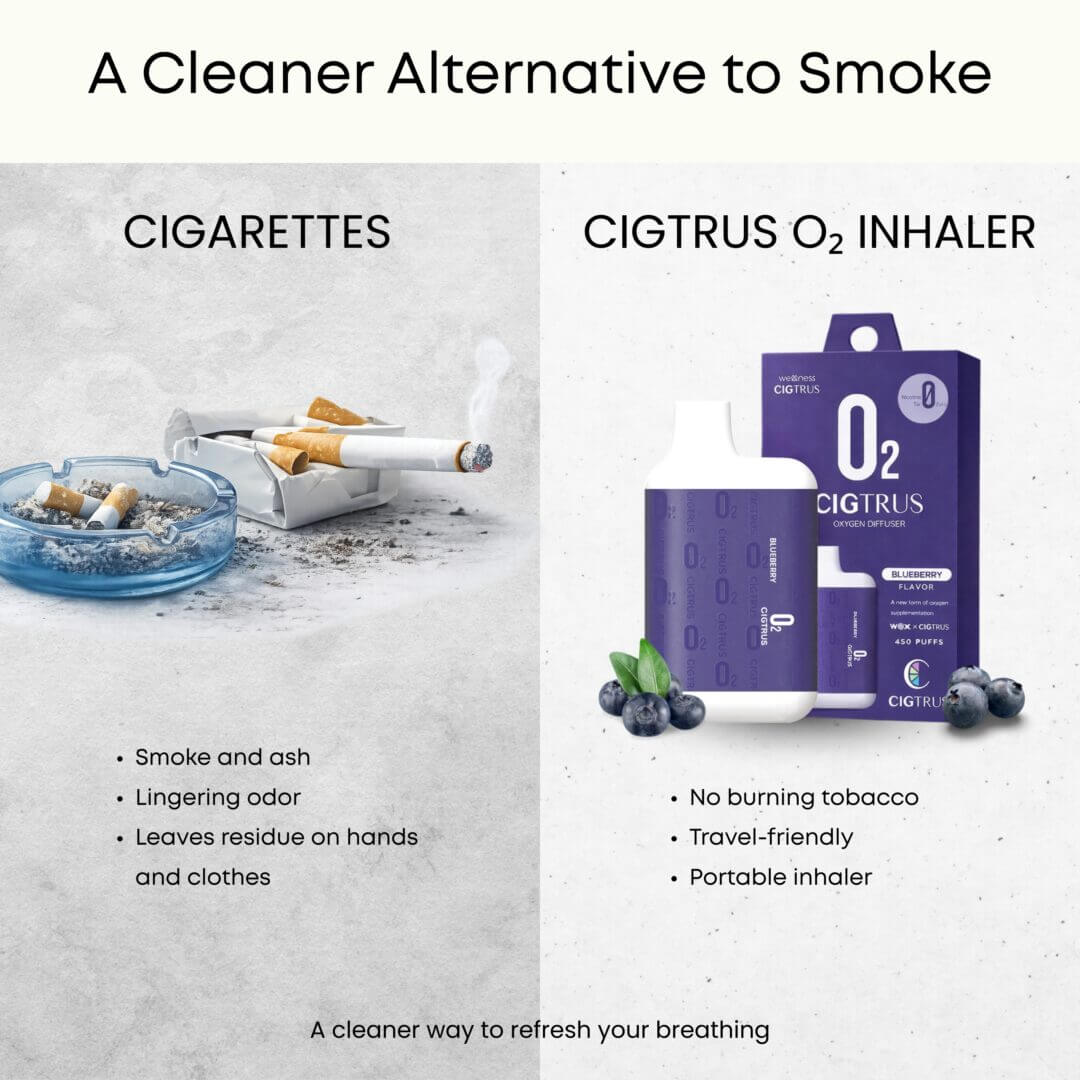
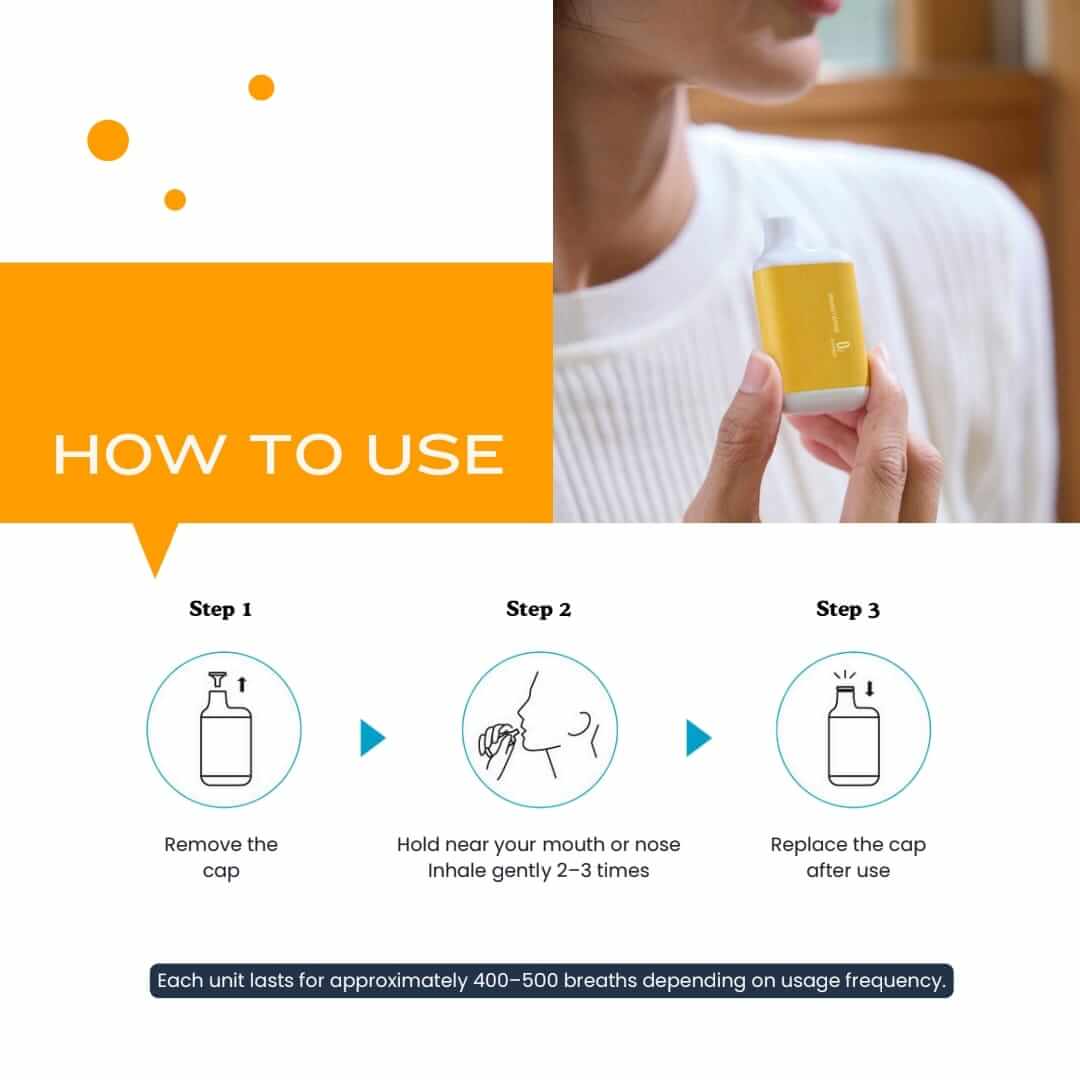
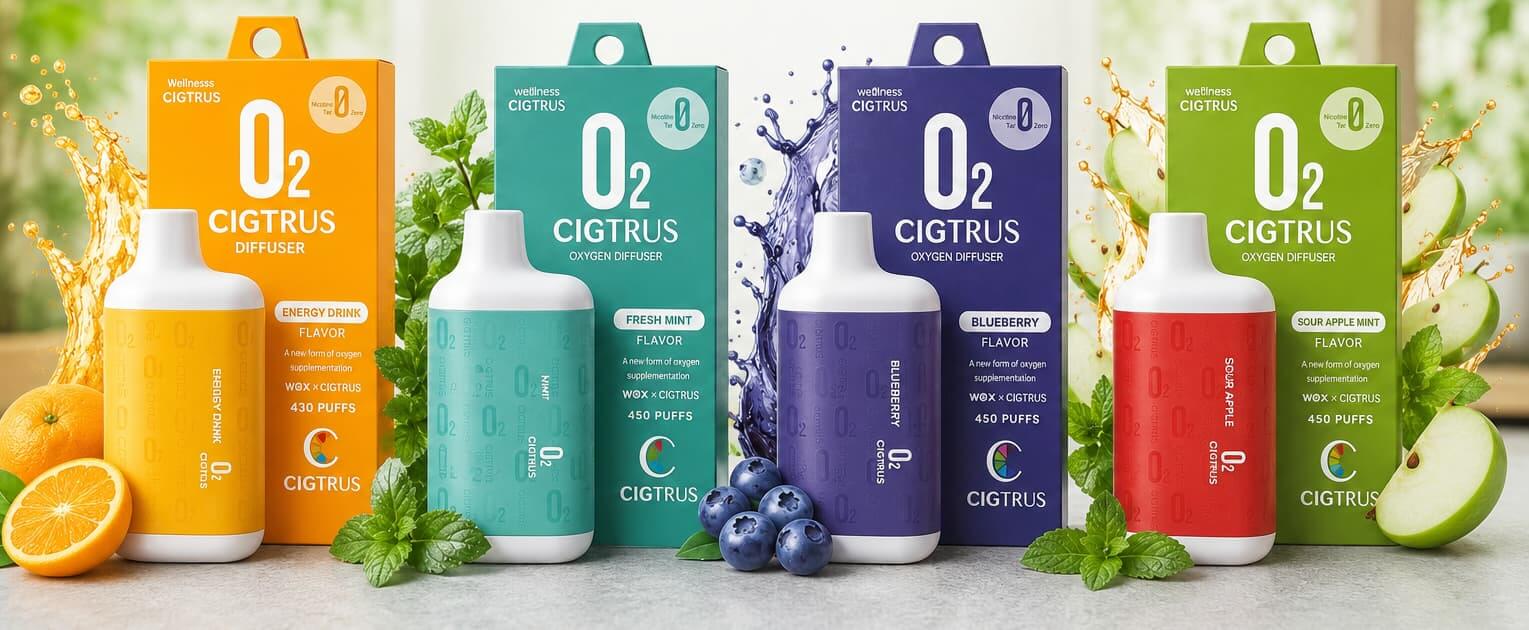
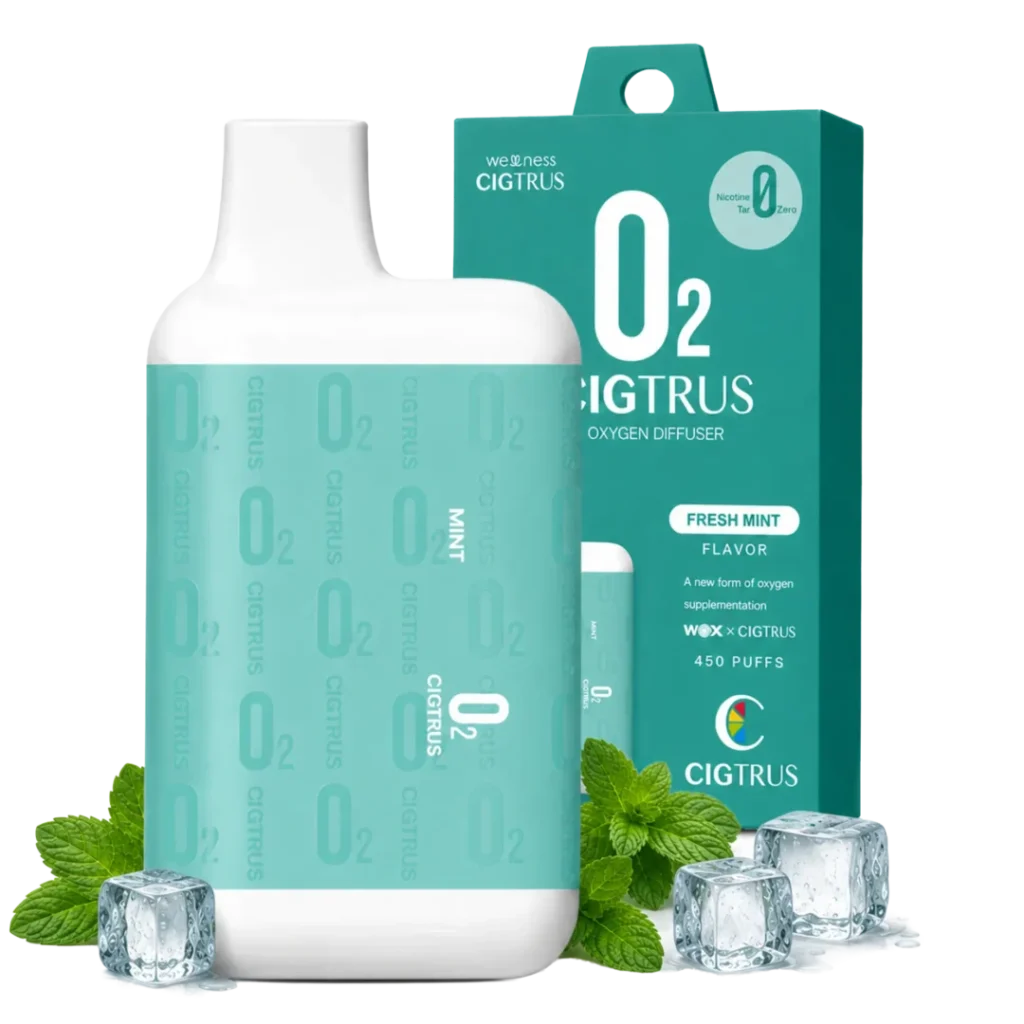
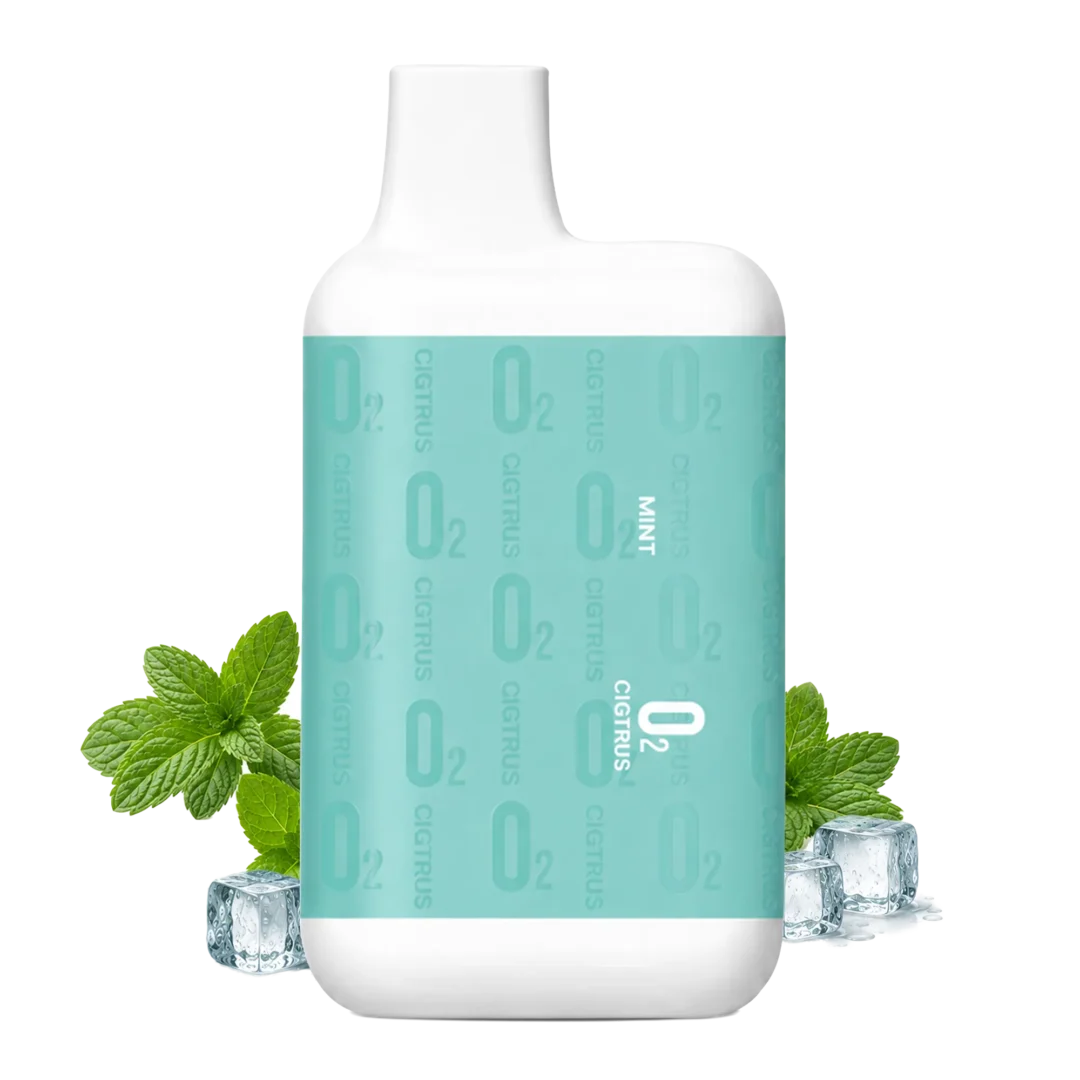
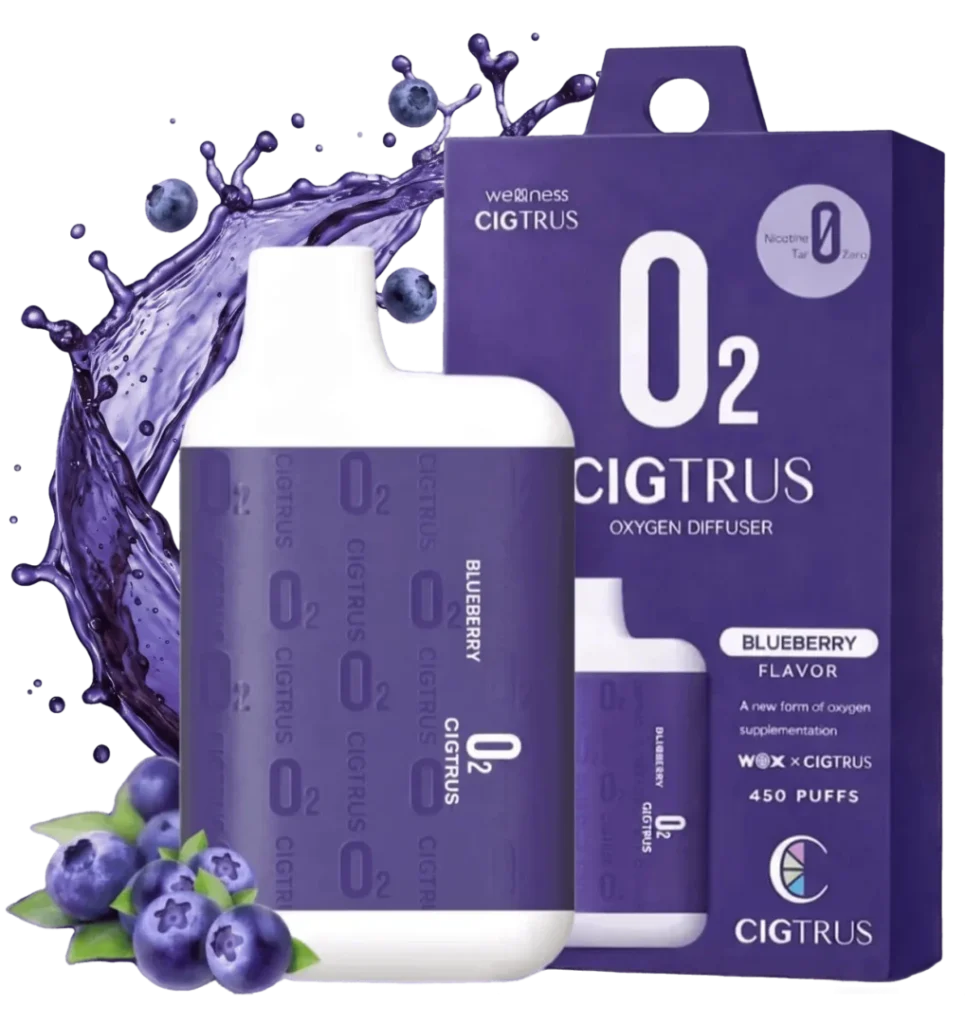
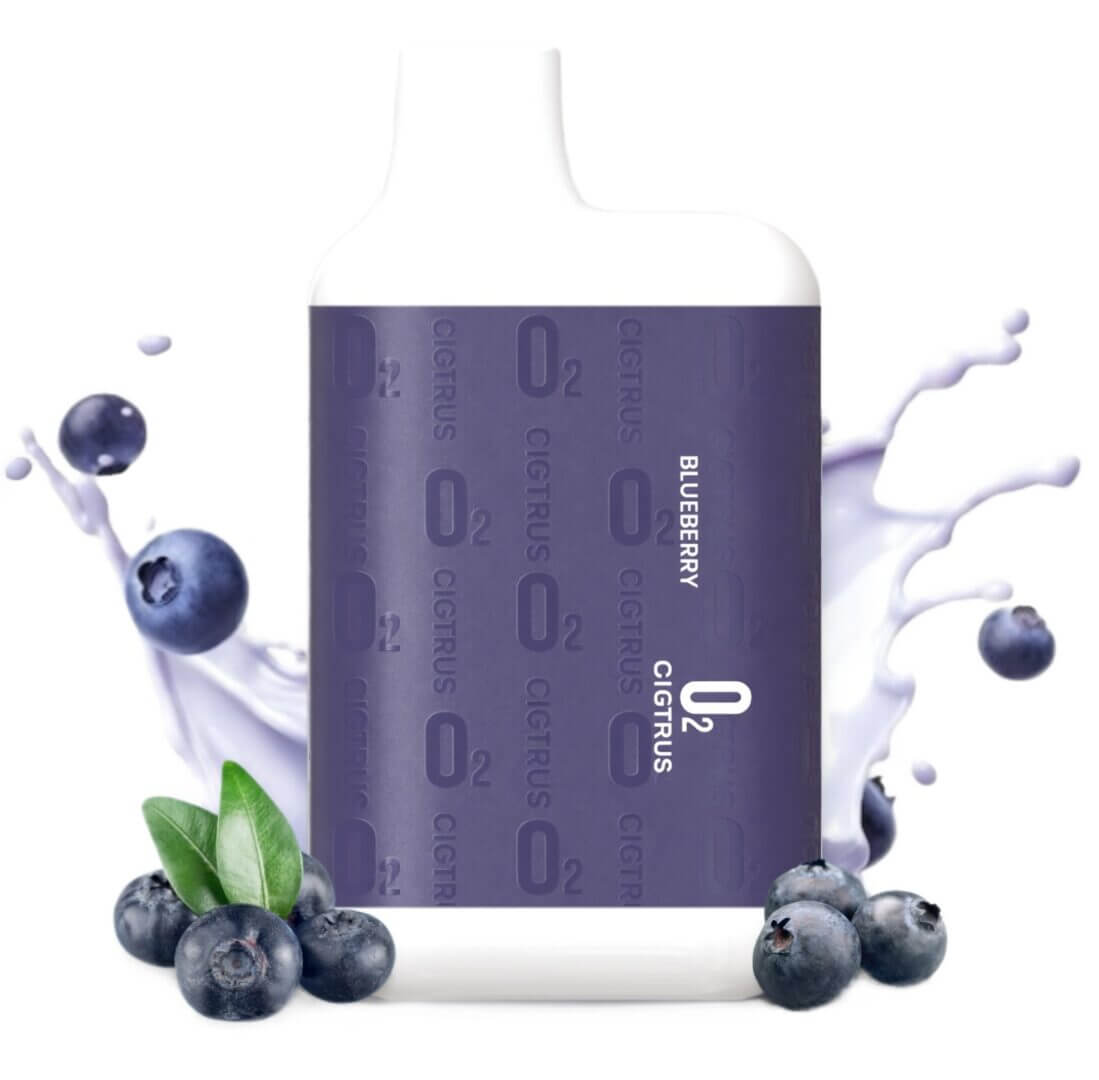
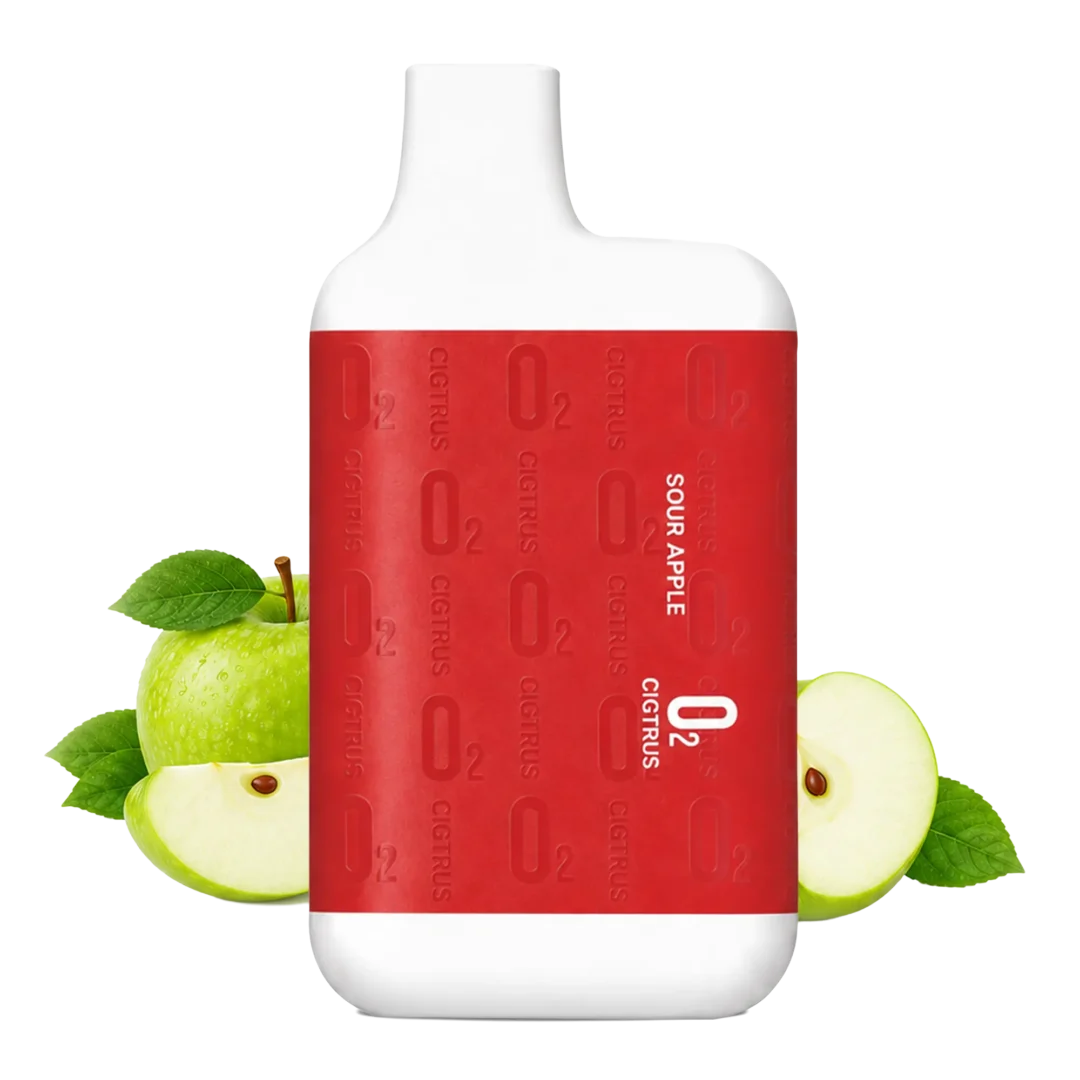
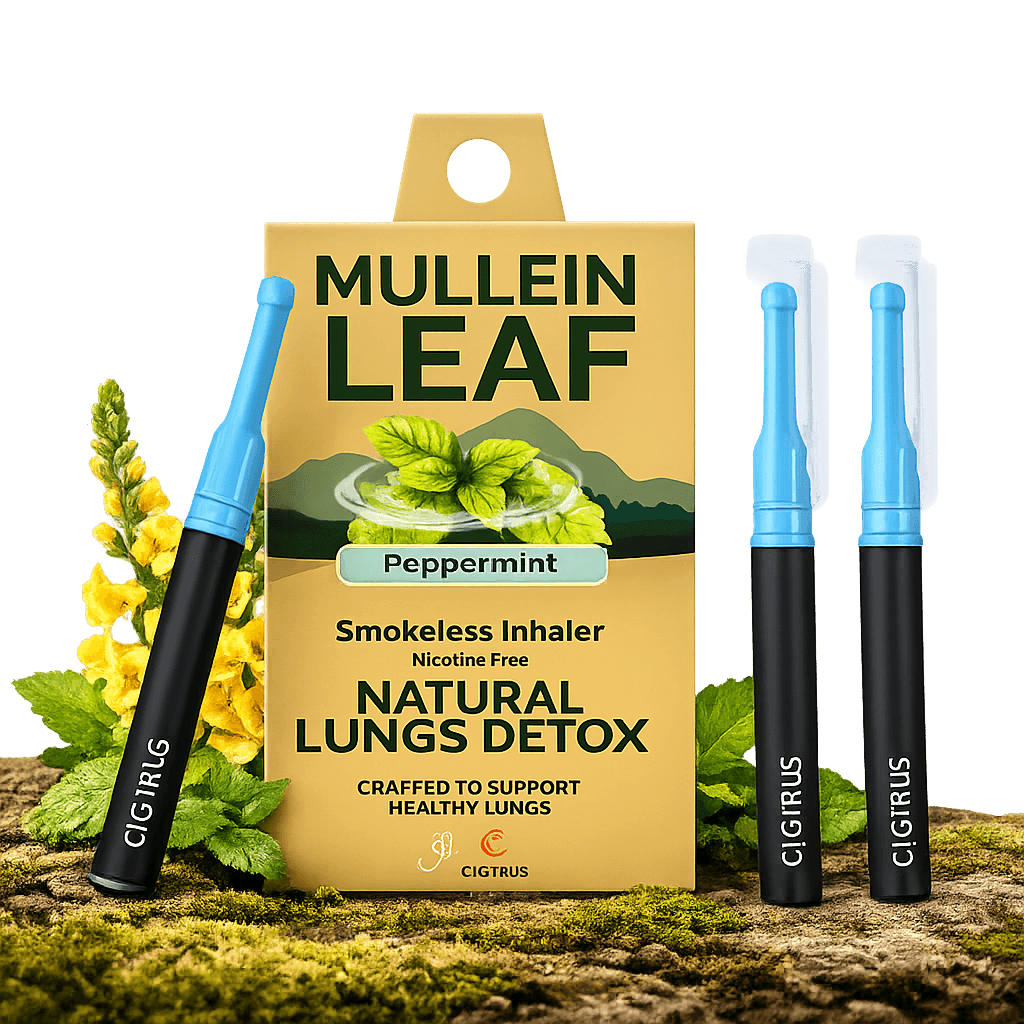
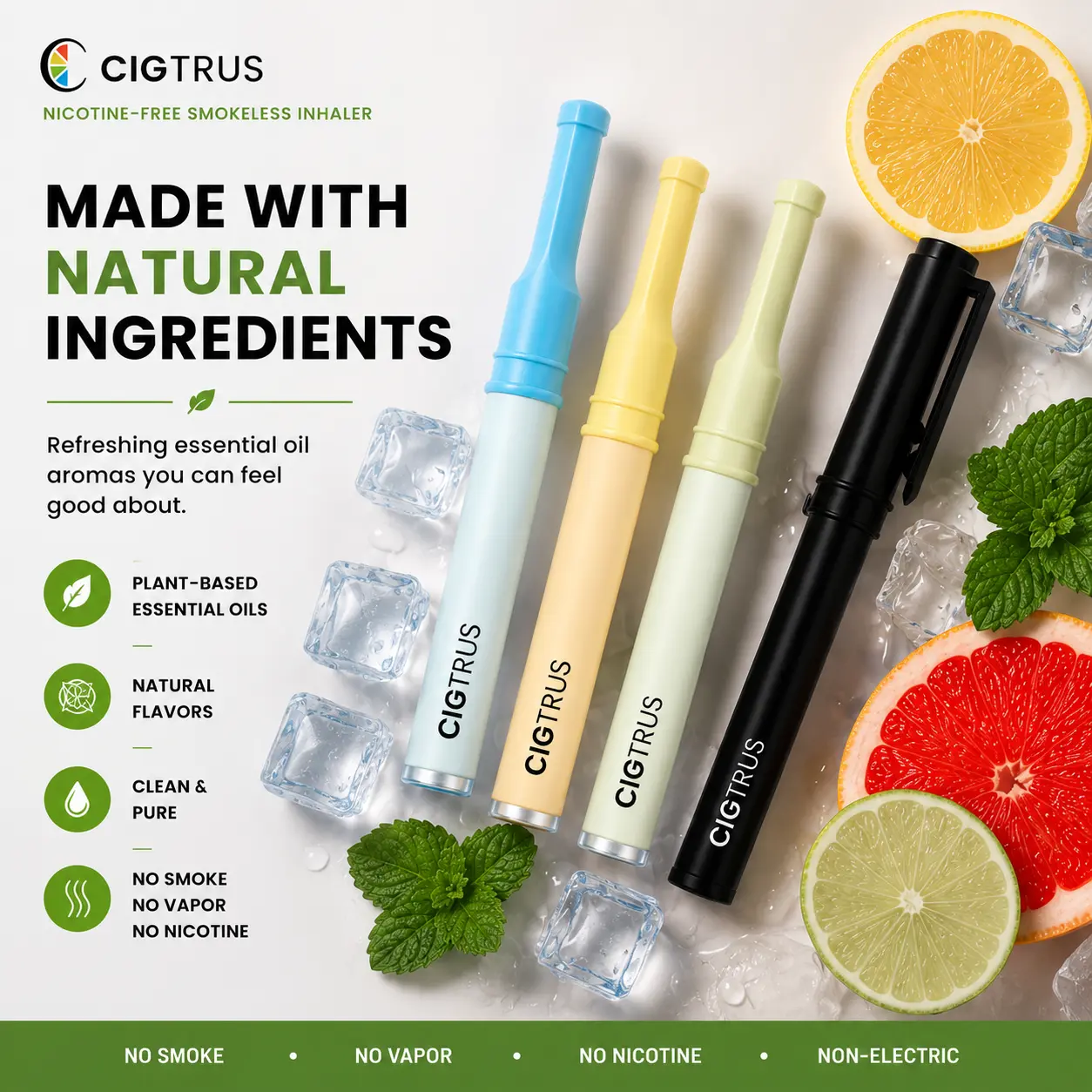
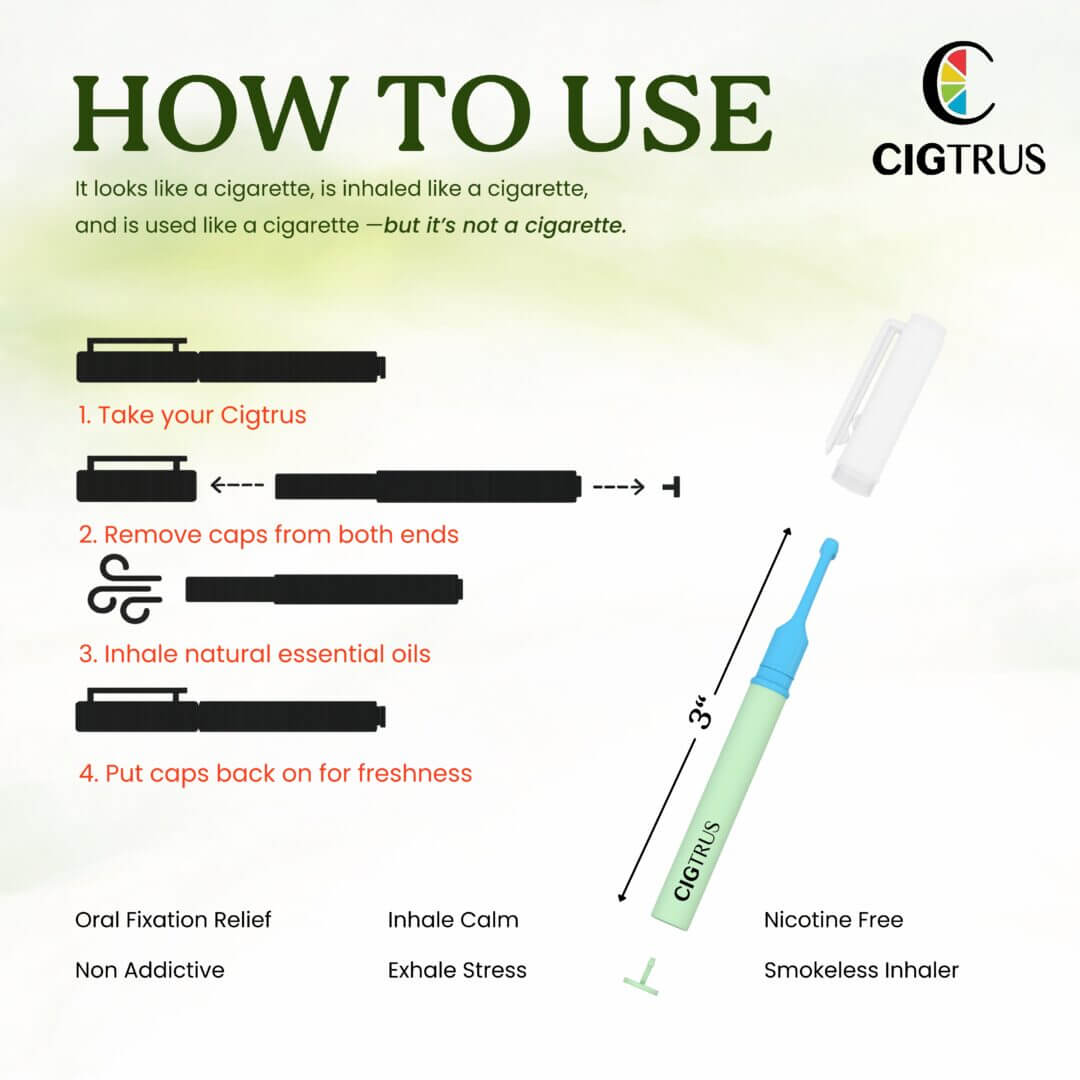
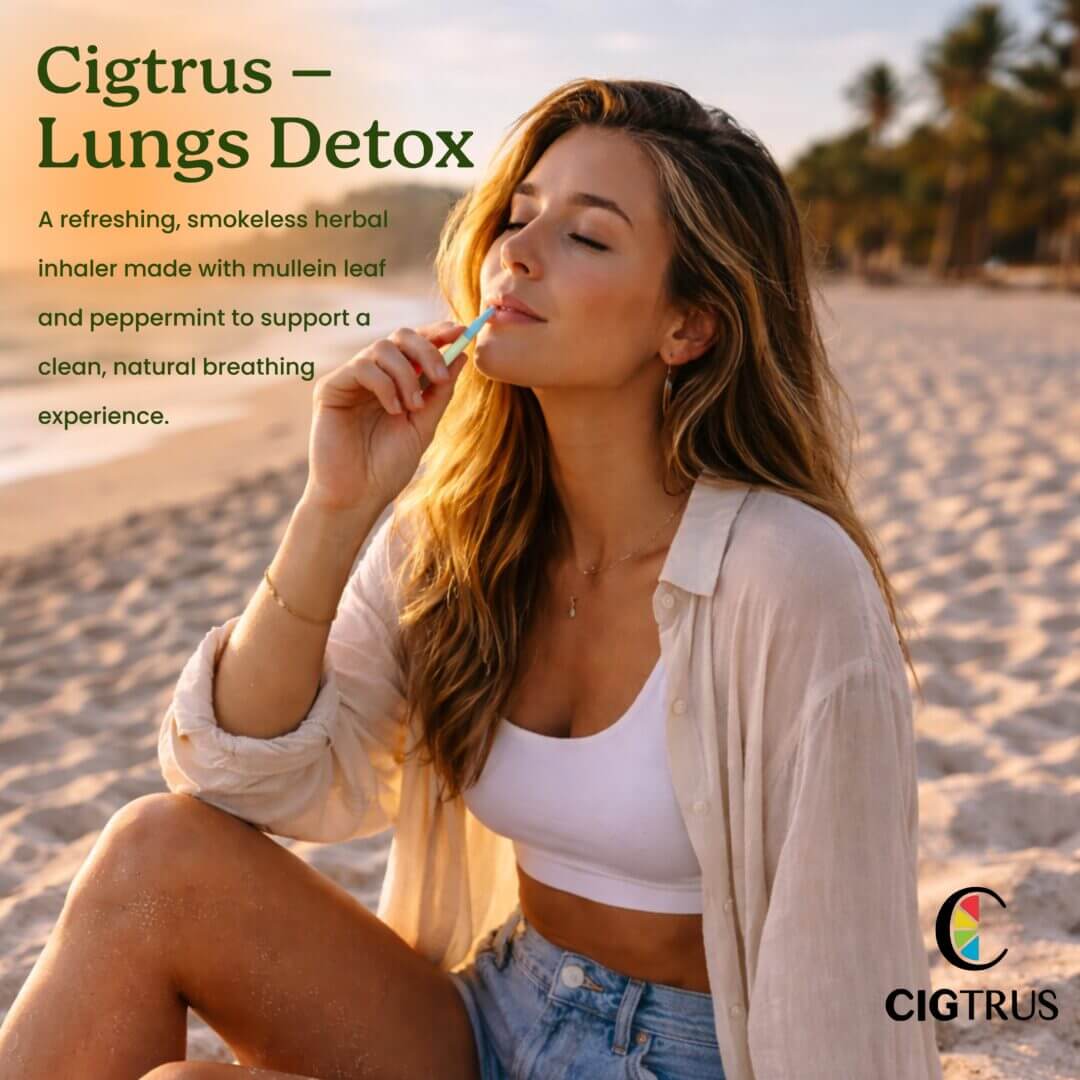
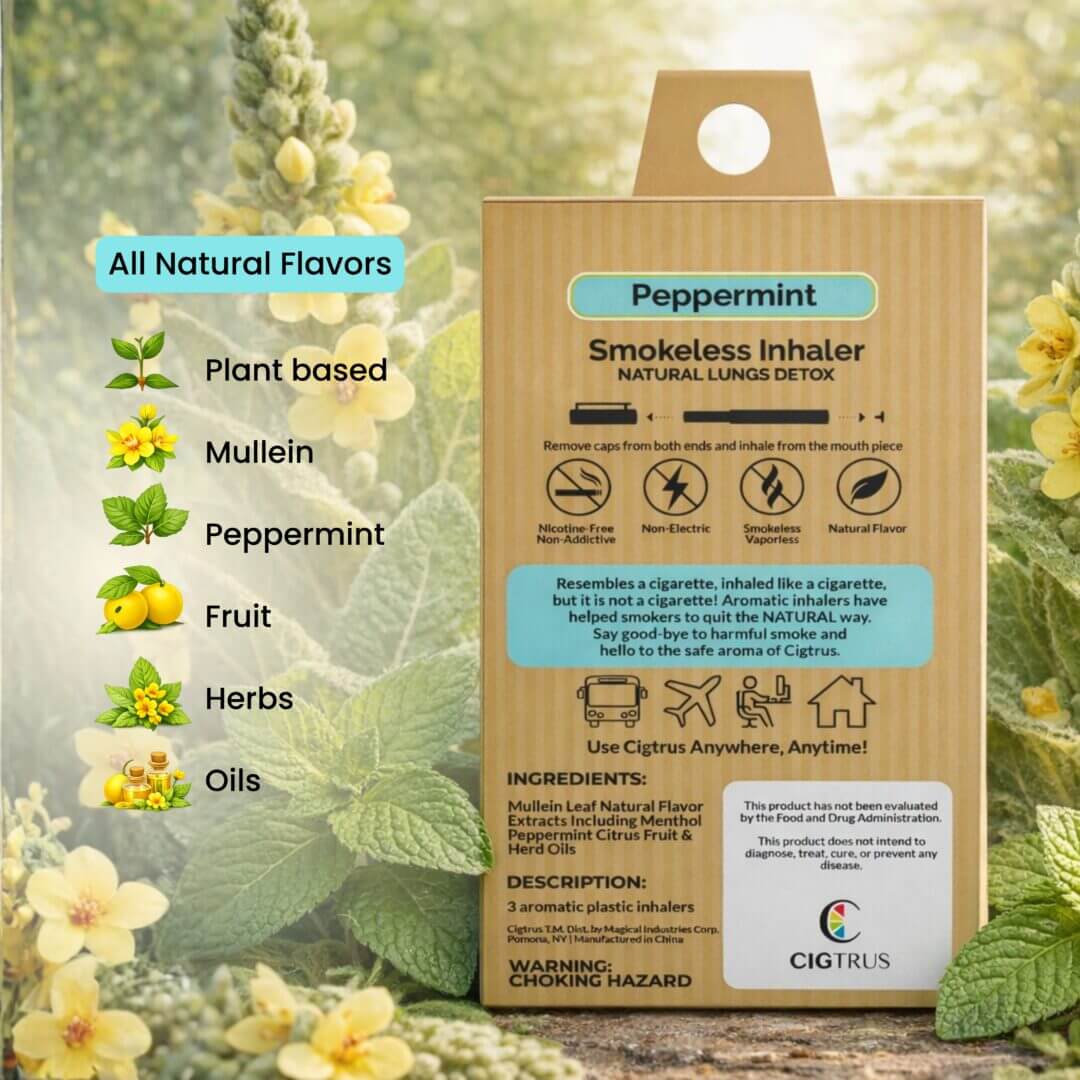
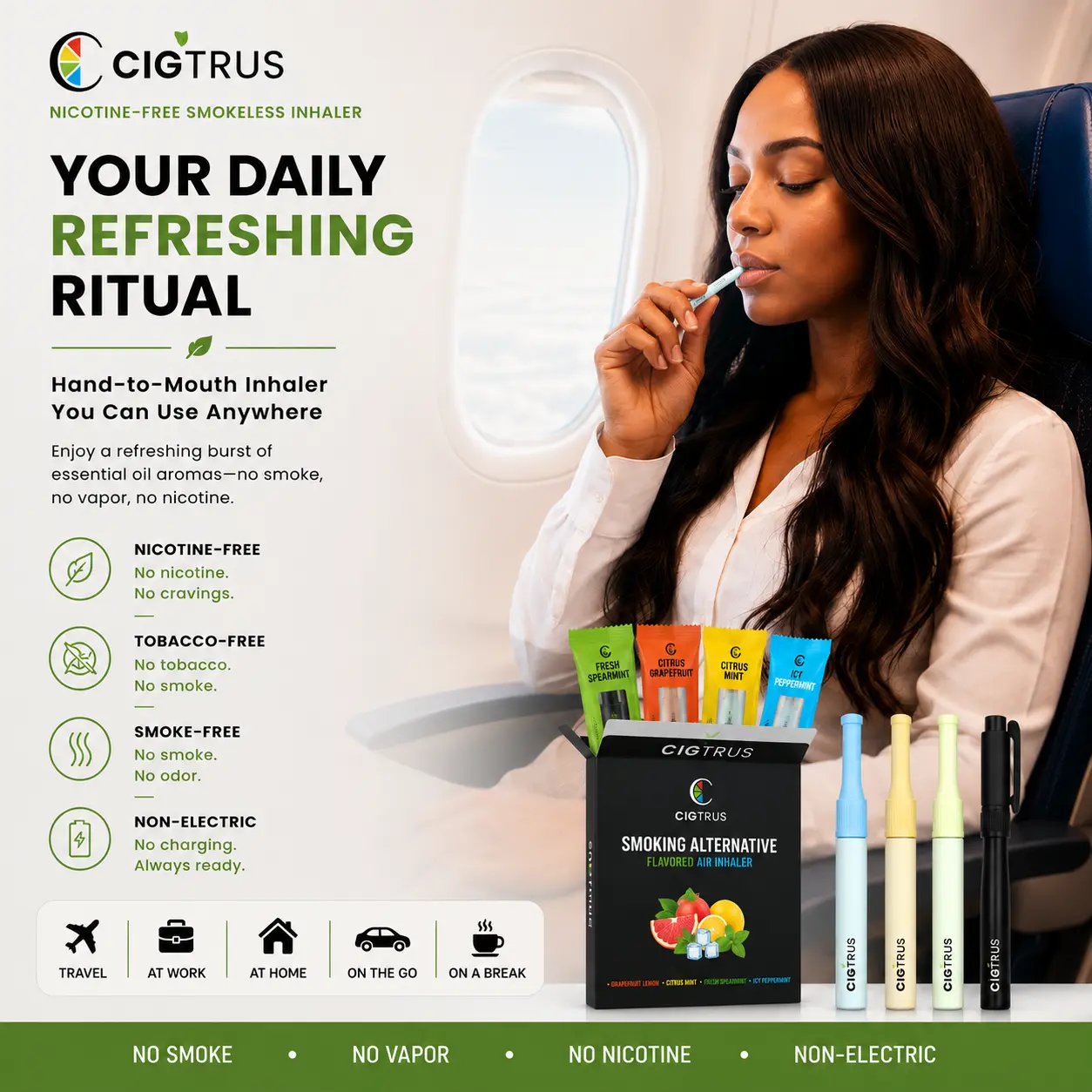
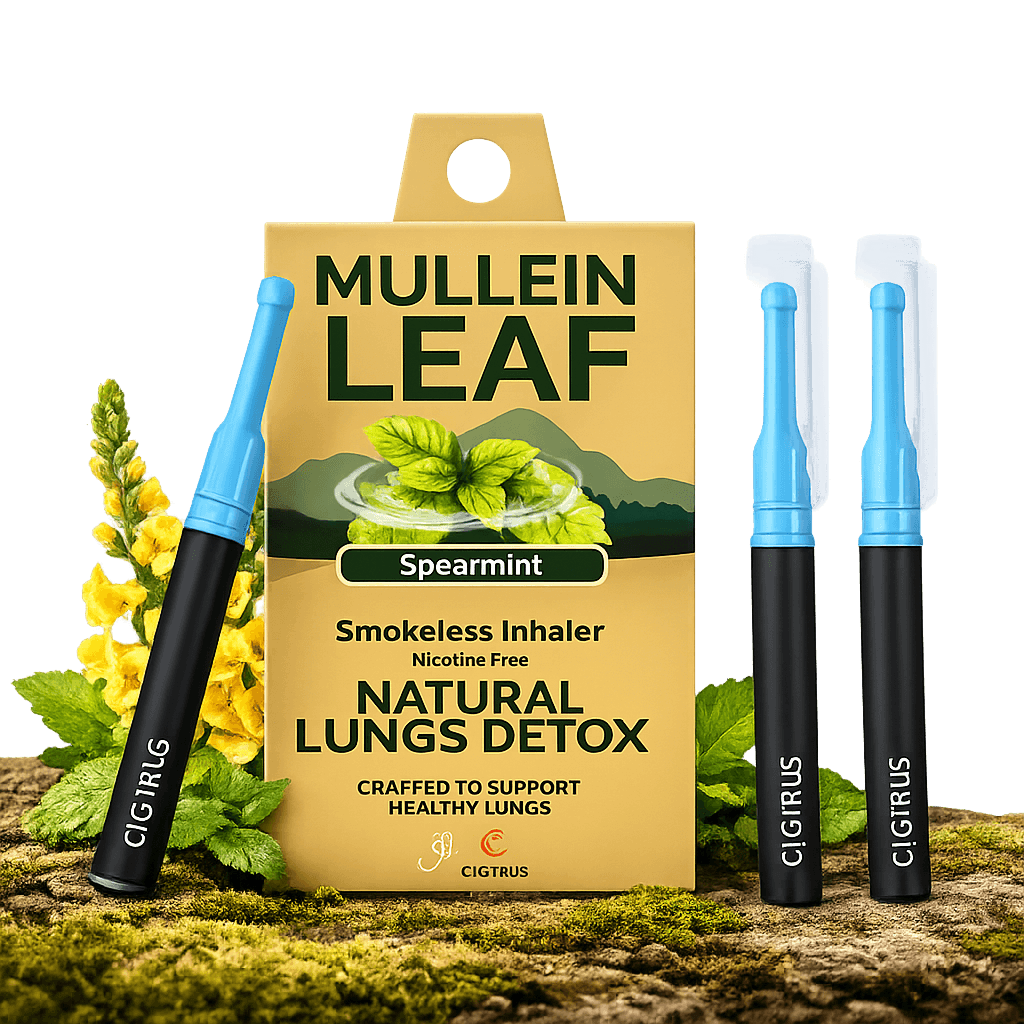
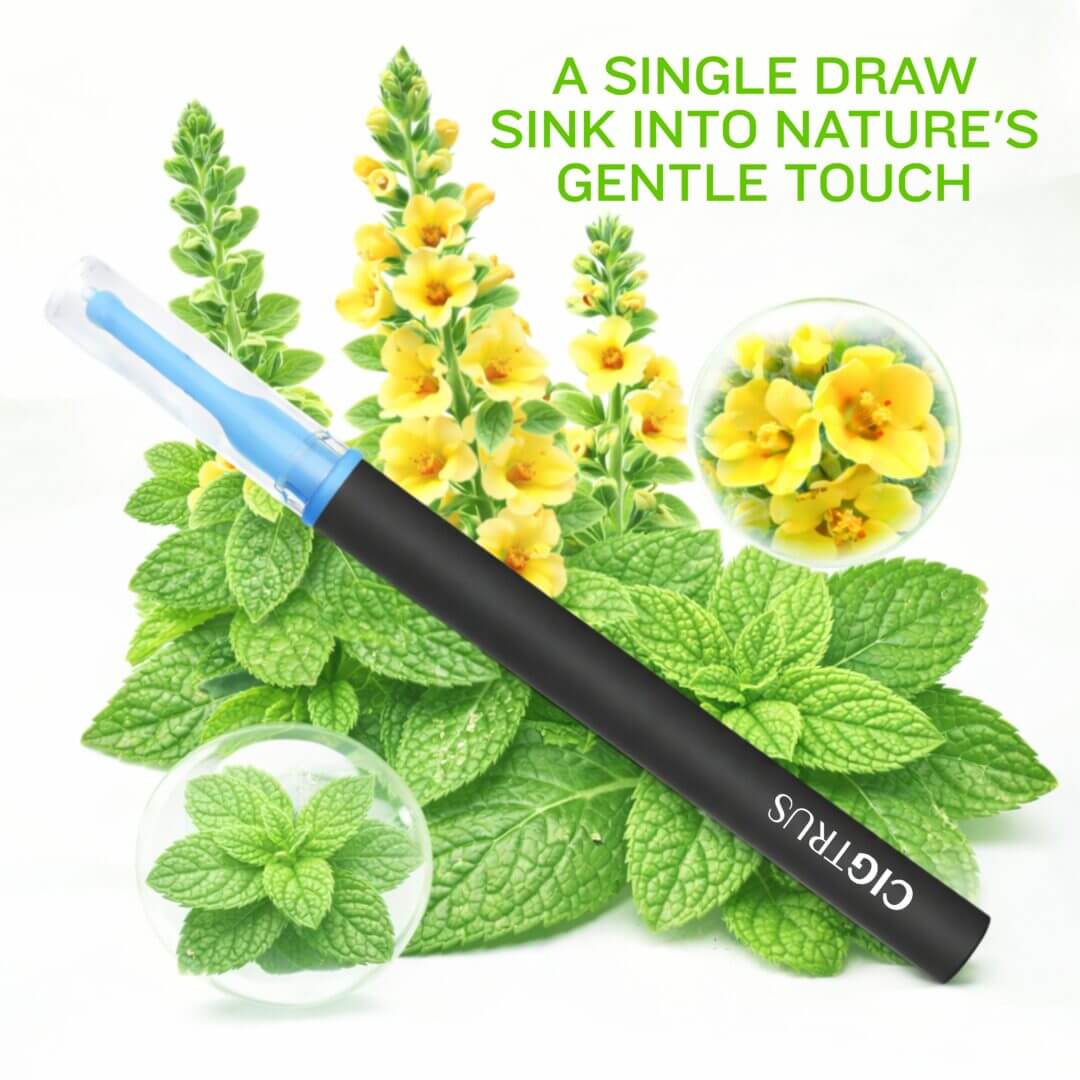
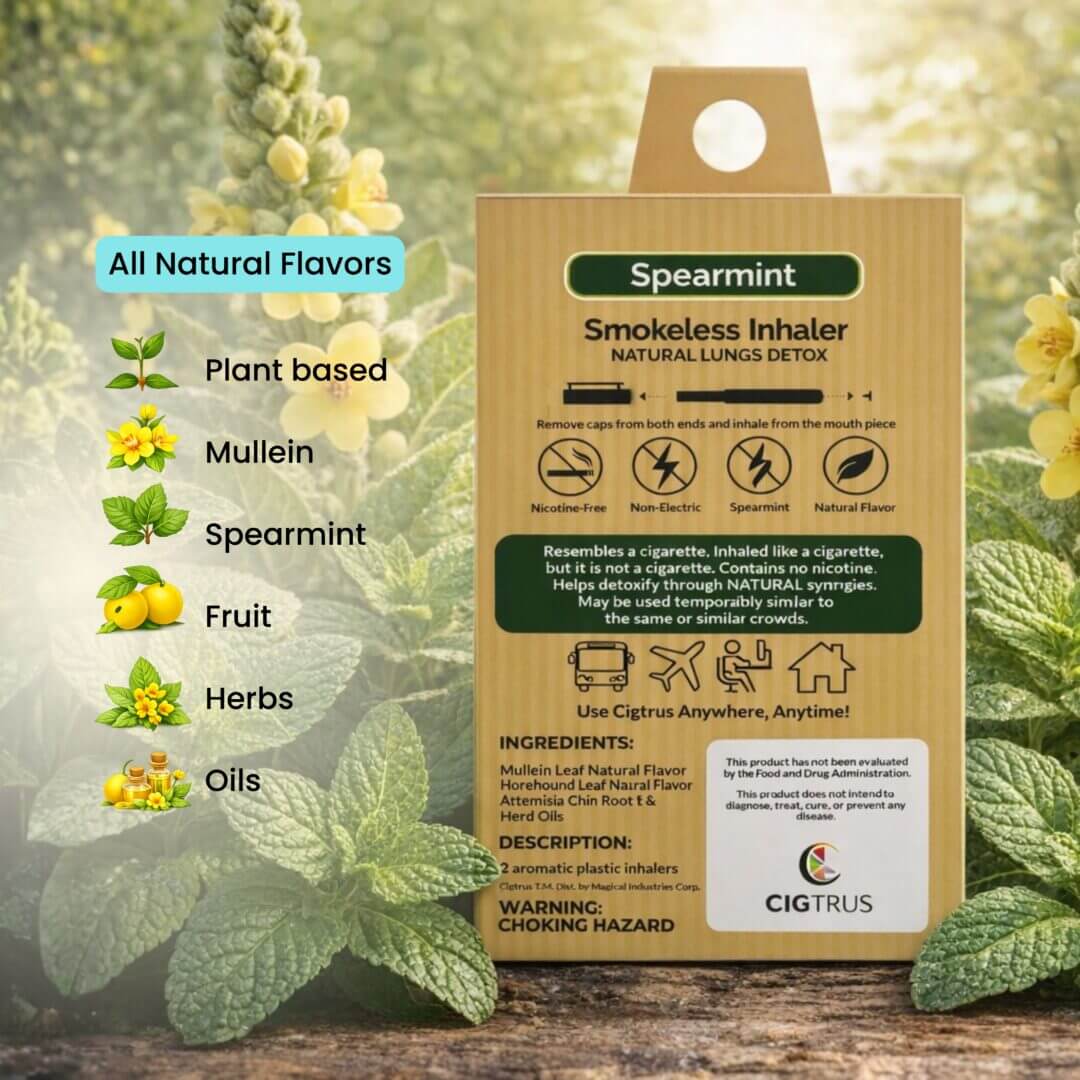
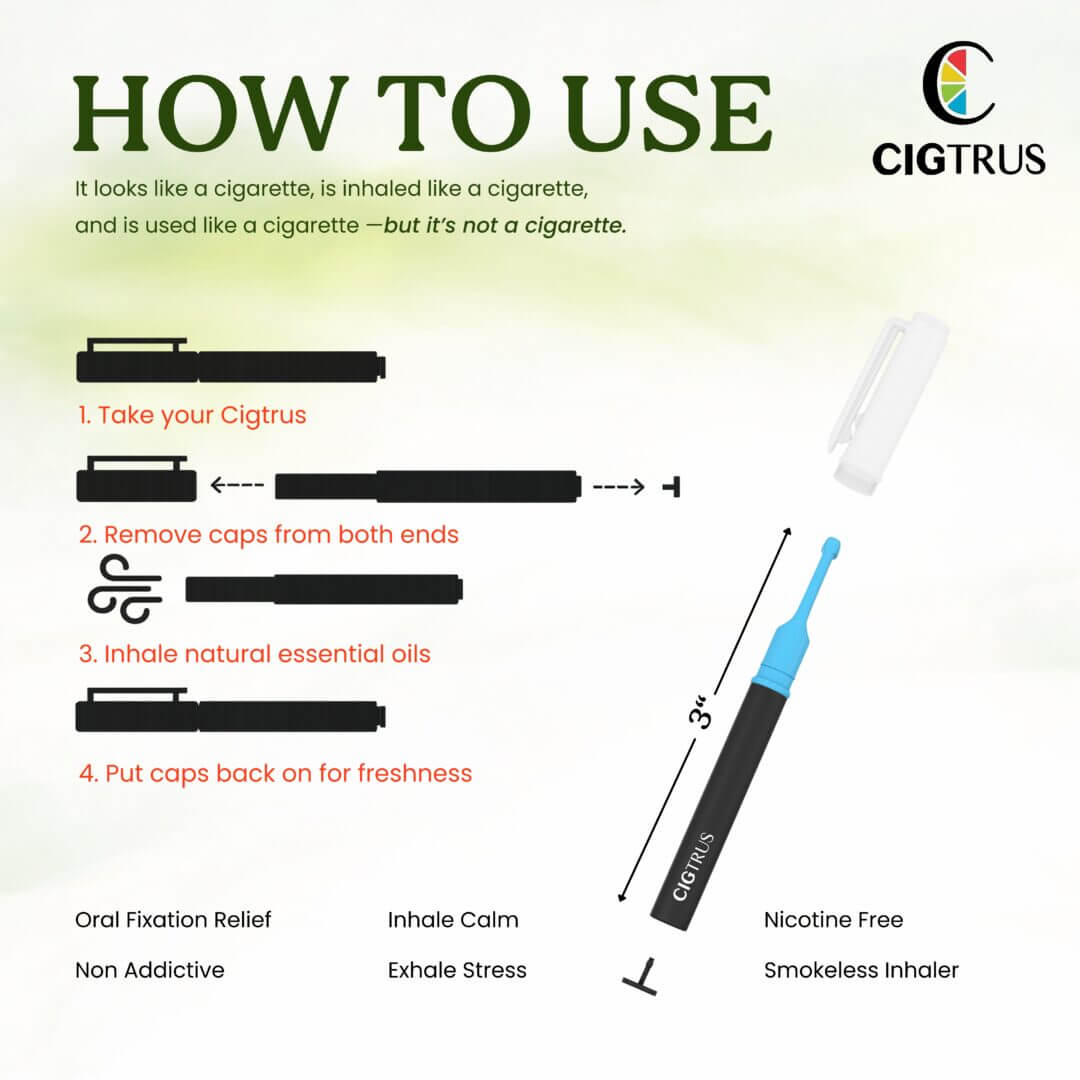
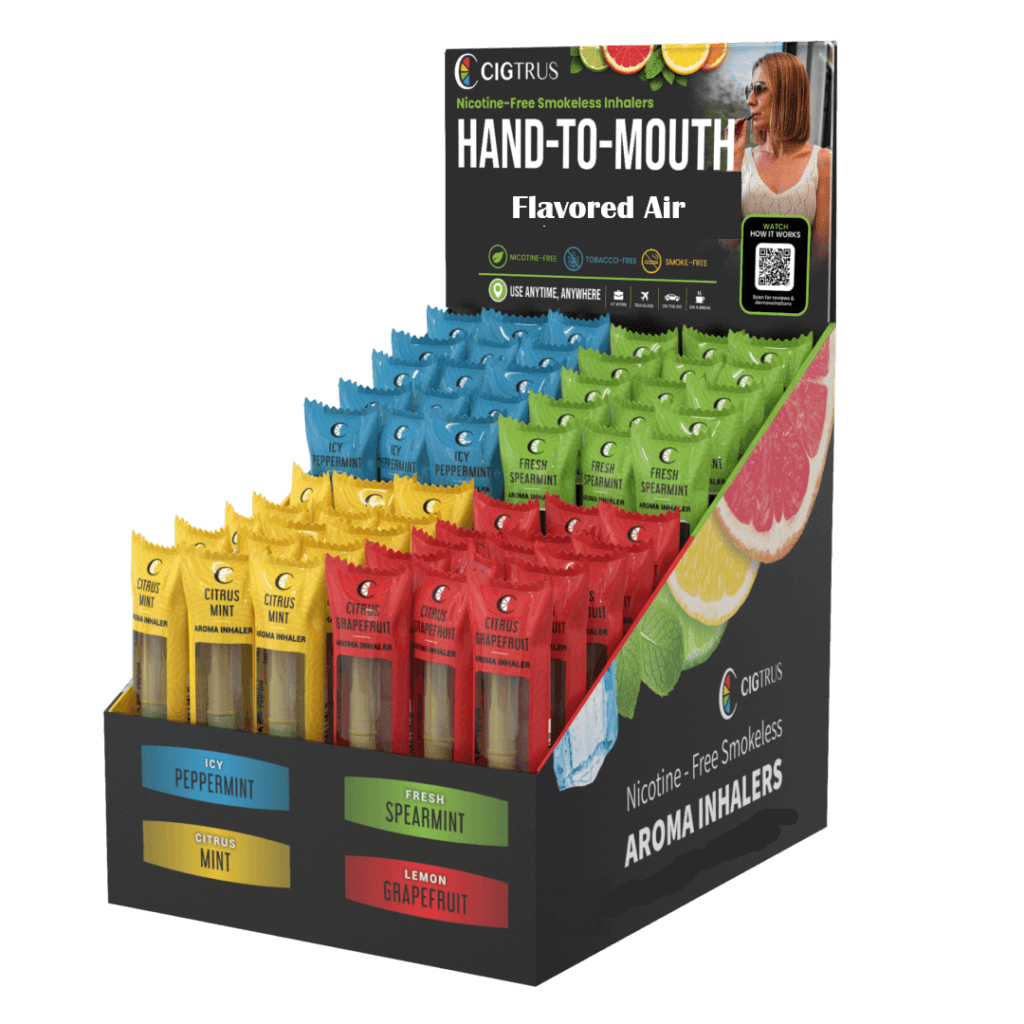
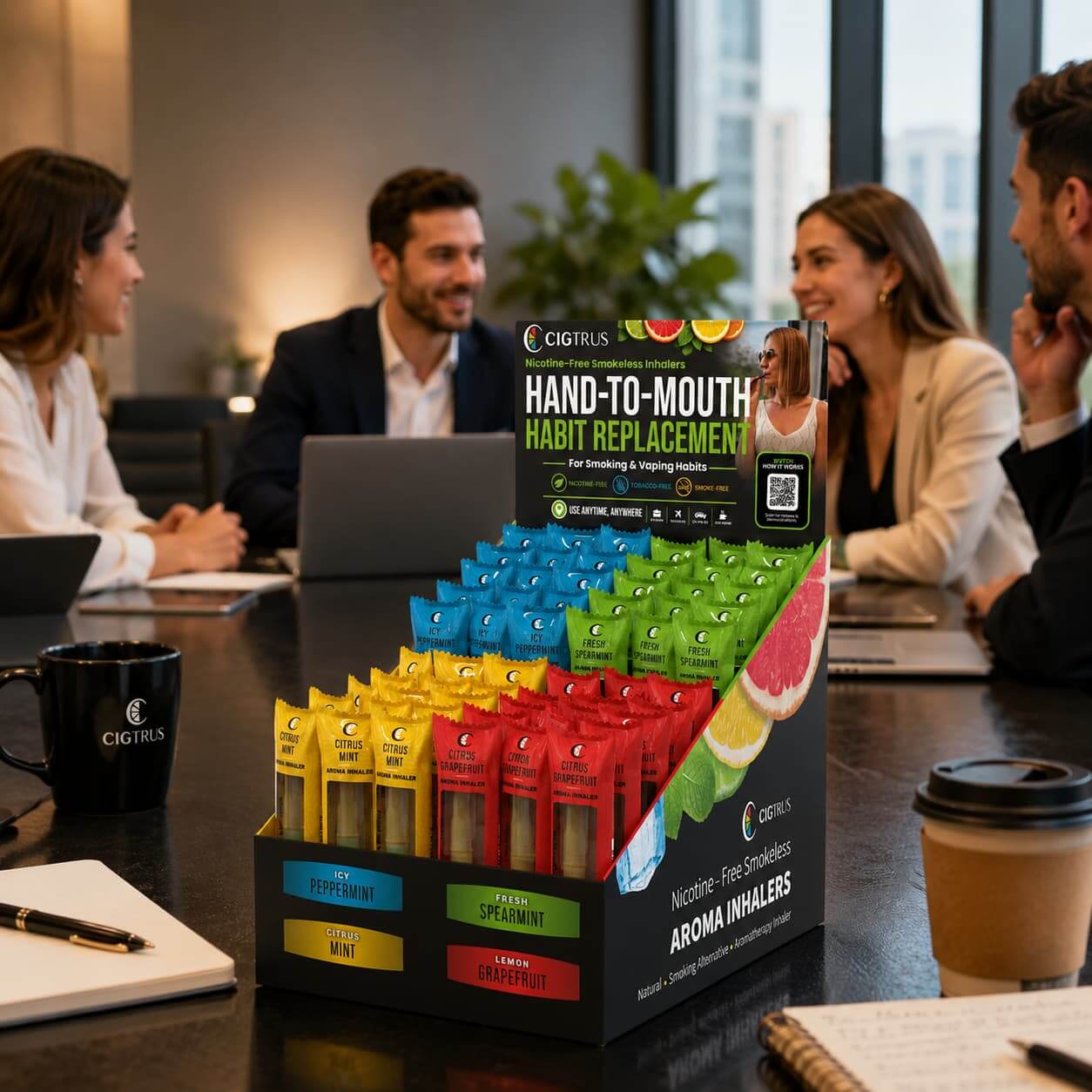
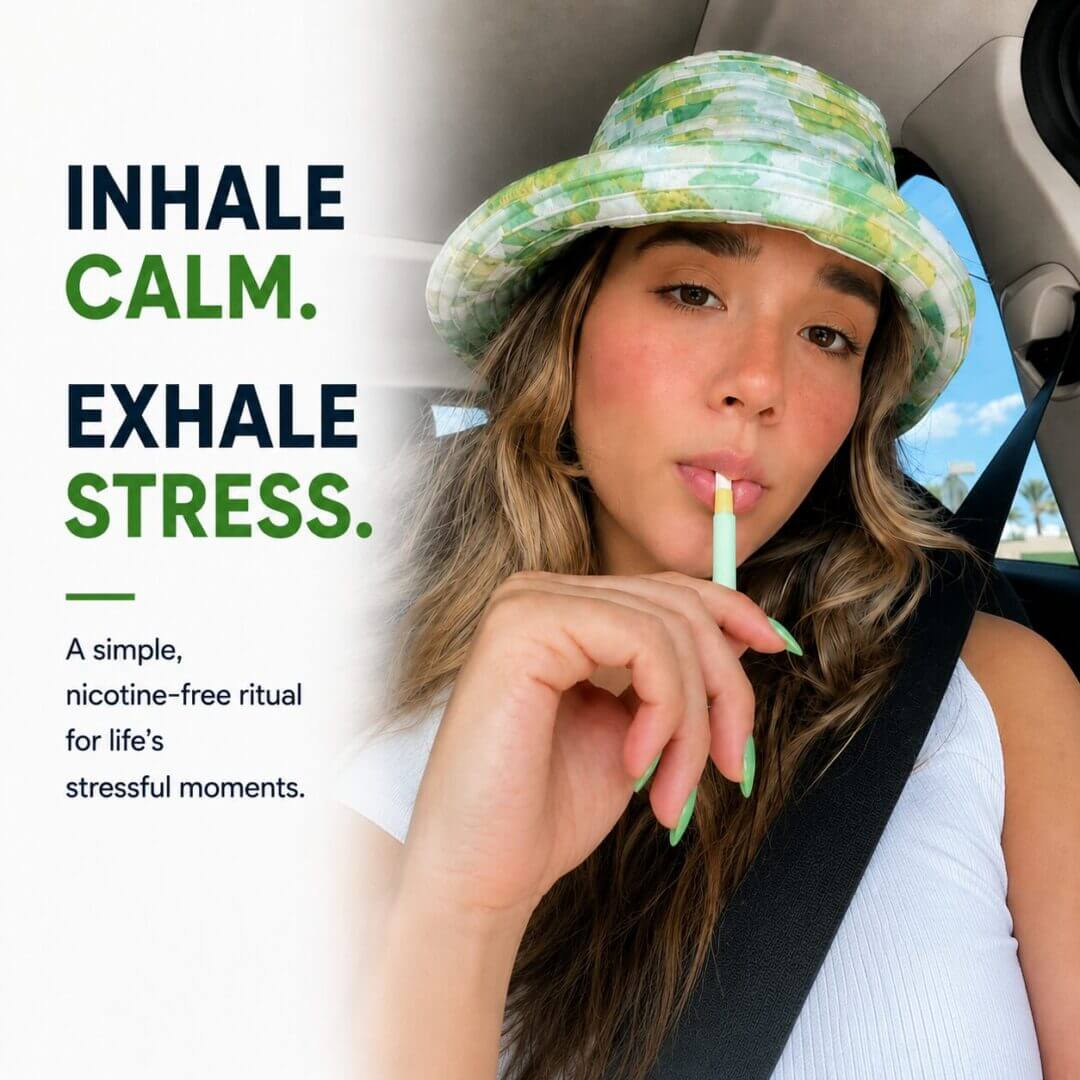
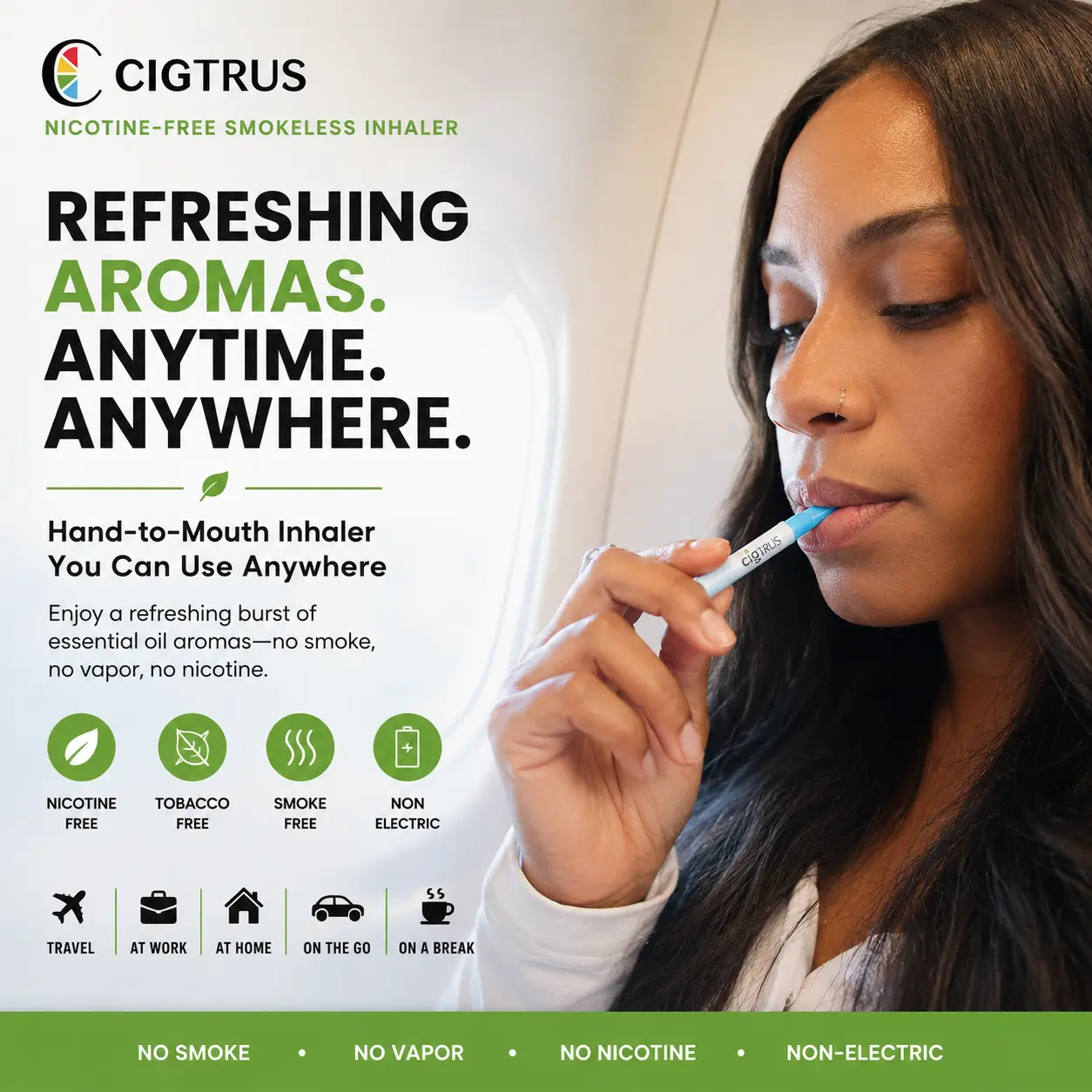
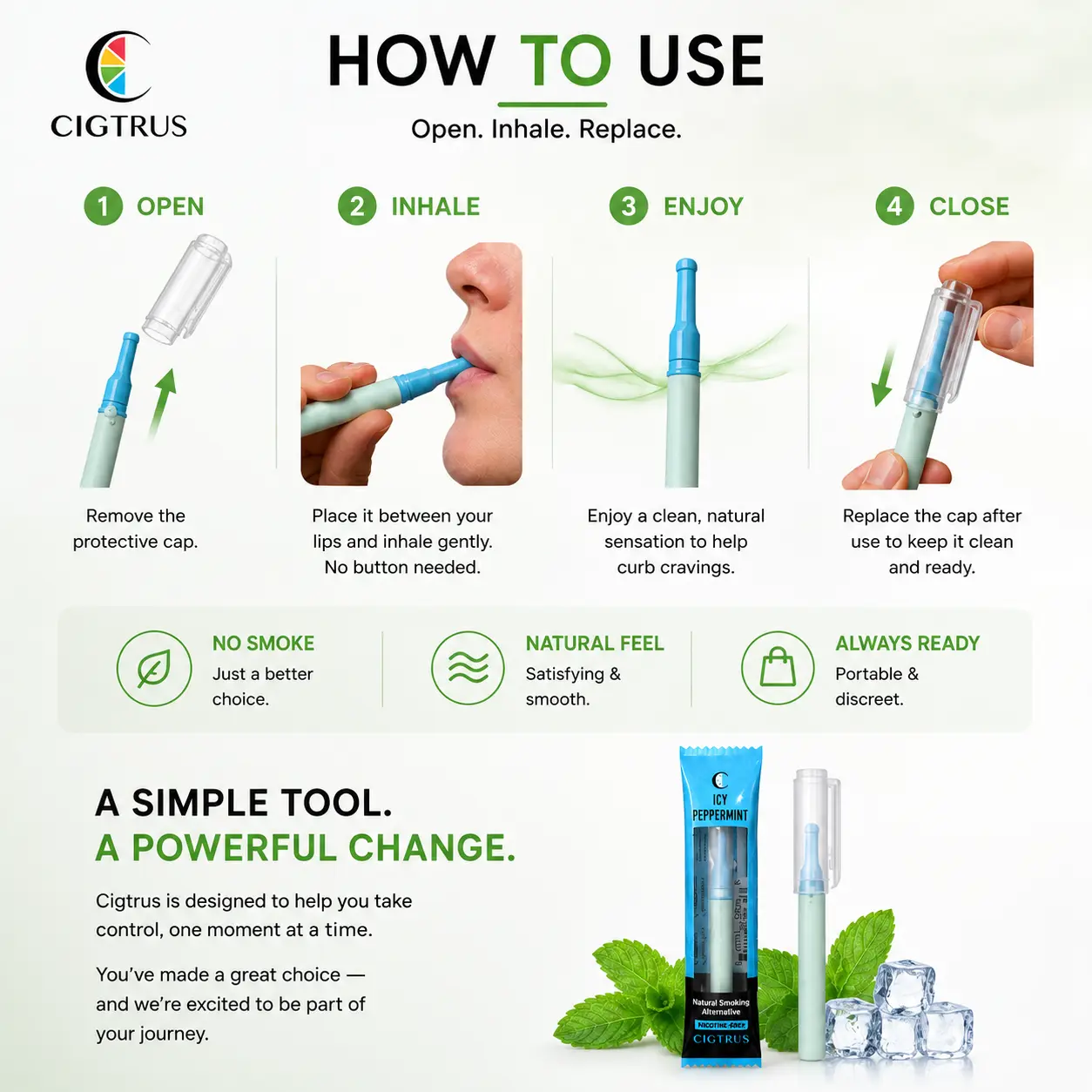
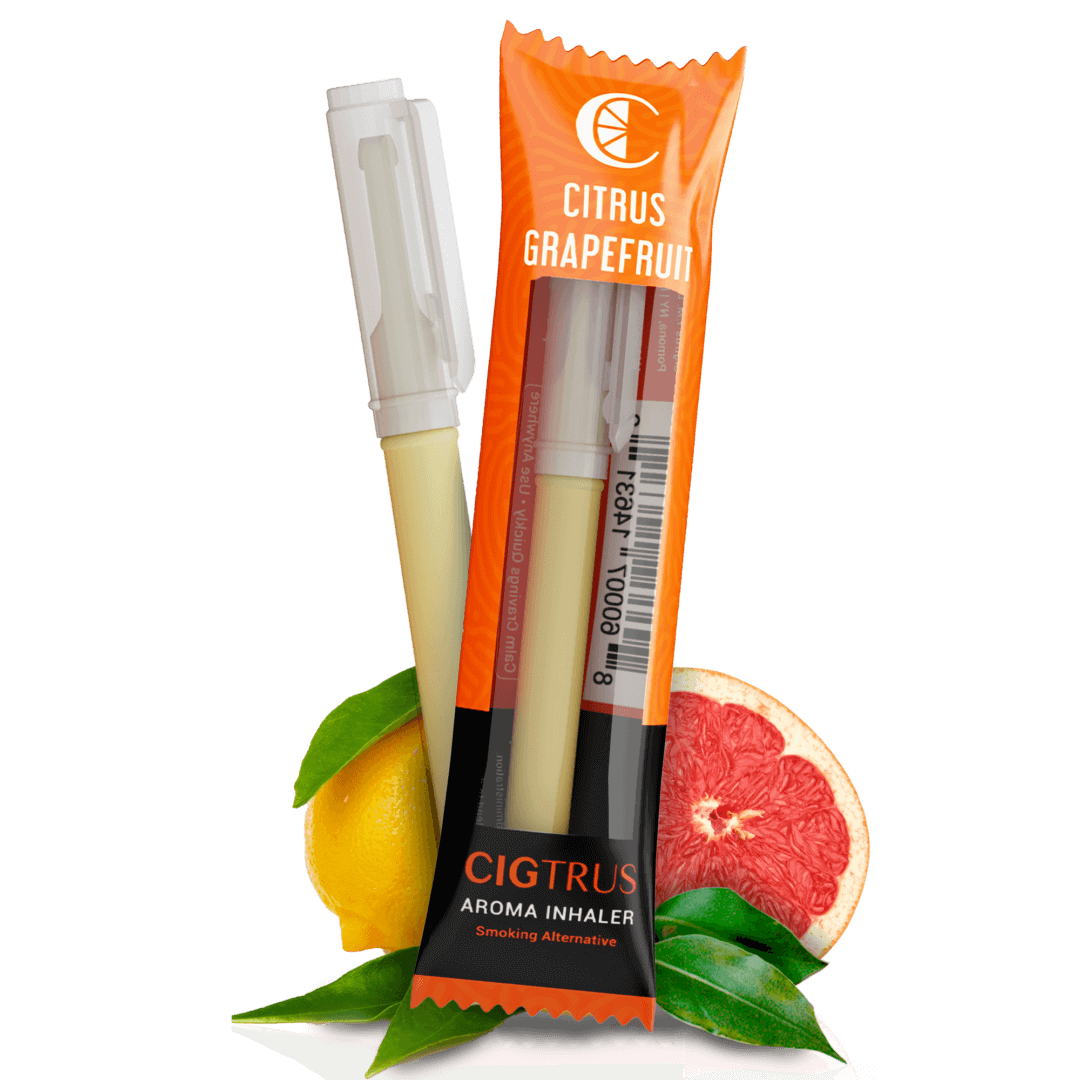
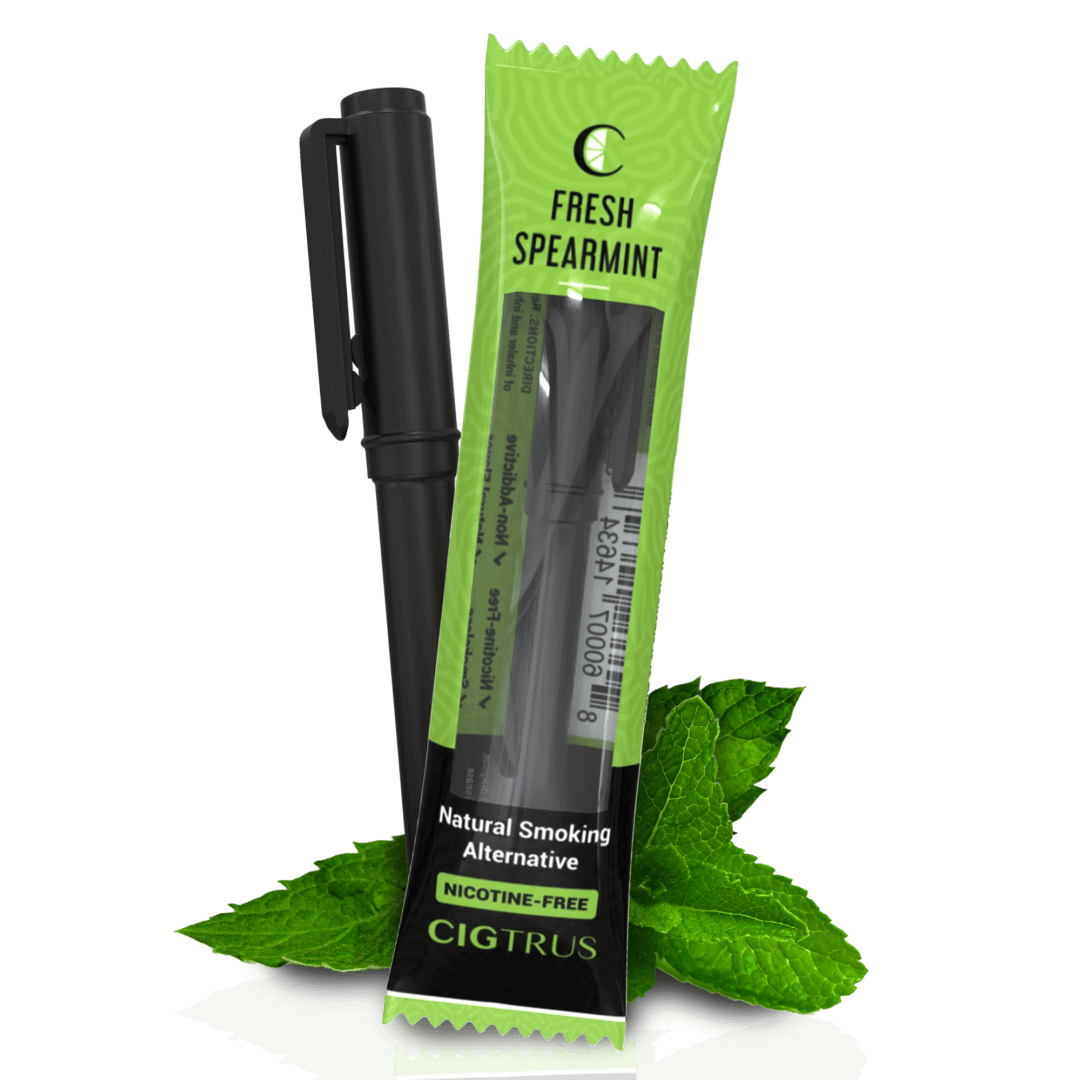
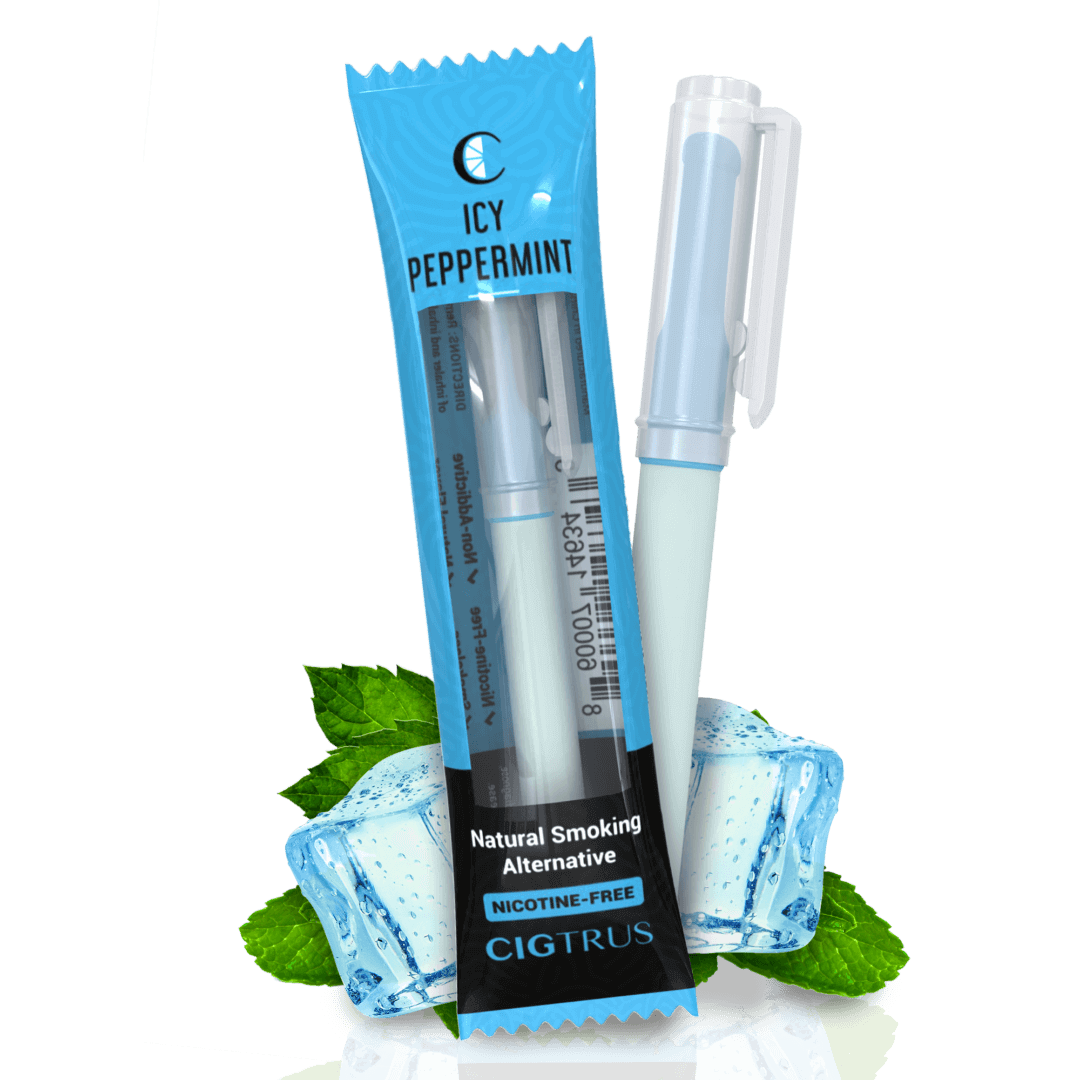
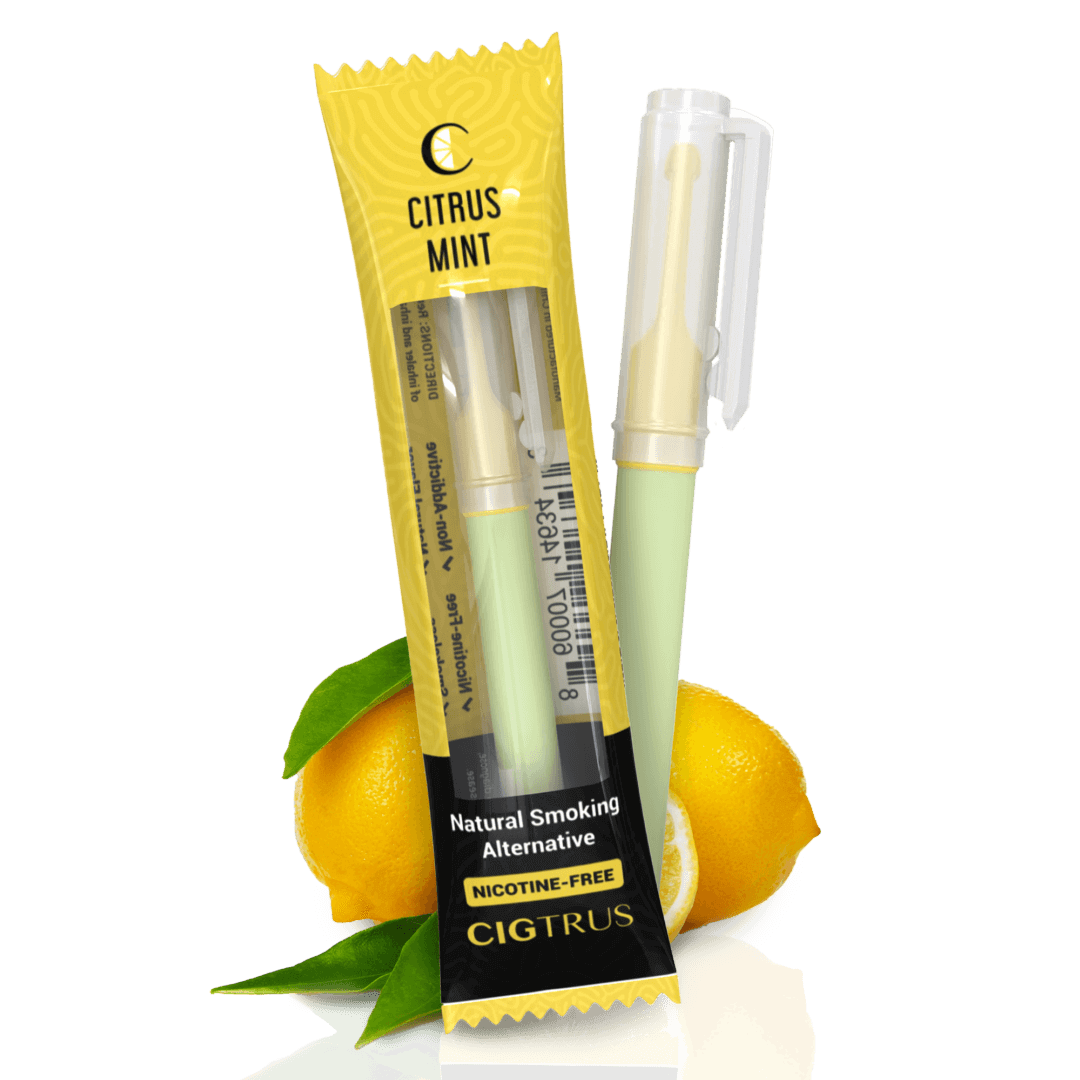
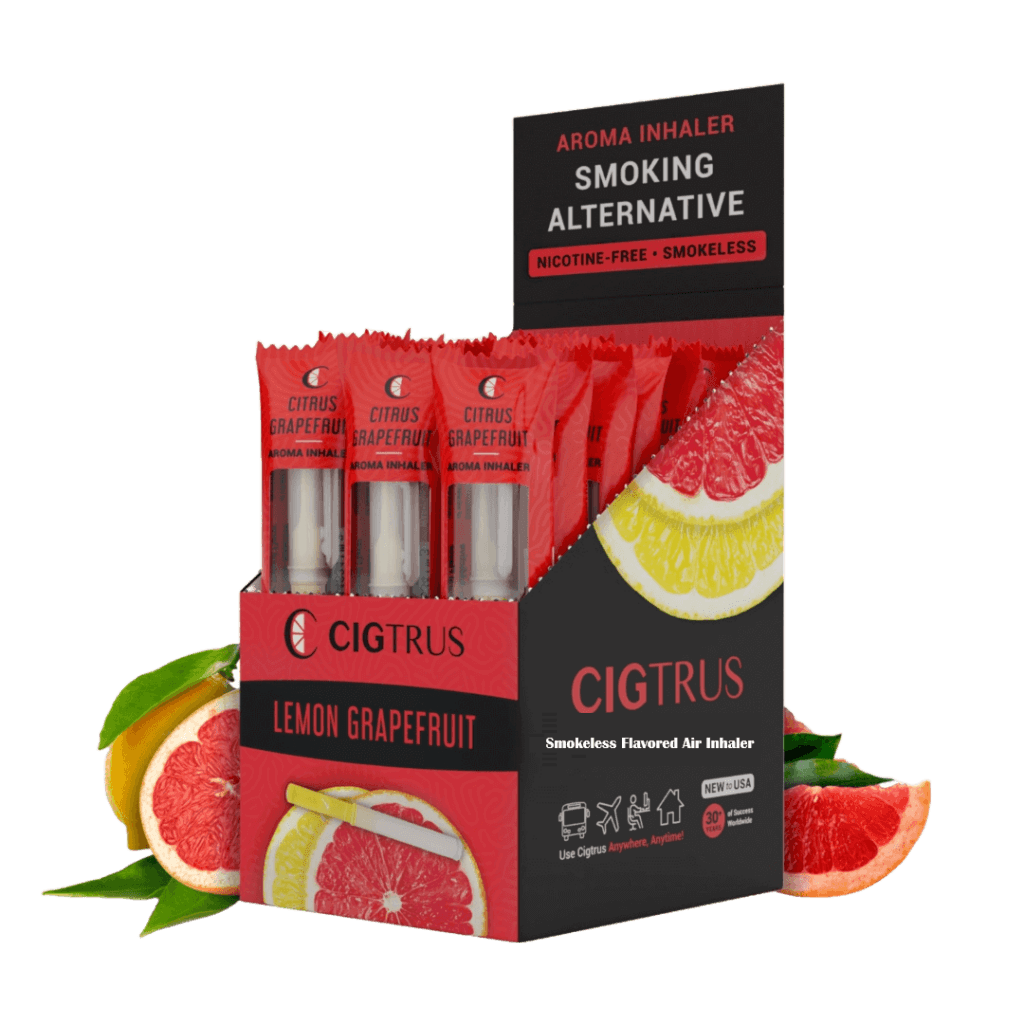
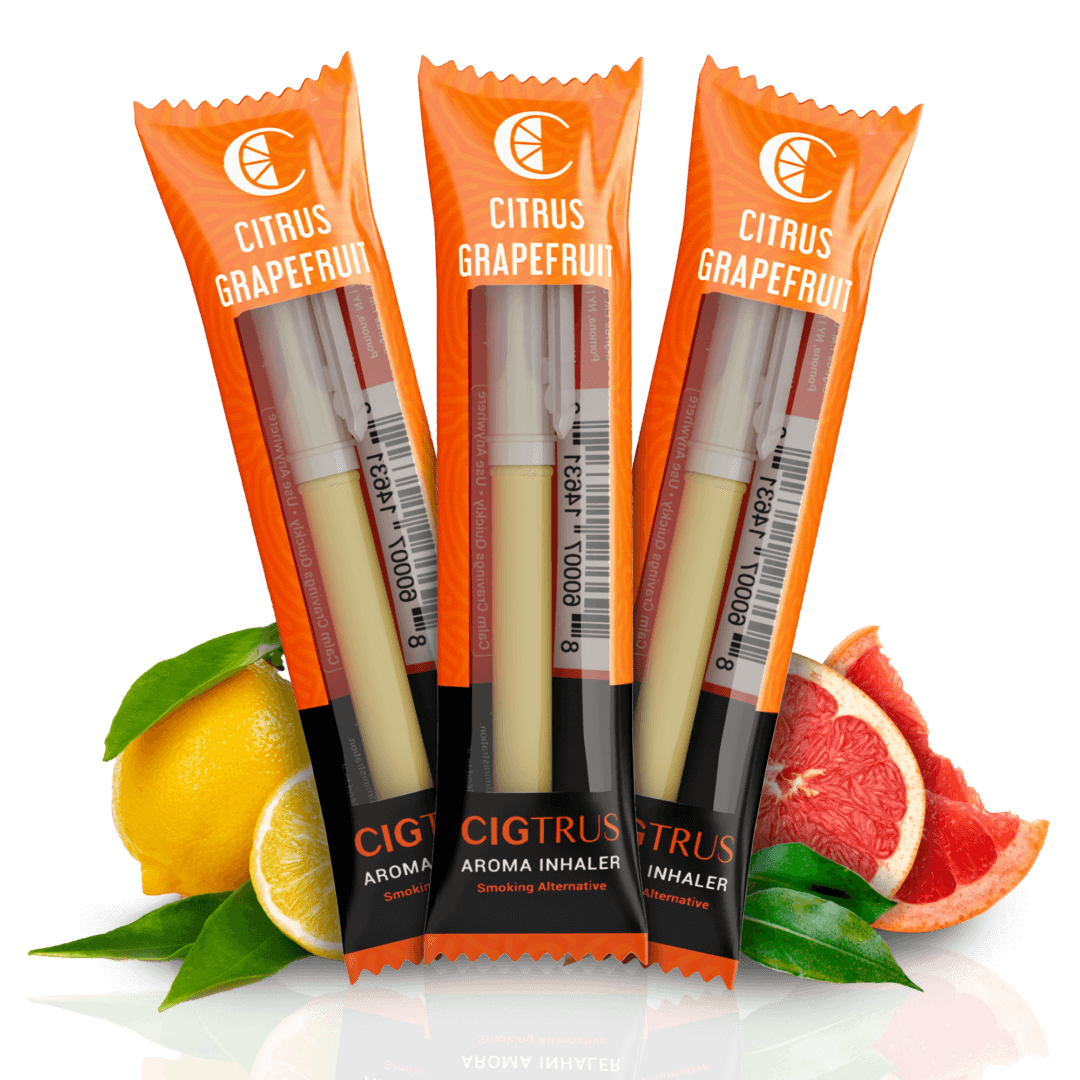
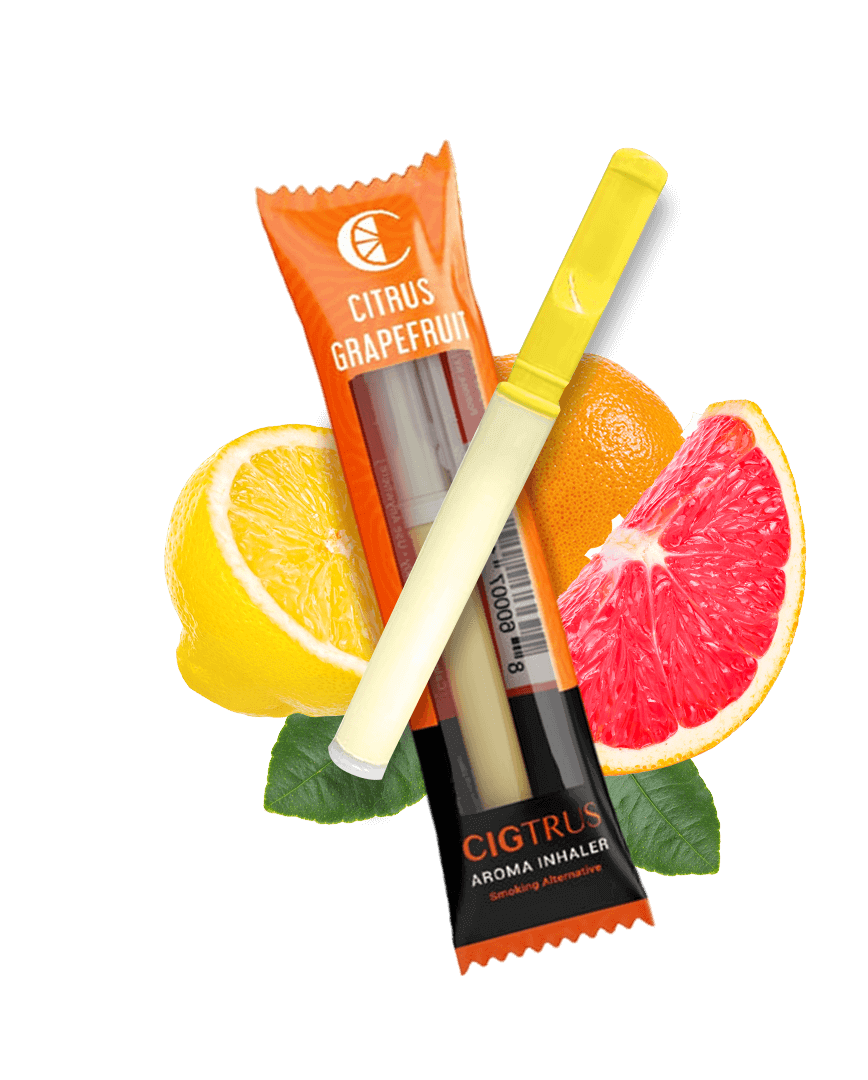
Cigtrus is a nicotine-free, smokeless, non-electric habit replacement inhaler. It was designed specifically to address what most quit aids miss, the hand-to-mouth ritual and familiar puffing routine that smokers struggle to replace.
What Cigtrus Replaces
The hand-to-mouth motion, the familiar action the hands do automatically at every trigger
The inhale and exhale rhythm, the deep breath the body expects during stress or breaks
The behavioral pause, preserves the break and reset without smoke, vapor, or nicotine
Oral fixation, gives the mouth something familiar during craving moments
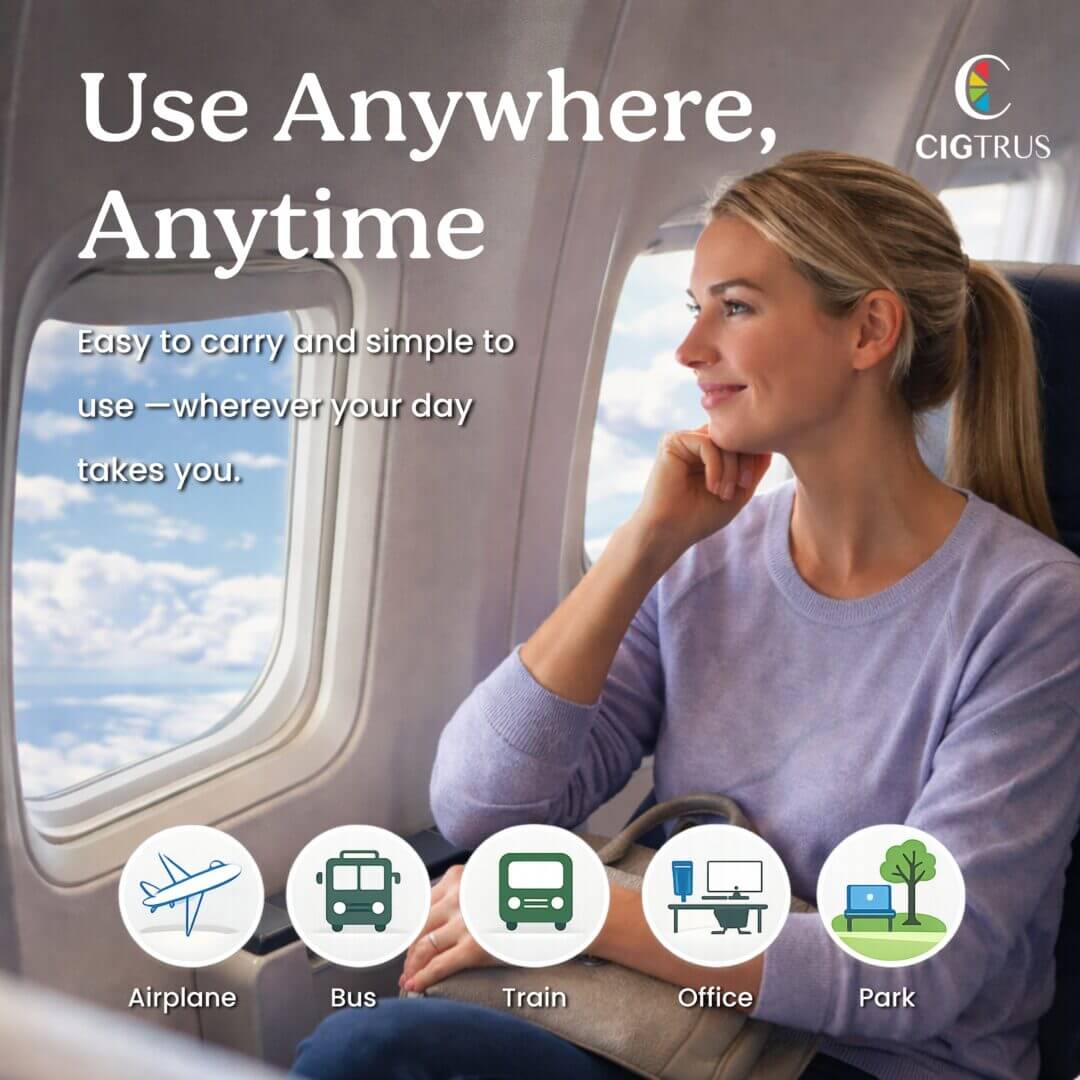
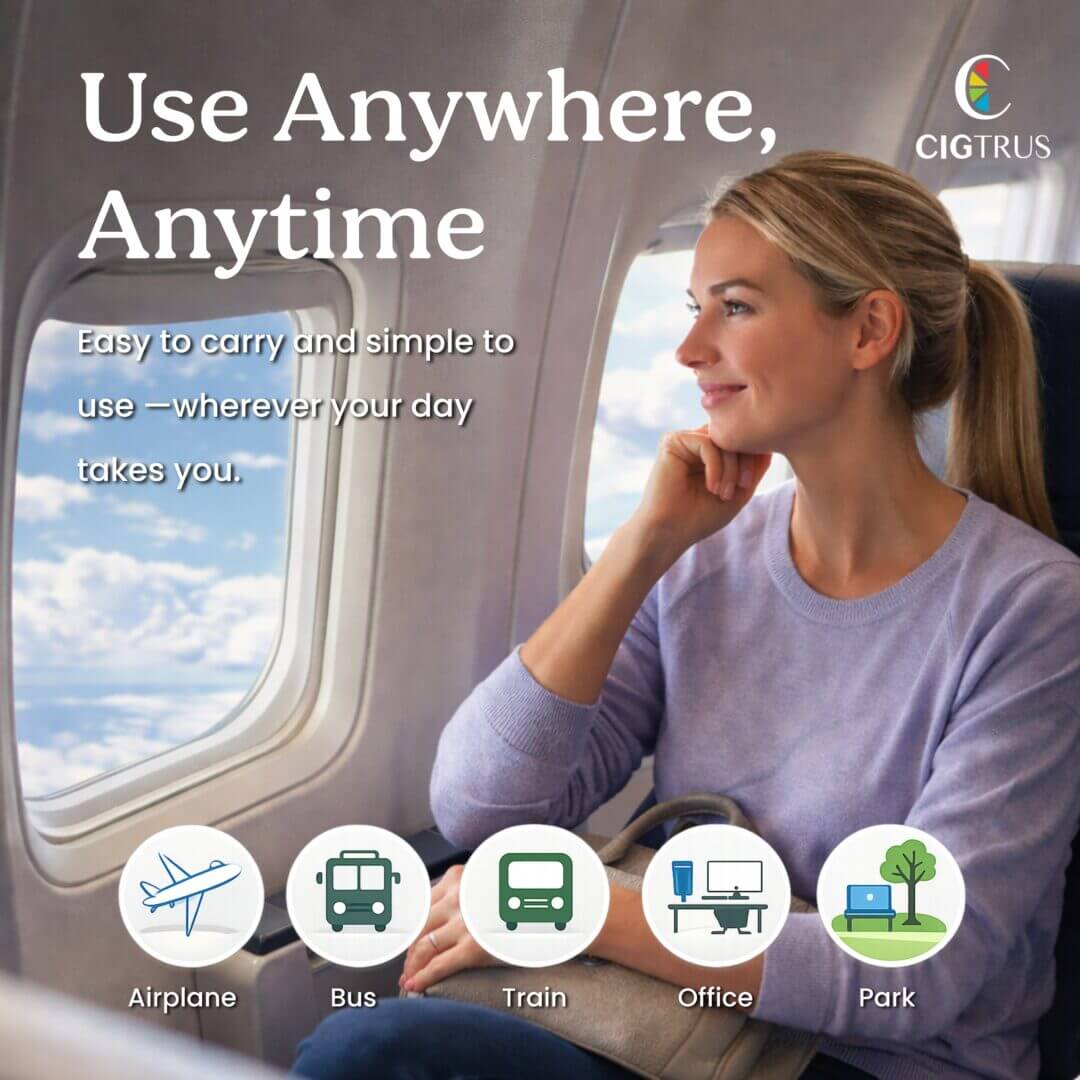
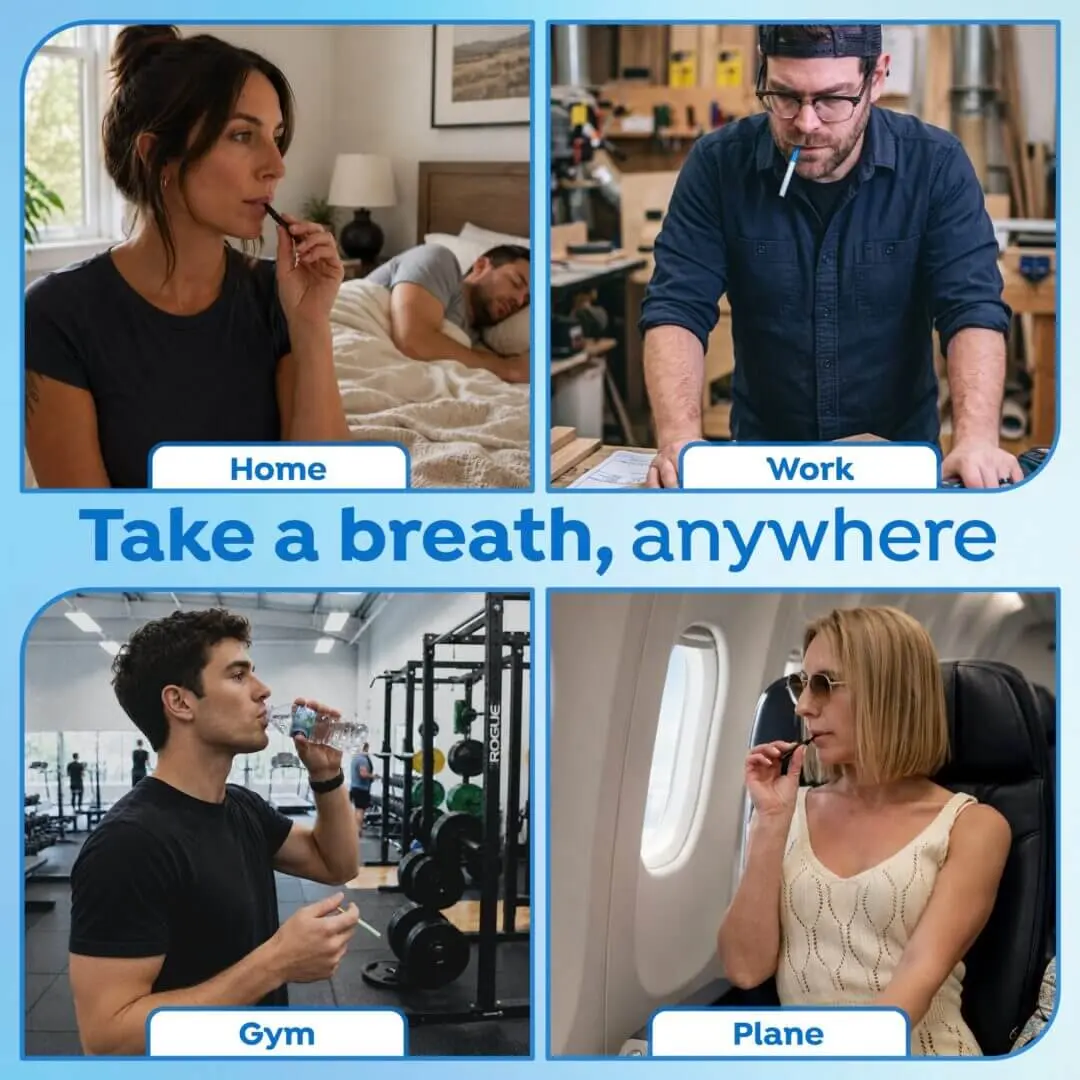
Usable anywhere, indoors, at work, on flights, wherever cigarette triggers fire
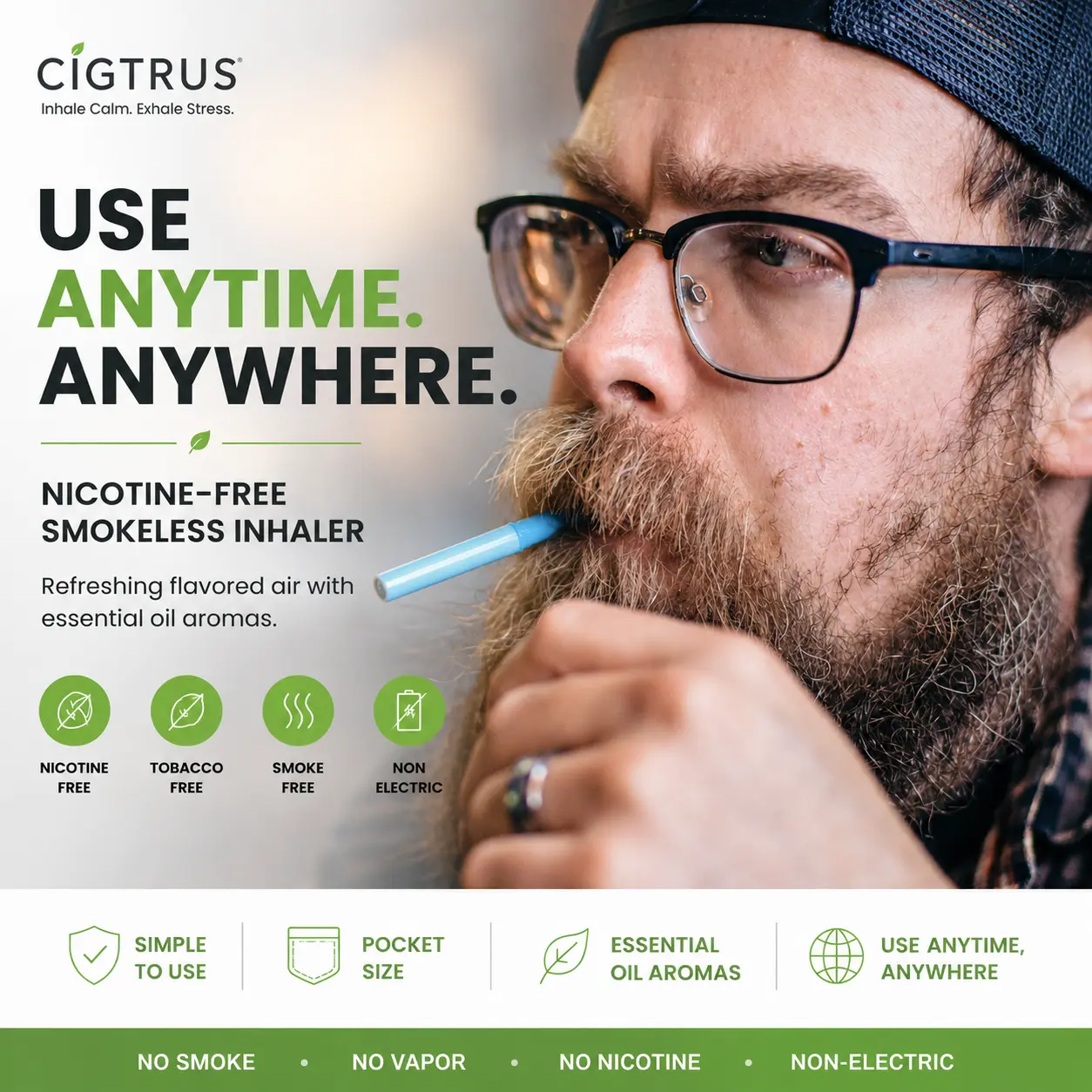
No nicotine. No smoke. No vapor. No battery. Just a clean, familiar replacement that is ready wherever cravings find you.
Coping With Withdrawal
Nicotine withdrawal can be tough, but it is a sign your body is healing. Knowing what to expect makes each symptom easier to manage.
Staying Smoke-Free After You Quit
Once you have quit, staying smoke-free is the next challenge. The triggers that caused cravings during withdrawal do not always disappear, they become weaker over time, but they need to be managed consistently.
- Avoid trigger situations while the behavioral rewiring is still fresh
- Stay physically active, movement reduces cravings and improves mood
- Eat well, a balanced diet supports overall health and helps manage weight changes
- Keep your support network close, lean on the people who know your goal
- Keep a replacement ready at all times, never face a trigger with nothing in hand
Dealing With Relapse
Relapse is common and does not mean failure. It is an opportunity to learn, adjust, and come back stronger. Most successful long-term quitters had multiple attempts before it stuck, every attempt builds the foundation for the next one.
- Reflect on what triggered the relapse and plan how to handle it differently next time
- Reach out to your support network or a counselor for guidance and encouragement
- Set a new quit date immediately, do not let a slip turn into a restart from zero
- Reassess your approach, if willpower alone is not working, add behavioral replacement
Resources to Help You Quit
You do not have to do this alone. There are resources available to support every step of the journey:
- Quitlines, call 1-800-QUIT-NOW for free support and resources
- Online Support, smokefree.gov offers tips, tools, and community support
- Quit-Smoking Apps, track your progress, count smoke-free days, and stay motivated
- Support Groups, local or online groups connect you with others on the same journey
Frequently Asked Questions
Where do I start when I want to quit smoking?
Start by setting a quit date within the next two weeks, telling your support network, removing cigarettes and triggers from your environment, and identifying a replacement for each trigger moment.
Why do I still crave cigarettes even after deciding to quit?
Because smoking is wired to emotional routines and daily trigger situations that outlast nicotine withdrawal. The craving is often behavioral, the brain reaching for a familiar habit, not just chemical.
What is the best method to quit smoking?
The most effective approach addresses both the nicotine side and the behavioral side. Replacing the hand-to-mouth routine and the familiar pause, not just the nicotine, is what most successful long-term quitters do.
What is Cigtrus and how does it help with quitting?
Cigtrus is a nicotine-free, smokeless, non-electric inhaler designed to replace the hand-to-mouth habit and familiar puffing routine of smoking, giving the hands and mouth a clean alternative at every craving moment.
What should I do if I relapse?
Do not give up. Reflect on what triggered the slip, set a new quit date immediately, and consider adding behavioral habit replacement if your previous approach did not address the routine side of smoking.
You Can Do This
Quitting smoking is one of the best decisions you can make for your health, your finances, and the people around you. It is a journey that requires preparation, support, and patience, but thousands of people succeed every year.
Celebrate every smoke-free day. Each one weakens the old habit and builds the new one. Stay committed, keep something ready for every craving moment, and remember that every step forward counts.
Ready to Start? Have Something Ready for Day One.
Cigtrus is nicotine-free, smokeless, and ready for every trigger moment on your quit journey.
👉 Try the Variety Pack