You Can Quit Smoking: Here’s How
Quitting smoking is a personal journey, and whether you have smoked for years or are just starting to think about it, making the decision to move toward a smoke-free life is already an important step forward.
The good news is that many people have successfully changed their smoking habits by finding the right support, routines, and tools that work for them. You can too.
Understanding the Smoking Habit
Smoking is often more than just nicotine. For many people it becomes connected to daily routines, stress relief, breaks during the day, social situations, and familiar hand-to-mouth habits built over years of repetition.
That is why quitting can feel difficult even when someone truly wants to stop. The behavioral routine itself becomes wired into everyday life. Understanding these patterns is the first step toward breaking them.
Morning Routines
Coffee, cigarette, repeat, paired thousands of times until the brain expects both automatically every single day.
Work Breaks
The cigarette structured every break. Without it, the pause feels incomplete and the hands reach for something familiar.
Stress Response
Cigarettes became the coping mechanism. In stressful moments, the brain still fires the same automatic response.
Social Situations
Around other smokers or in familiar environments, the trigger fires even years after a person has quit.
Building a Support System
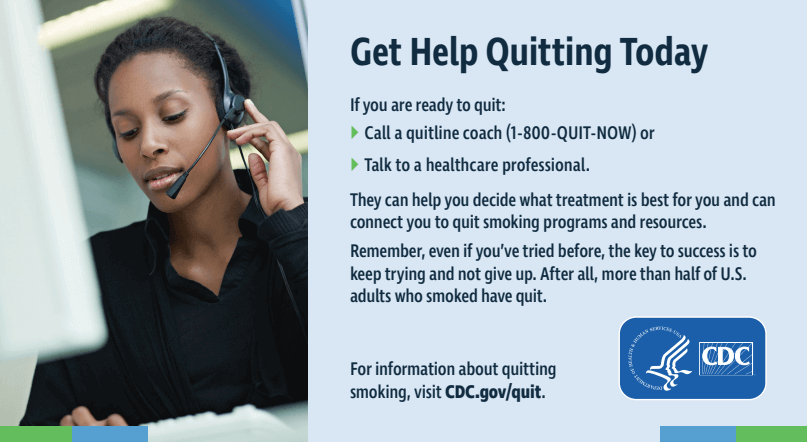
Having support during the quitting journey makes a significant difference. Some people benefit from counseling, others from support groups, and others from simply telling the right people about their goal and having accountability around them.
- Smoking cessation support programs and counseling
- Online educational resources like smokefree.gov
- Motivational text messaging programs
- Community support groups, local or online
- Conversations with a healthcare professional
- Trusted friends and family who know your goal
Creating a plan and having encouragement along the way helps people stay focused during the moments when cravings are strongest.
Exploring Different Tools and Approaches
There are many approaches people use when trying to quit smoking. The most effective approaches address both the nicotine side and the behavioral side of the habit.
Behavioral Habit Replacement
Replacing the physical routine of smoking, the hand-to-mouth motion, the inhale, the pause, with a clean smoke-free alternative at every trigger moment.
Nicotine Replacement Products
Patches, gum, and lozenges address the chemical side of nicotine dependence but leave the behavioral routine untouched.
Stress-Management Techniques
Deep breathing, exercise, meditation, and short movement breaks all help interrupt the automatic stress-to-smoking response.
Nicotine-Free Habit-Replacement Tools
Smokeless inhalers and similar tools give the hands and mouth a familiar routine without smoke, vapor, or nicotine.
Lifestyle and Routine Changes
Changing the morning routine, avoiding trigger environments, and building new daily habits that no longer revolve around cigarettes.
Every person’s experience is different. Finding the right combination of support and tools can take time, and that is completely normal.
How Cigtrus Supports the Quit Journey
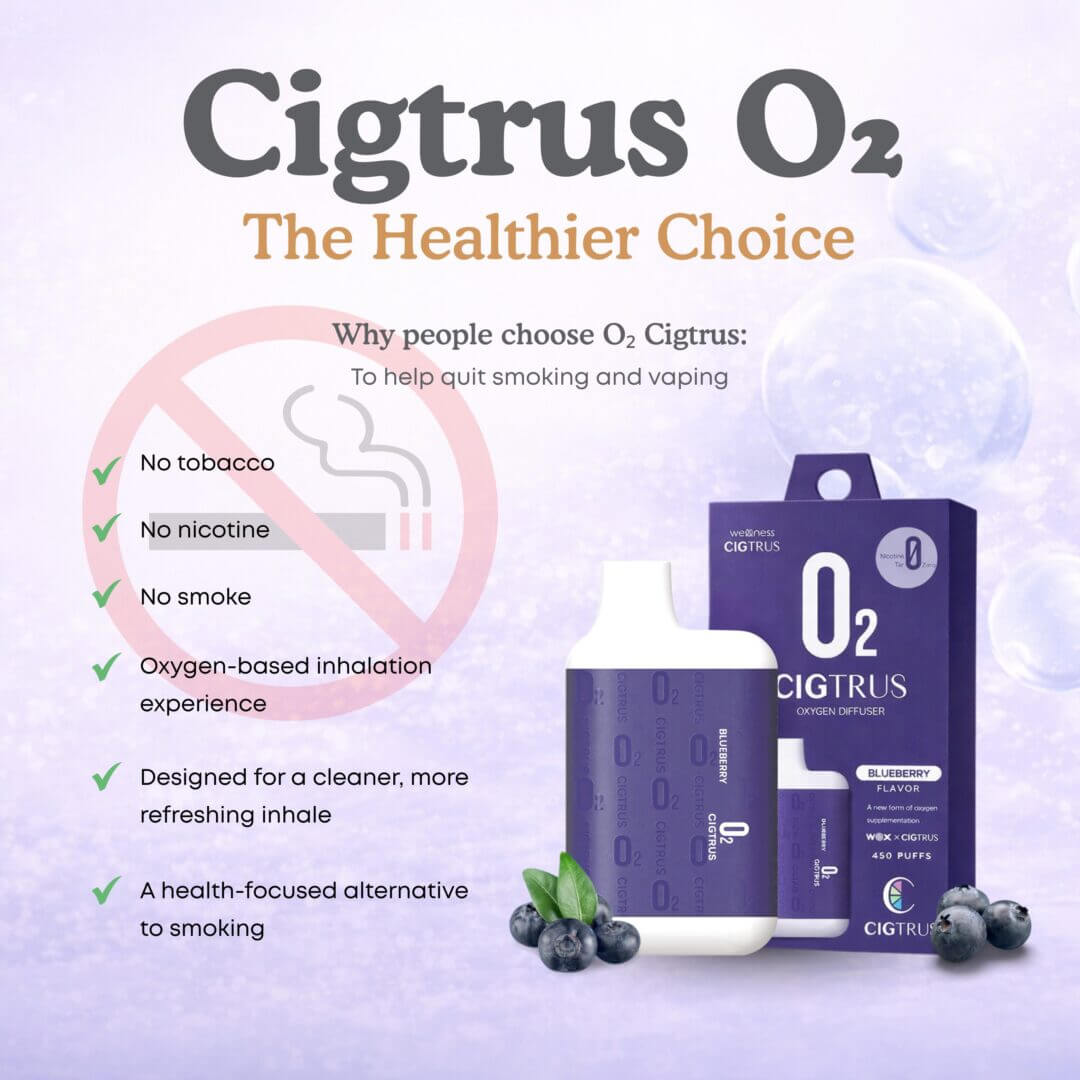
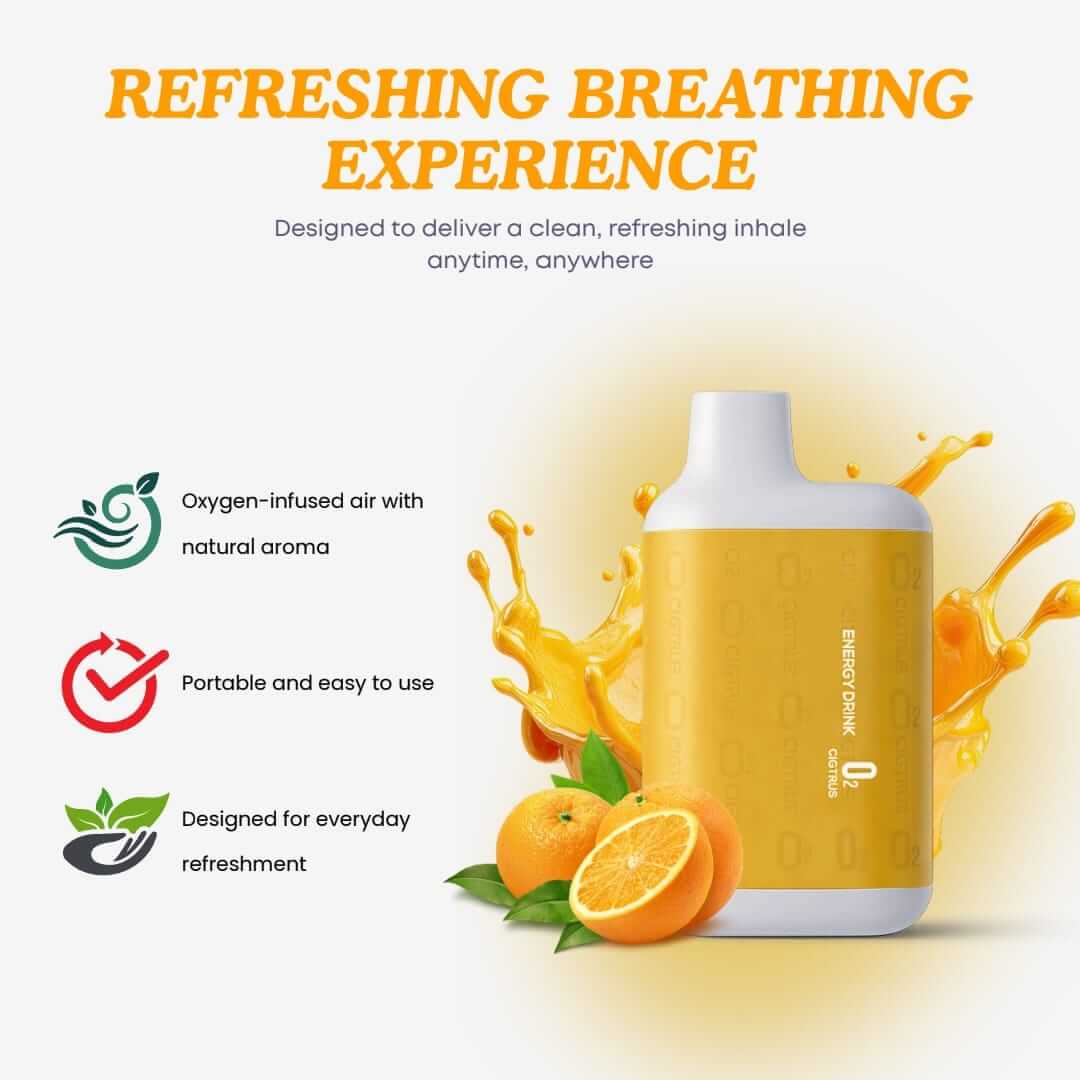
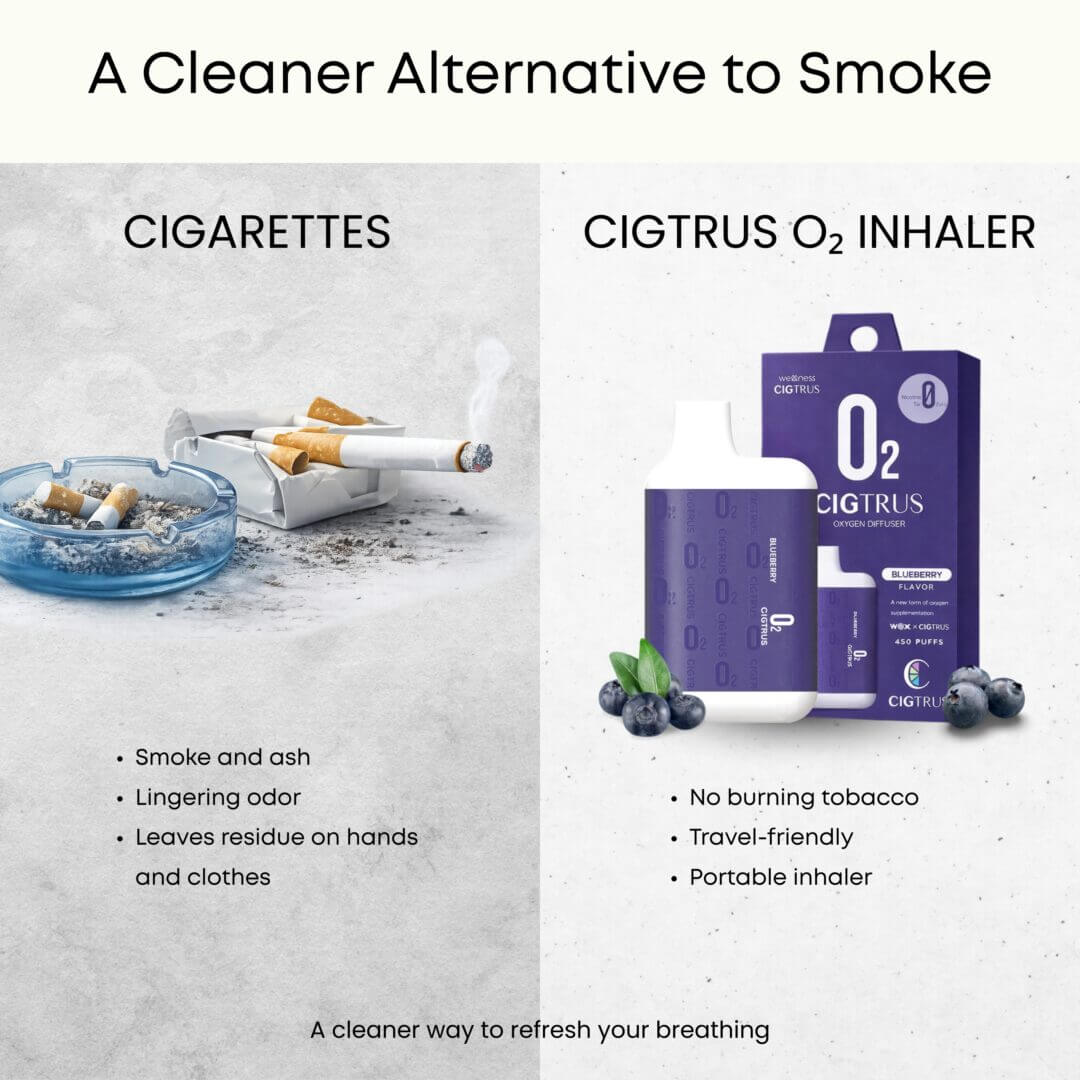
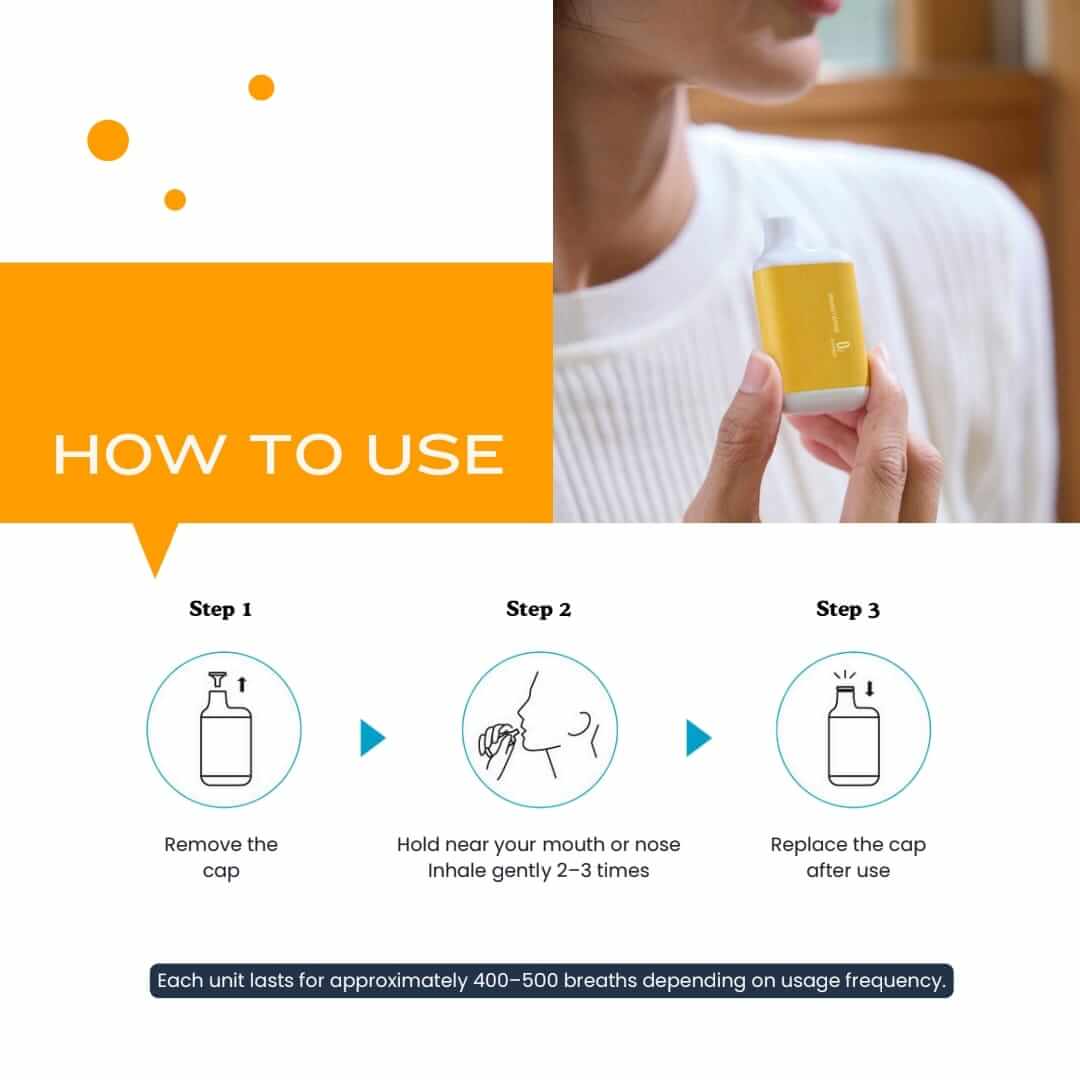
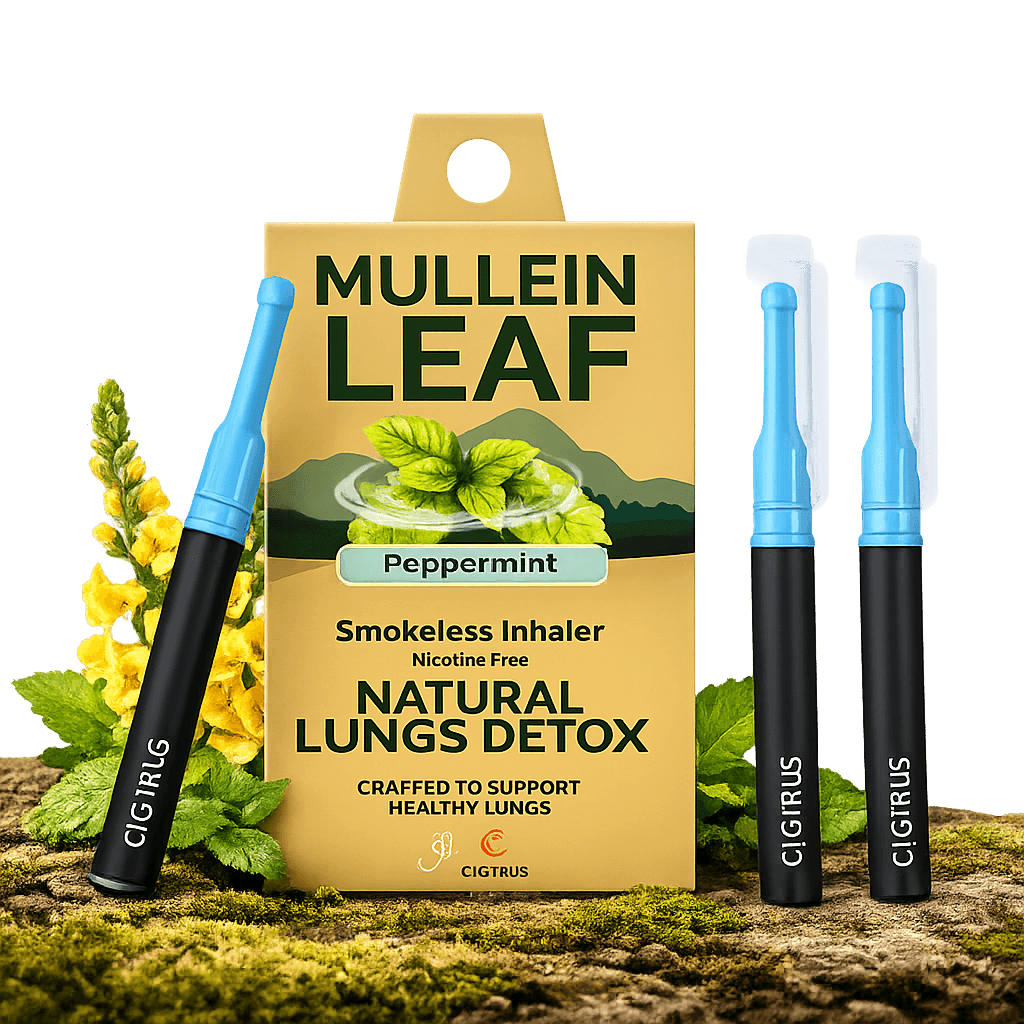
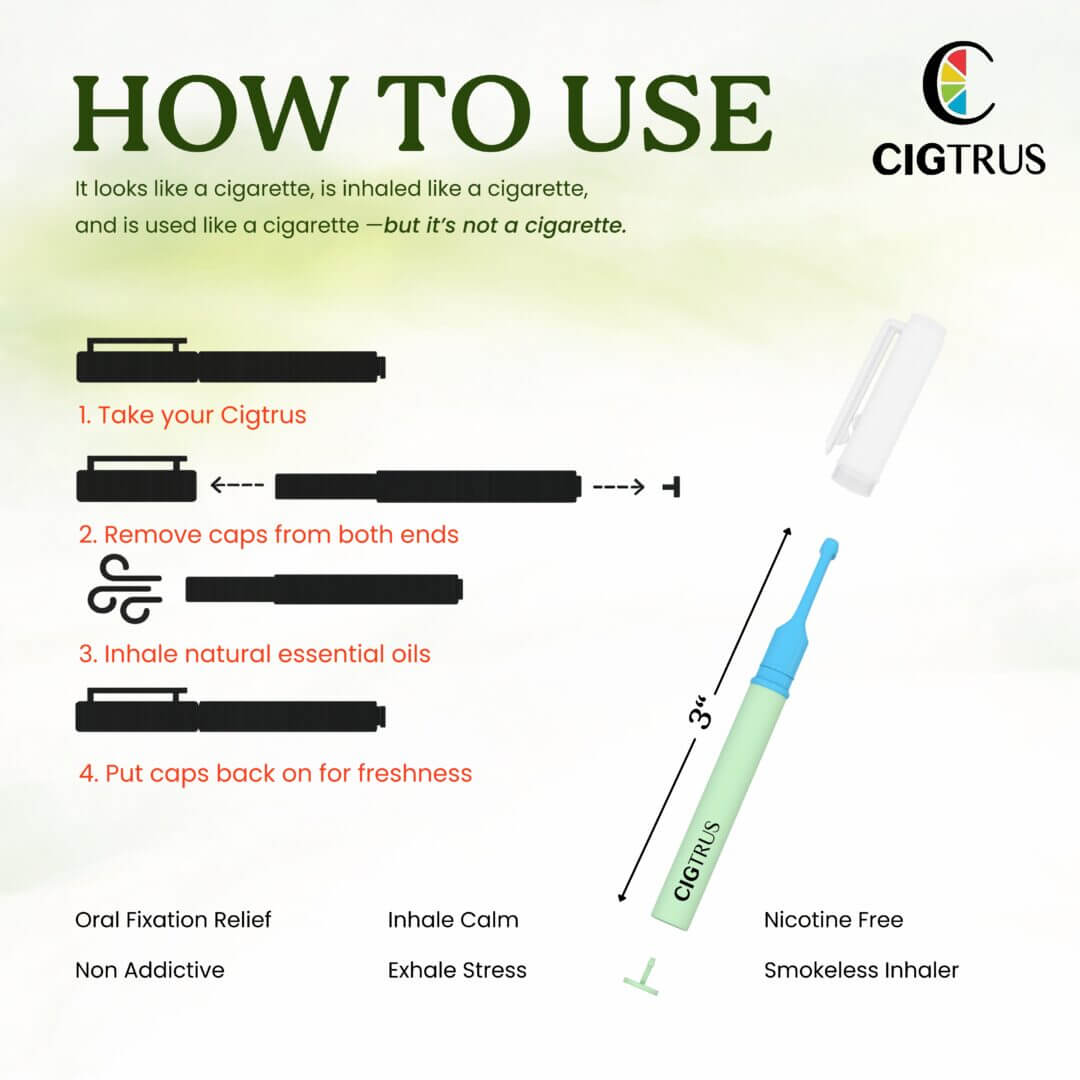
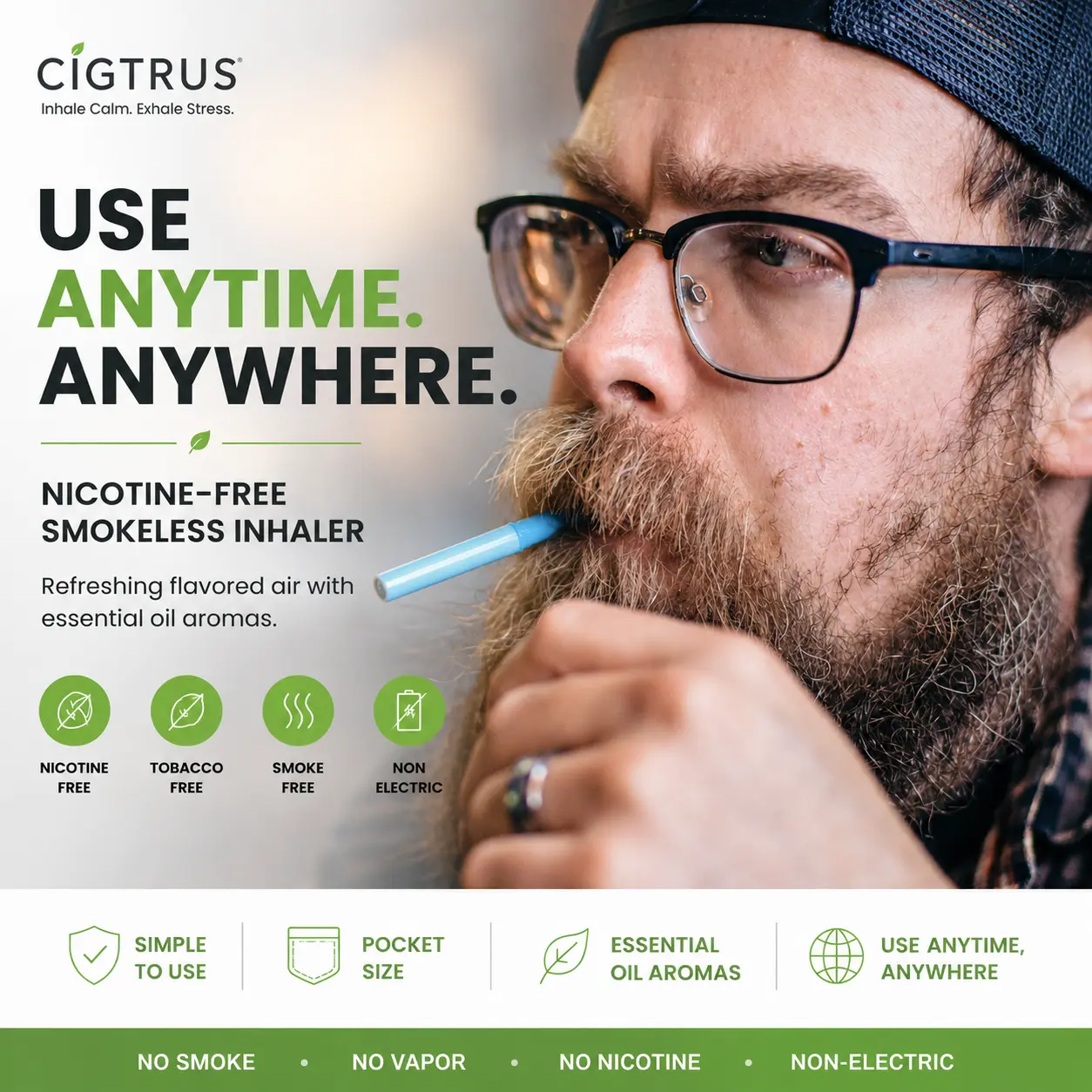
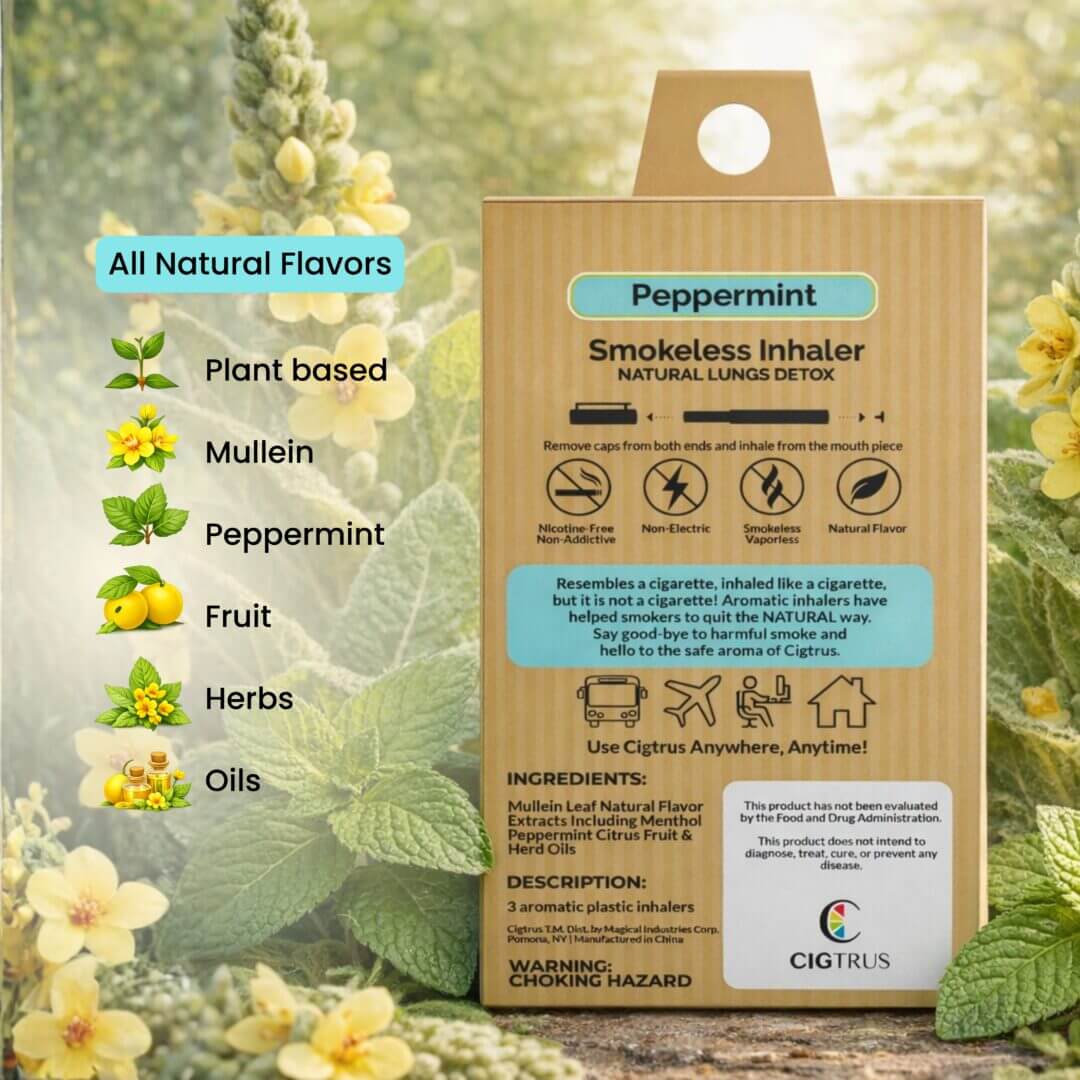
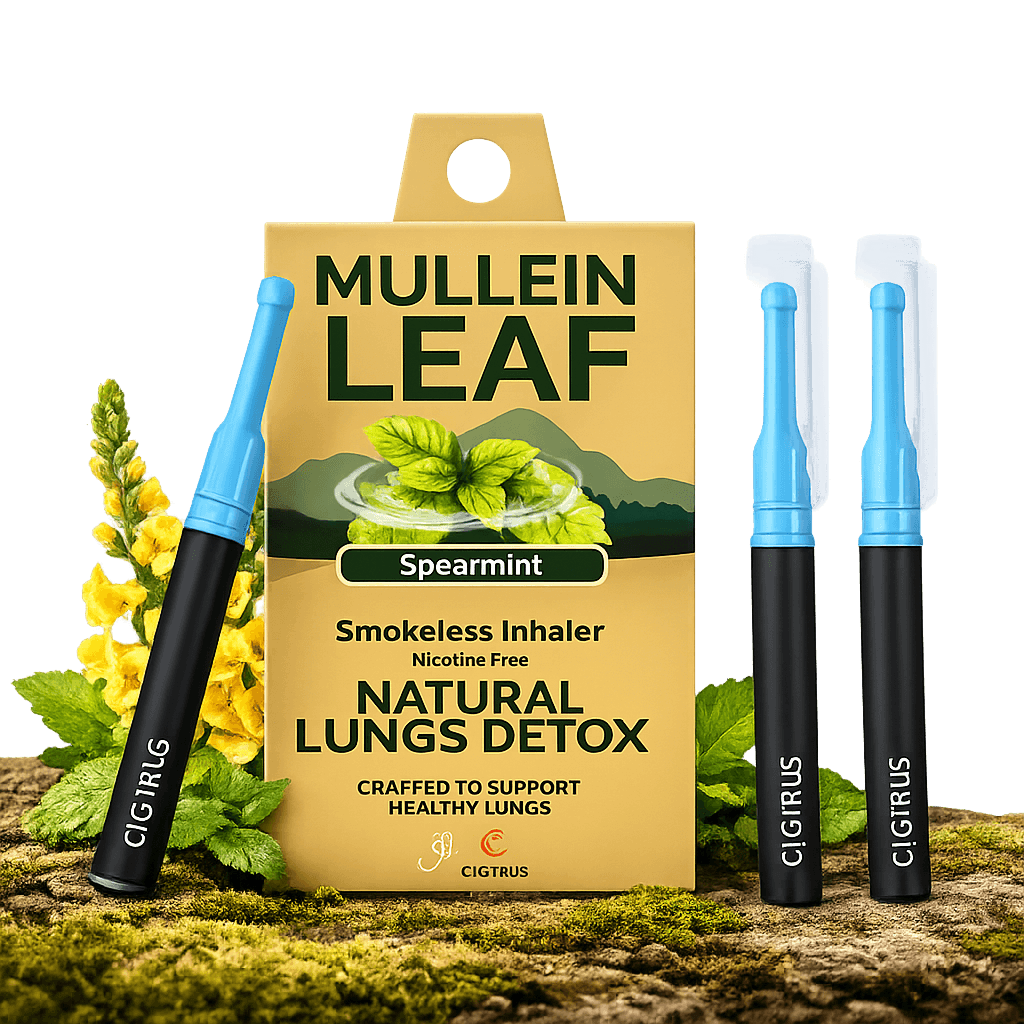
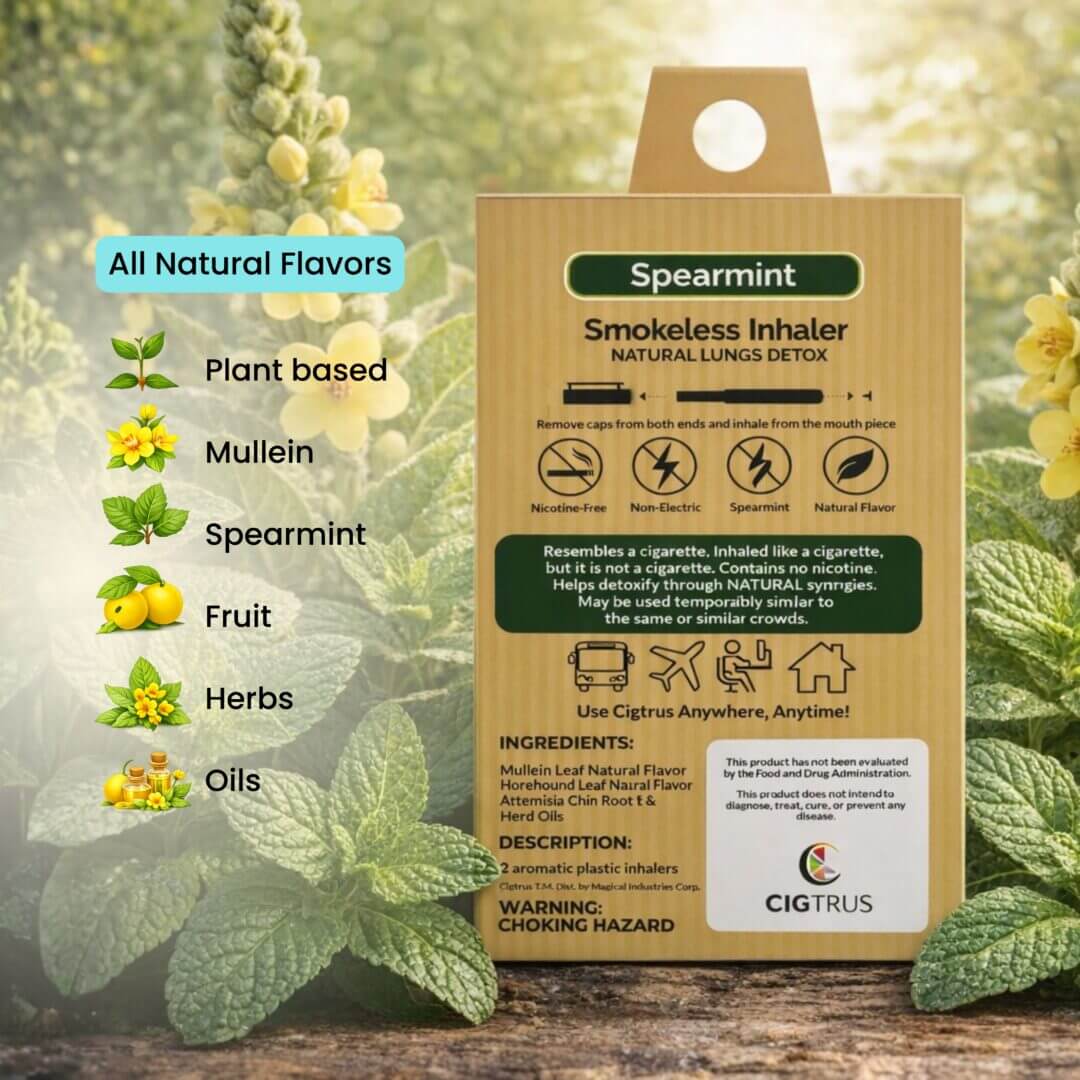
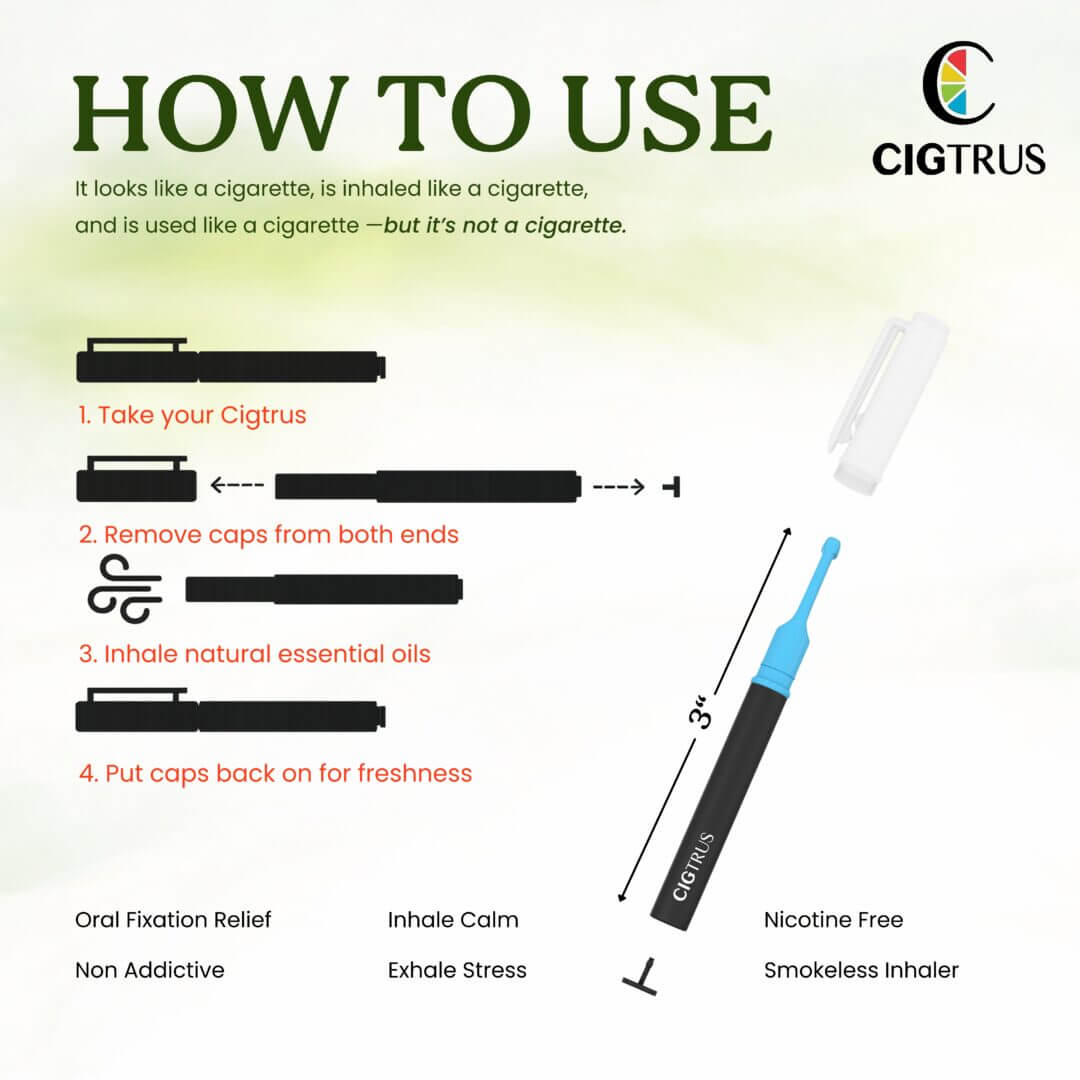
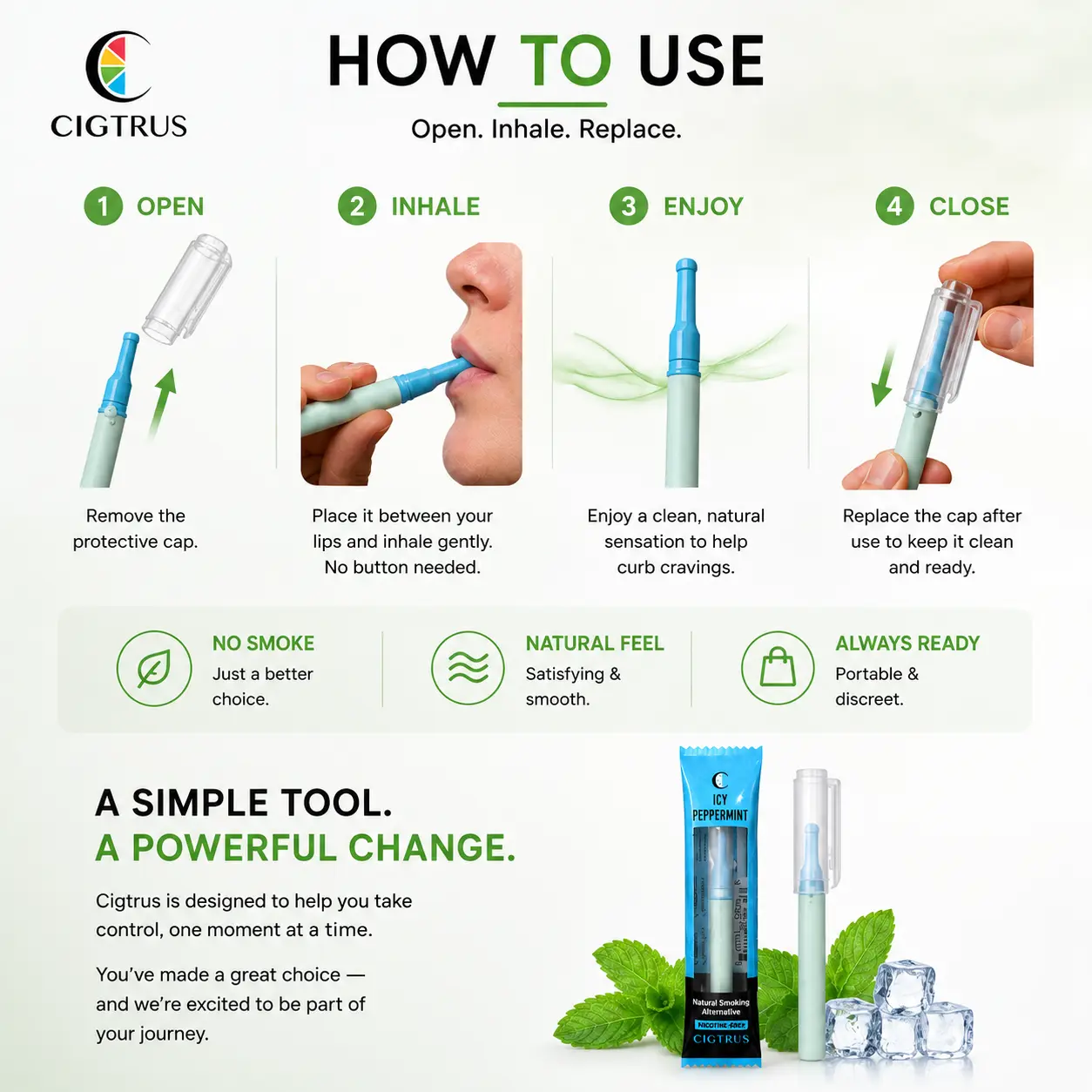
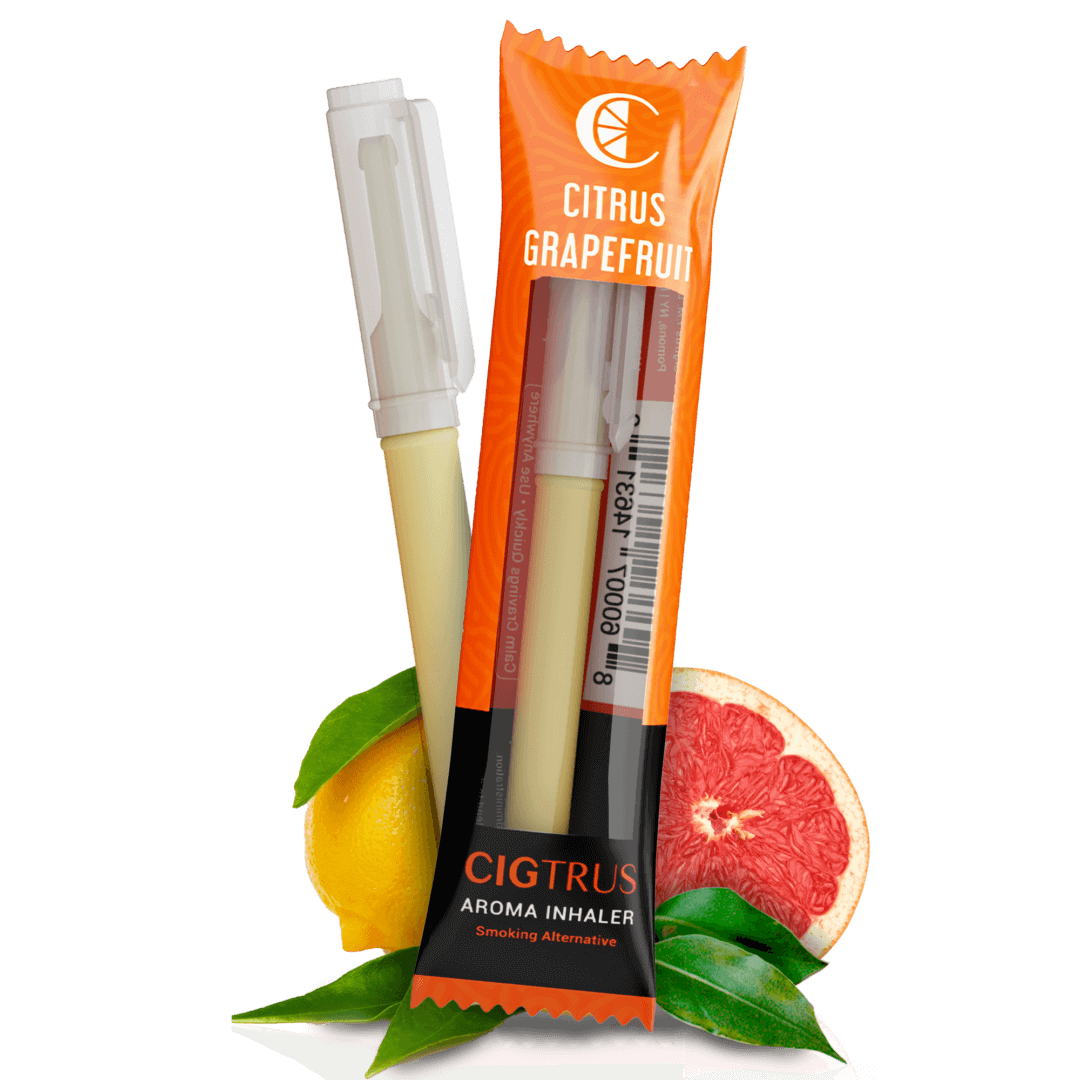
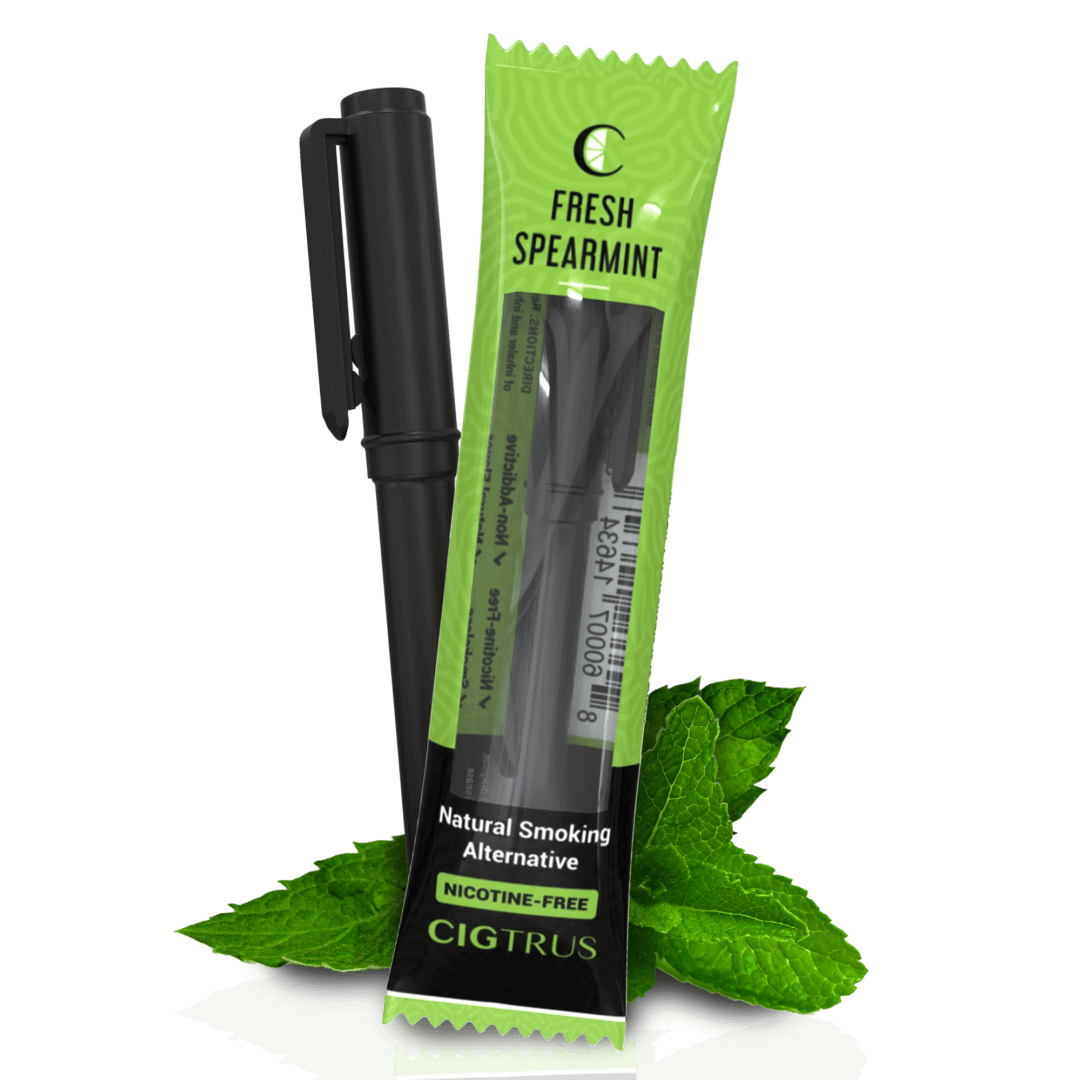
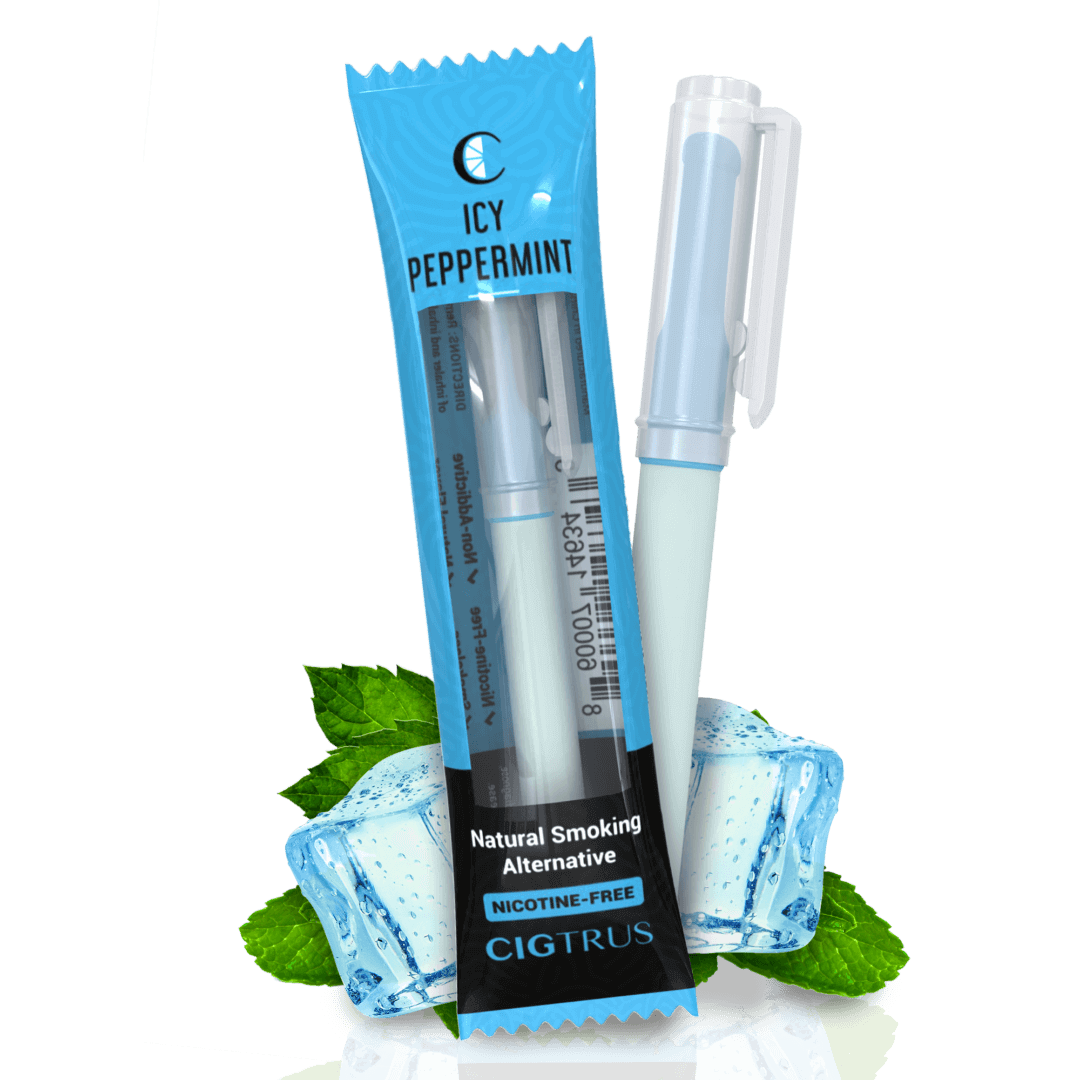
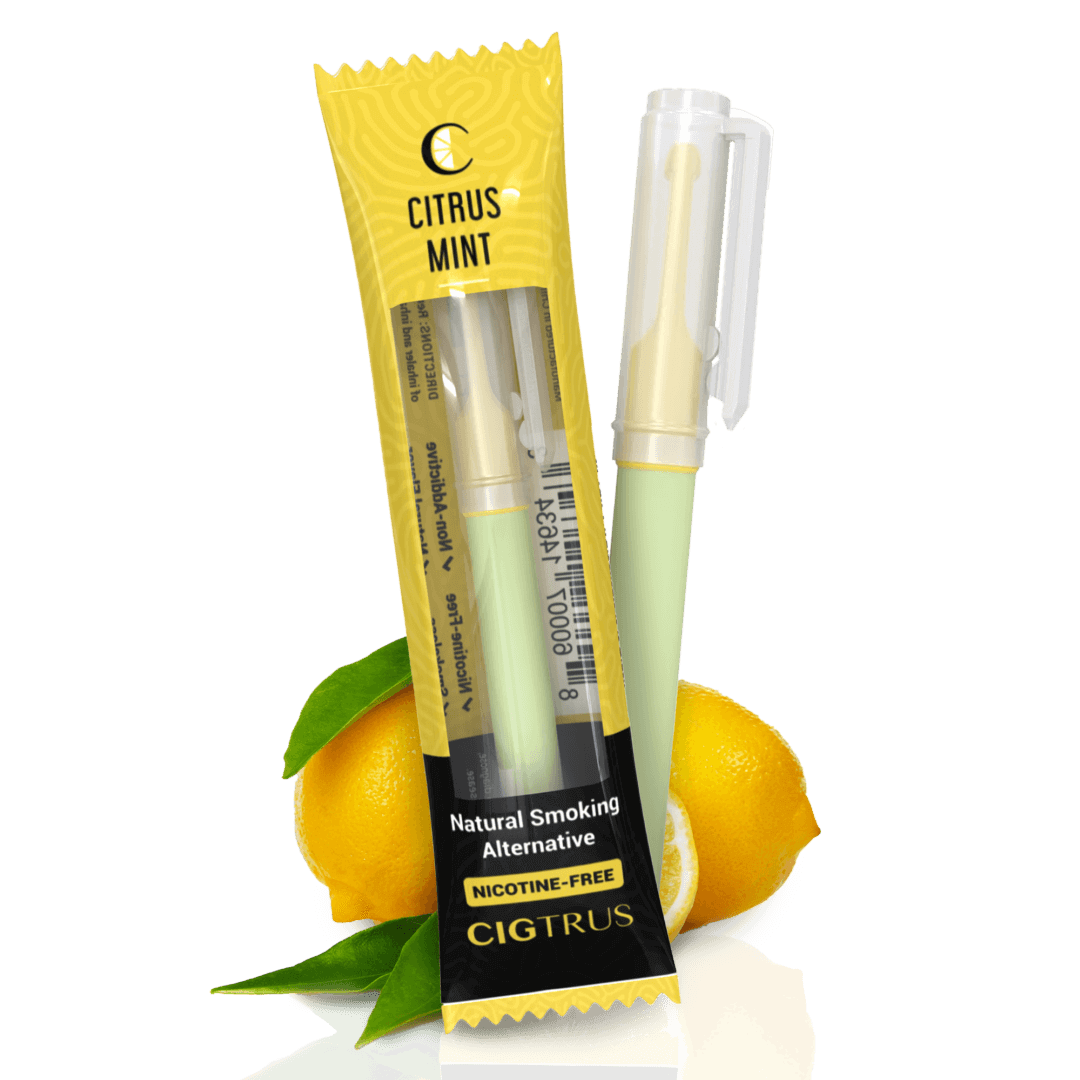
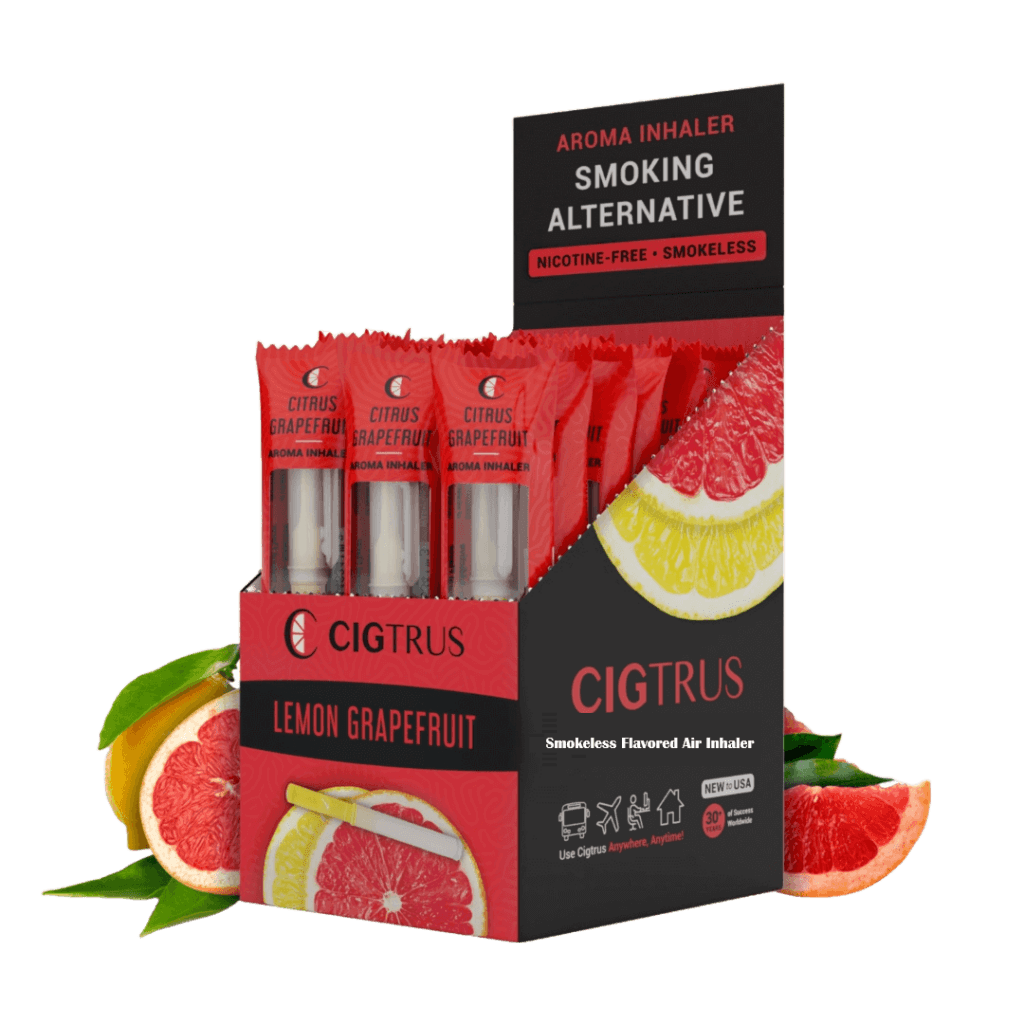
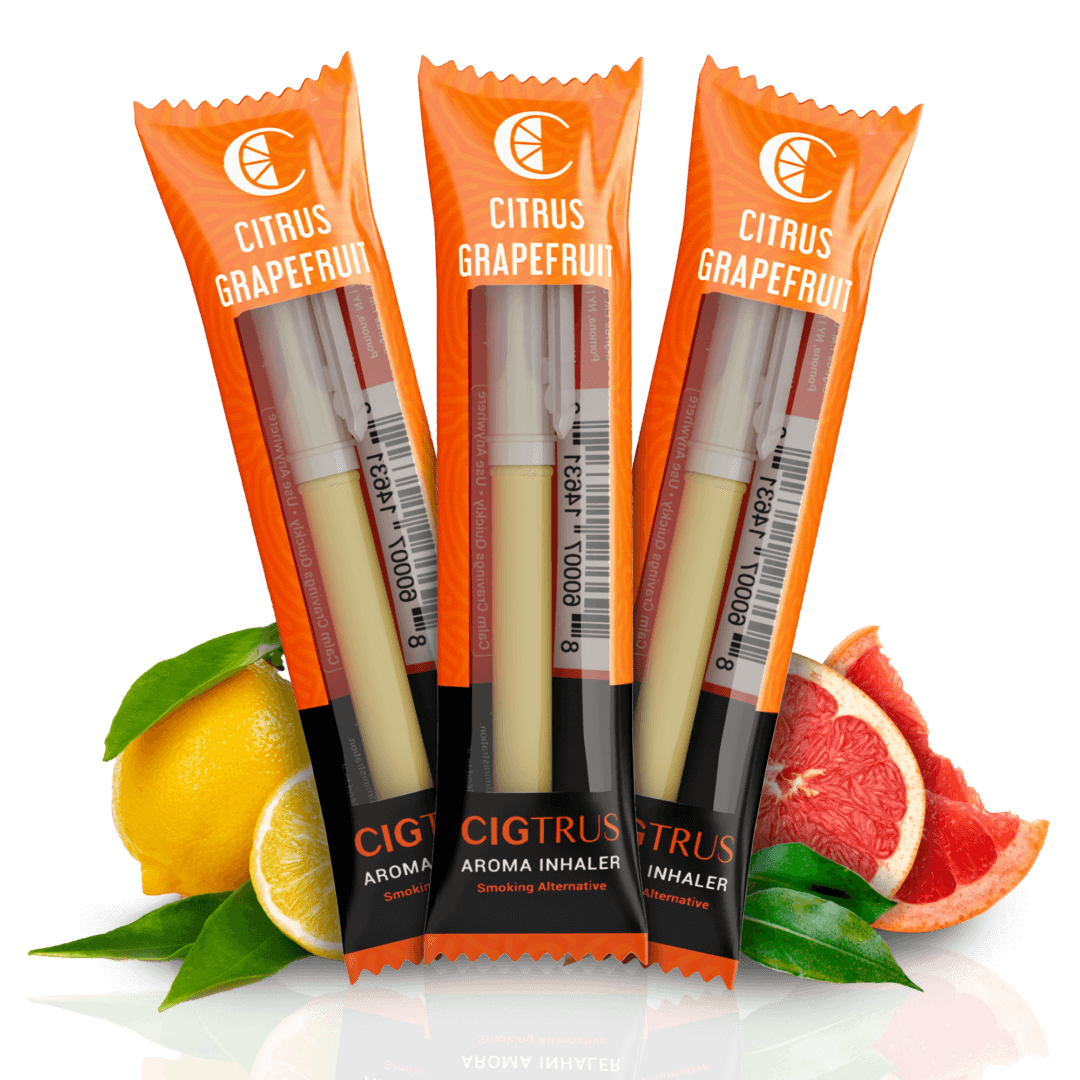
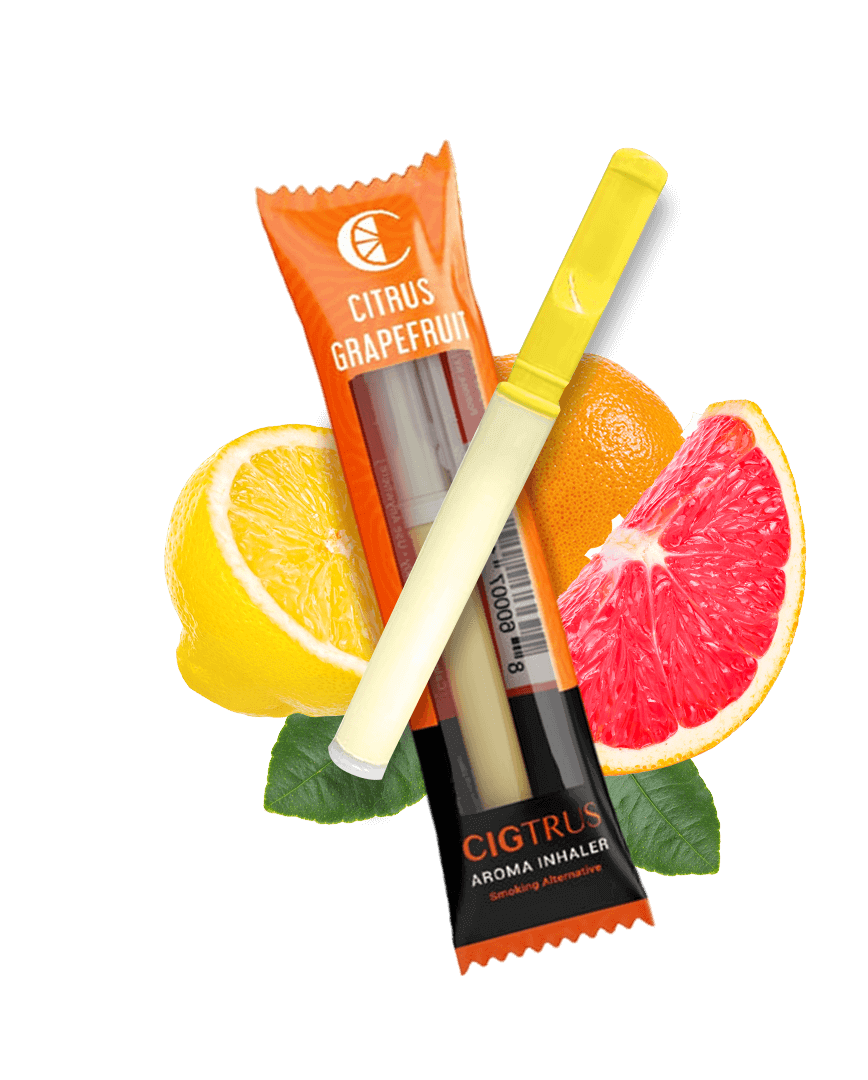
Cigtrus is a nicotine-free, smokeless, non-electric habit replacement inhaler designed to address what most quit aids miss entirely, the familiar hand-to-mouth routine and puffing behavior that smokers struggle to replace.
What Cigtrus Replaces
The hand-to-mouth motion, the familiar action the hands do automatically at every trigger moment
The inhale and exhale rhythm, the deep breath the body expects during stress, breaks, and routines
The behavioral pause and reset, preserved without smoke, vapor, or nicotine
Oral fixation, gives the mouth something familiar in craving moments throughout the day
Usable anywhere, indoors, at work, on flights, wherever trigger moments find you
The Importance of Daily Habits
Many smokers discover that changing daily routines is one of the most important parts of the quitting process. Small consistent adjustments, changing morning habits, avoiding certain triggers, replacing smoking rituals with healthier alternatives, are what create lasting progress.
“The goal is not only to stop smoking. It is to build a lifestyle that no longer revolves around cigarettes, where the trigger moments have new responses and the old connections have been replaced by something better.”
- Change your morning routine so coffee no longer automatically triggers a craving
- Have a replacement ready for every trigger moment, never face one empty-handed
- Avoid high-trigger environments during the early weeks when habits are freshest
- Build new break-time rituals that do not involve cigarettes
- Celebrate every smoke-free day, each one builds the foundation for the next
Taking It One Step at a Time
Quitting smoking does not always happen overnight. Many people make several attempts before finding what works best for them, and that is a completely normal part of the process. Progress comes from consistency, patience, and continuing to move forward even after setbacks.
Each smoke-free moment weakens the old habit. Each replacement repeated builds the new one. Over time, the triggers lose their power and the new routines feel natural.
Frequently Asked Questions
Can I really quit smoking for good?
Yes. Thousands of people quit every year. The key is addressing both the chemical side and the behavioral routine side of smoking, not just one or the other.
Why is quitting so hard even when I want to stop?
Because smoking is wired to daily routines, trigger situations, and emotional habits built over years. The behavioral side of smoking often outlasts the chemical withdrawal, and most quit aids only address the nicotine.
What is the most important thing to do when quitting?
Replace the routine, not just remove it. Having a behavioral alternative ready at every trigger moment is what prevents the gap from being filled by a relapse.
How is Cigtrus different from nicotine patches or gum?
Cigtrus addresses the behavioral side of smoking, the hand-to-mouth motion, the familiar inhale, the pause. Patches and gum address only the chemical side and leave the behavioral routine completely untouched.
What if I have tried to quit before and failed?
Most successful long-term quitters made multiple attempts. Each attempt builds knowledge about your triggers and what works for you. The right combination of behavioral support and tools makes the difference.
A Healthier Future Starts Today
Choosing to work toward a smoke-free lifestyle leads to meaningful changes over time. More energy, better health, improved sense of taste and smell, financial savings, and a daily routine no longer built around cigarettes, these changes are real and they start the moment you decide to begin.
With the right mindset, support system, and tools, the first step is always possible. And every step after that gets a little easier.
You Can Do This. Start with Something Ready.
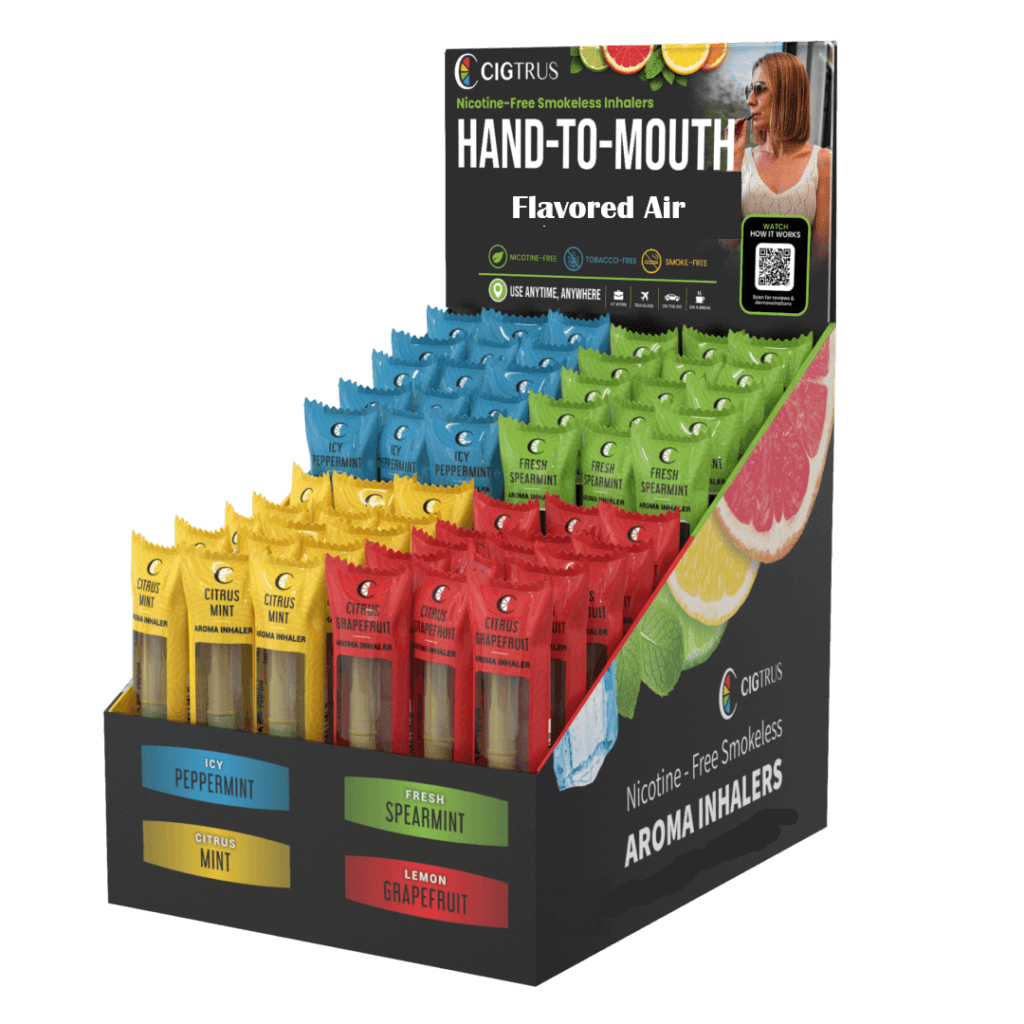
Give the hands and mouth a better place to go at every craving moment, nicotine-free, smokeless, and ready anywhere.
👉 Try the Variety Pack