
How to Prevent Smoking Relapse
Quitting smoking is a major achievement, but staying smoke-free long term is where many people struggle. Understanding why relapses happen and having a concrete plan for each trigger moment is what separates a temporary quit from a permanent one.
Nicotine addiction creates strong physical and psychological cravings. But many relapses happen not during the acute withdrawal phase, they happen weeks or months later, when a familiar trigger fires and there is nothing ready to replace the old response.
Understanding Your Triggers
Identifying and acknowledging triggers is the single most important step toward a relapse-free life. Whether it is stress, social situations, certain environments, boredom, or emotional pressure, recognizing these triggers gives you the power to navigate through them with a plan instead of being caught off guard.
Stress and Pressure
The brain still reaches for the old stress response years after quitting. Having something ready at stressful moments is the key defense.
Social Situations
Being around other smokers or in familiar environments fires the trigger automatically, even for people who have been smoke-free for months.
Boredom
Idle moments still send hands reaching for something familiar. Boredom is one of the most underestimated relapse triggers.
End-of-Day Routines
Winding down at night was paired with cigarettes for years. The brain still expects the familiar ritual when the day ends.
Driving
Long commutes and traffic were paired with smoking thousands of times. The trigger fires automatically behind the wheel.
Alcohol and Social Events
Lowered inhibitions and familiar social settings around smokers make this one of the highest-risk relapse environments.
Building a Robust Support System
Surrounding yourself with a supportive network makes a real difference. Share your smoke-free goal with friends and family and lean on them during challenging moments. When faced with a setback, the right people around you can provide encouragement and help you restart without shame or delay.
Online communities and forums of people with the same goal create a virtual support system that is always available, particularly useful during the late-night or isolated moments when cravings are hardest to handle alone.
“Most long-term relapses happen not because someone failed, but because there was nothing ready when the trigger fired. The difference between quitting and staying quit is almost always having a replacement in place at every high-risk moment.”
Six Proven Strategies to Prevent Relapse
Map Your Triggers, Then Plan for Each One
Write down every situation that used to prompt a cigarette. Next to each trigger, write exactly what you will do instead. Preparation beats willpower every time.
Always Have a Behavioral Replacement Ready
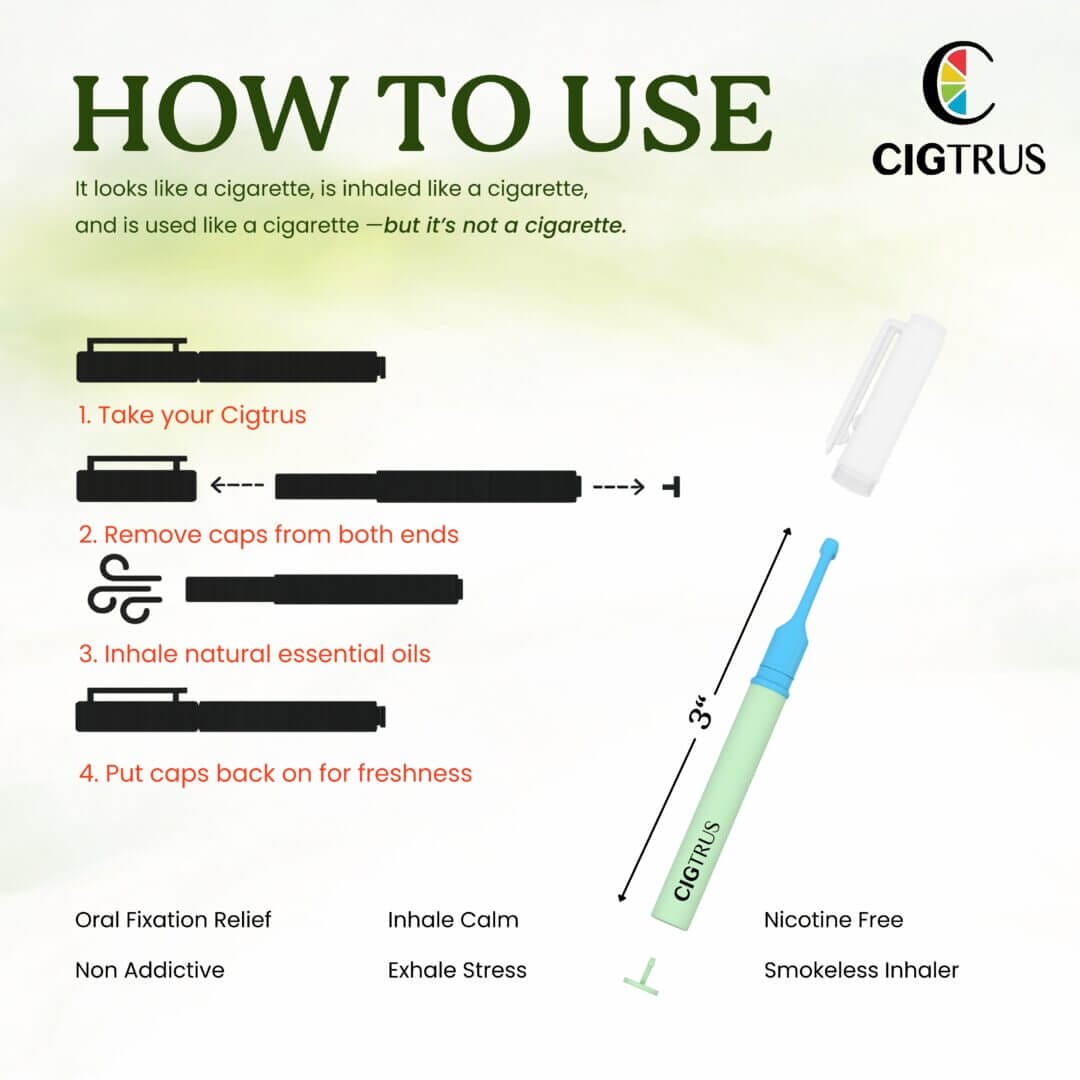
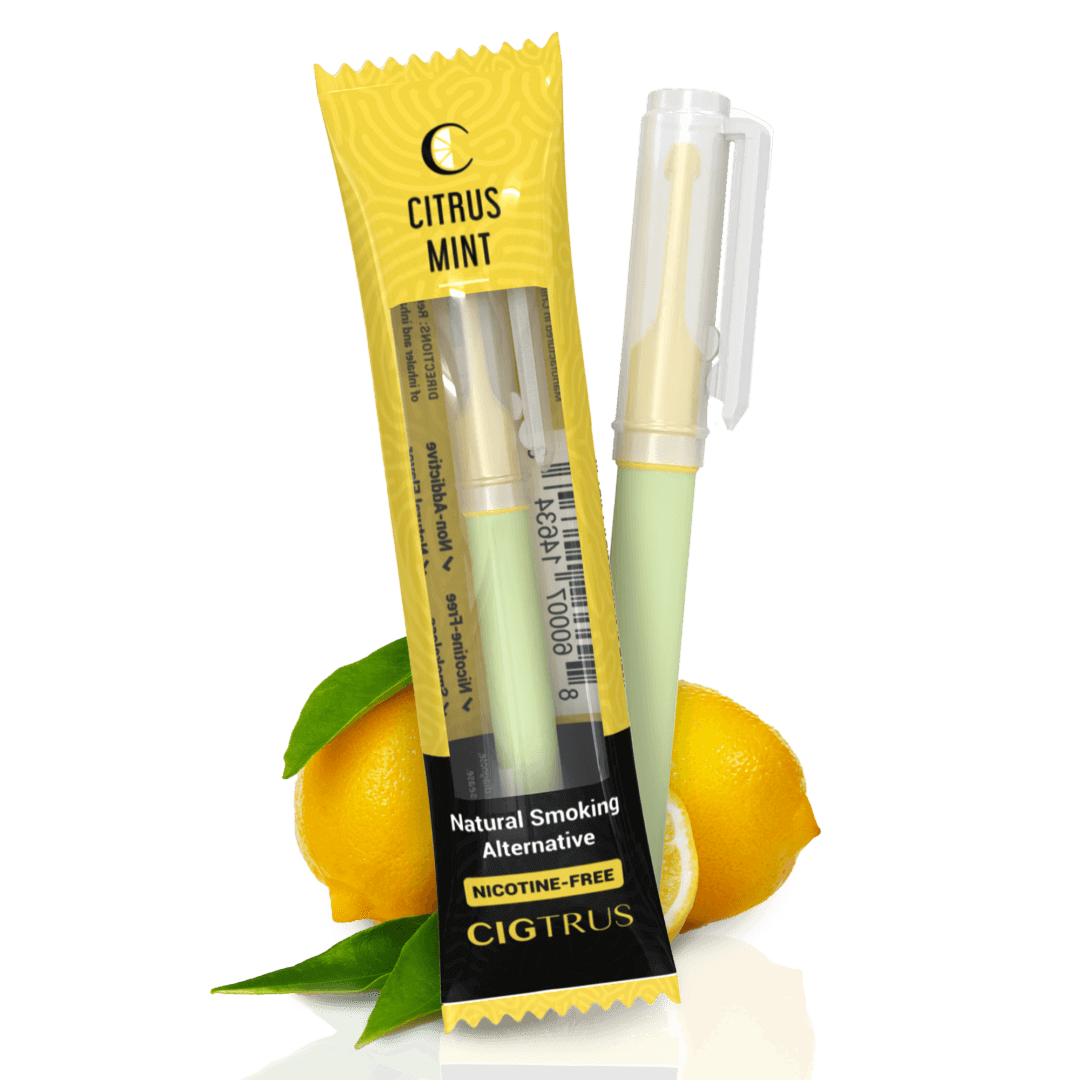
A gap with nothing in it gets filled with a relapse. Keep a smoke-free alternative, like Cigtrus, in your pocket, your car, and your desk at all times.
Create a Smoke-Free Environment
Remove all ashtrays, lighters, and cigarette remnants from your home and workspace. A clean environment reinforces your smoke-free identity every day.
Adopt Healthy Stress-Relief Habits
Exercise, mindfulness, deep breathing, and short walks all interrupt the stress-to-smoking response. Regular physical activity releases endorphins and reduces craving intensity.
Avoid High-Risk Environments Early On
Identify the places and situations where the trigger is strongest and consciously avoid them during the early months. Breaking the location-smoking association takes time.
Celebrate Every Smoke-Free Milestone
Acknowledge your wins, one week, one month, three months. Positive reinforcement strengthens your smoke-free identity and builds the confidence to keep going.
Healthy Habits That Actively Prevent Relapse
Building new daily routines creates a lifestyle that no longer has space for cigarettes. These are the habits that actively protect against relapse, not just reduce the risk of it.
How Cigtrus Supports Long-Term Relapse Prevention
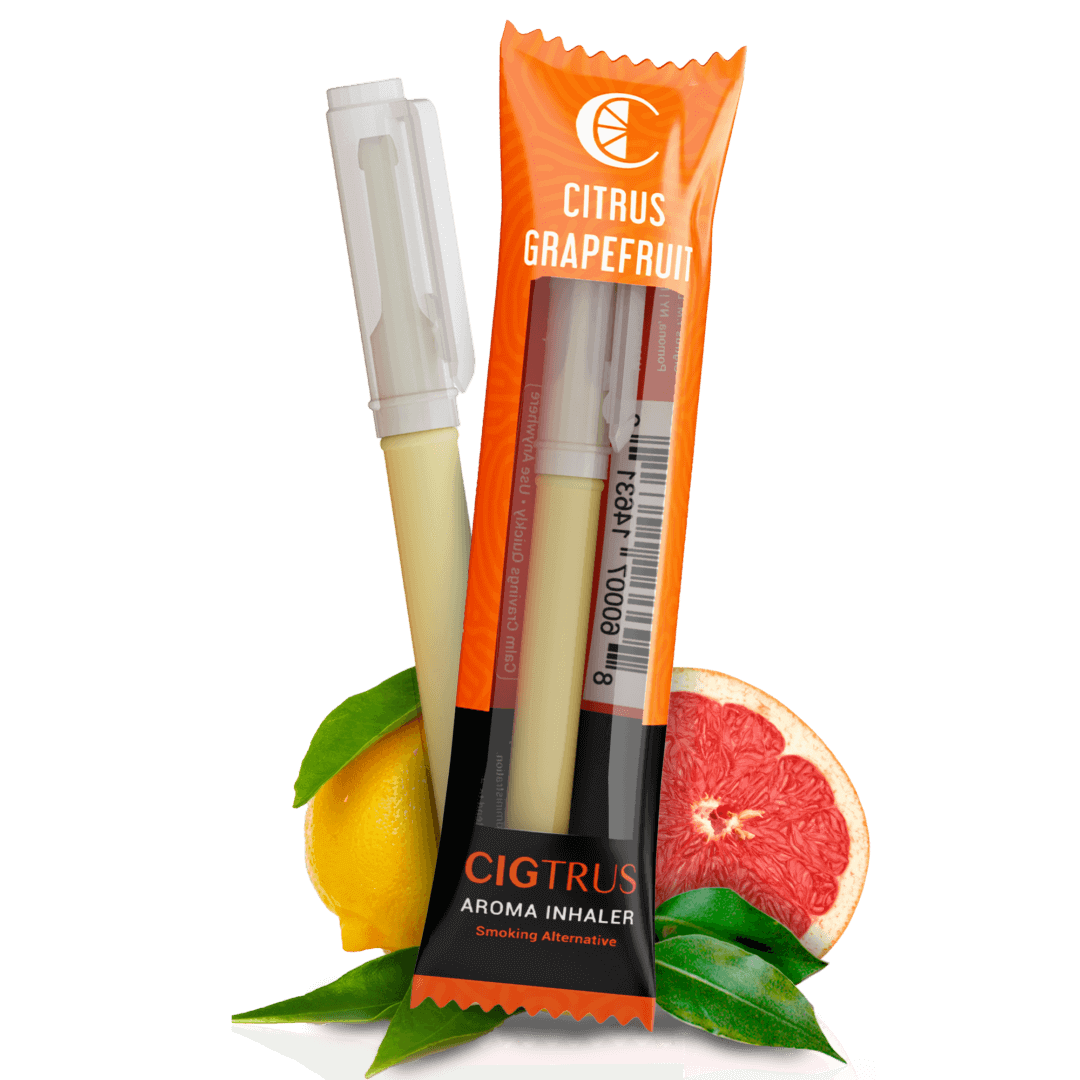
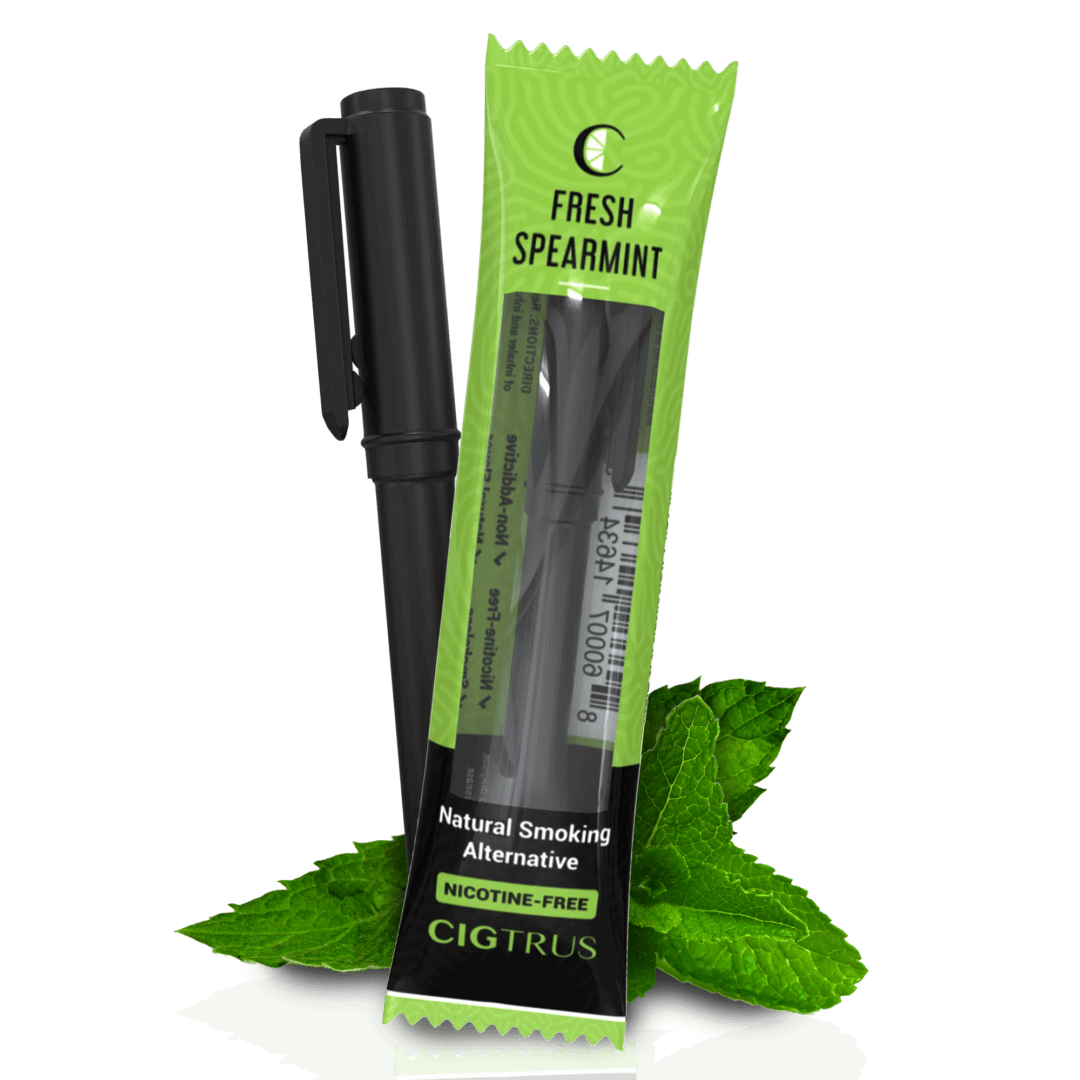
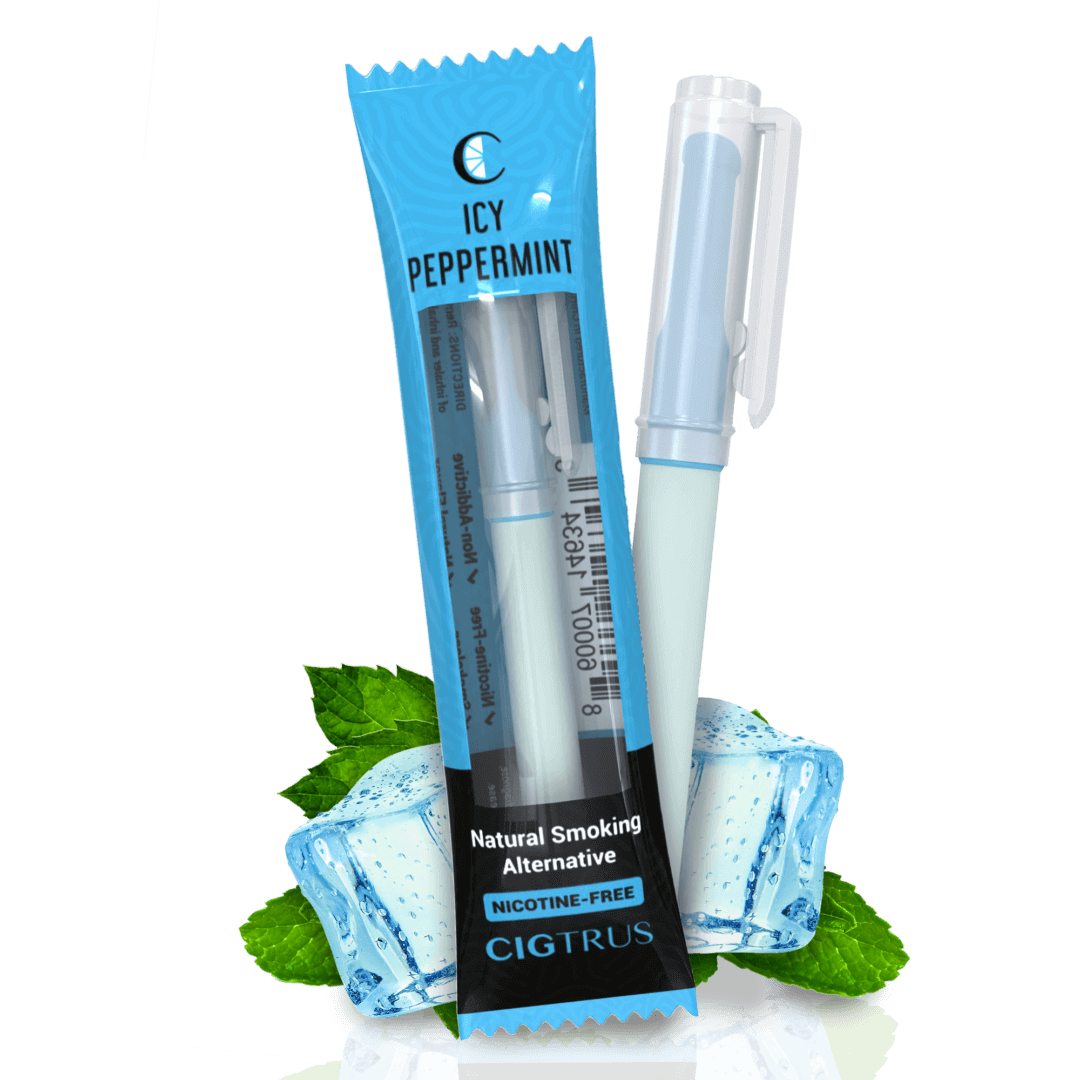
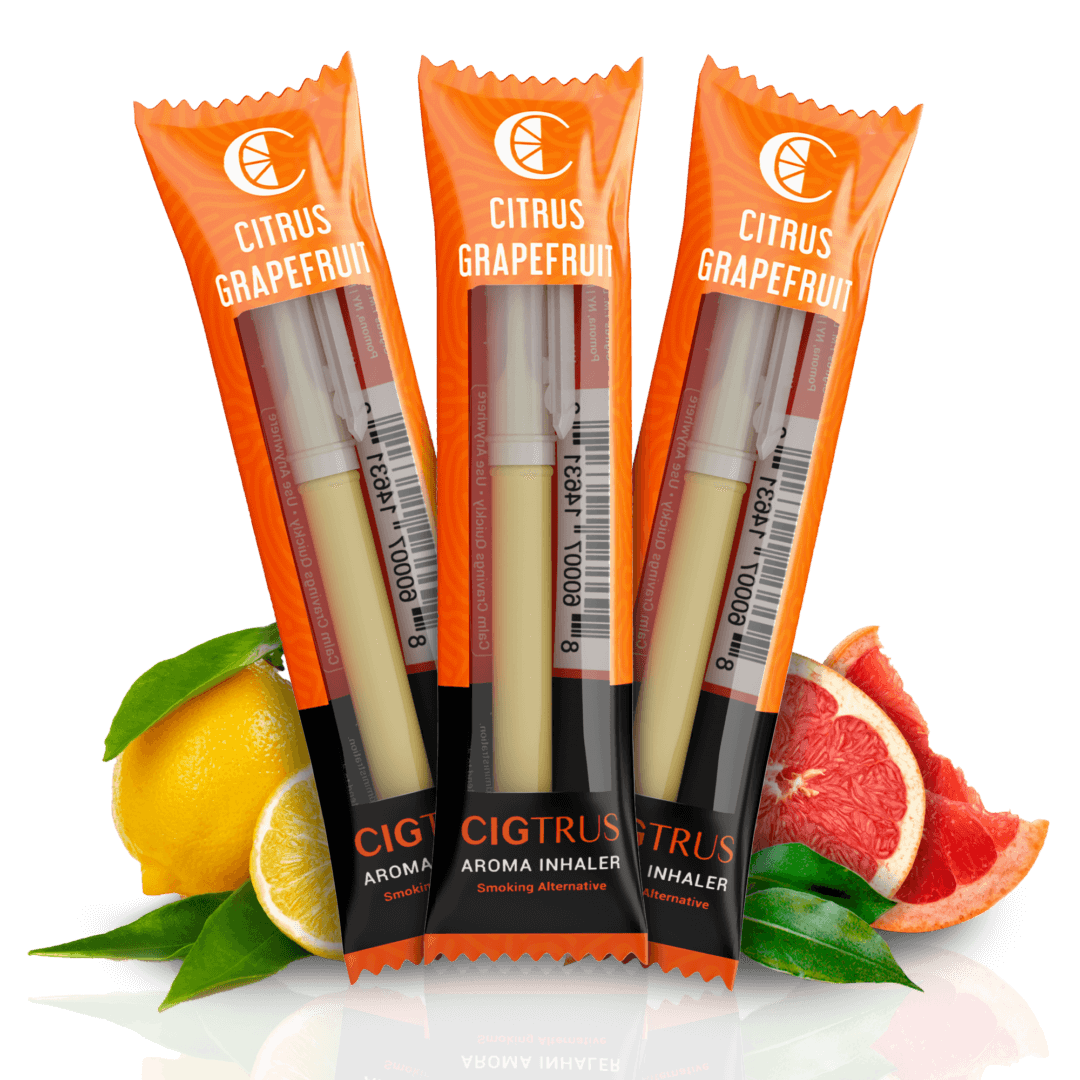
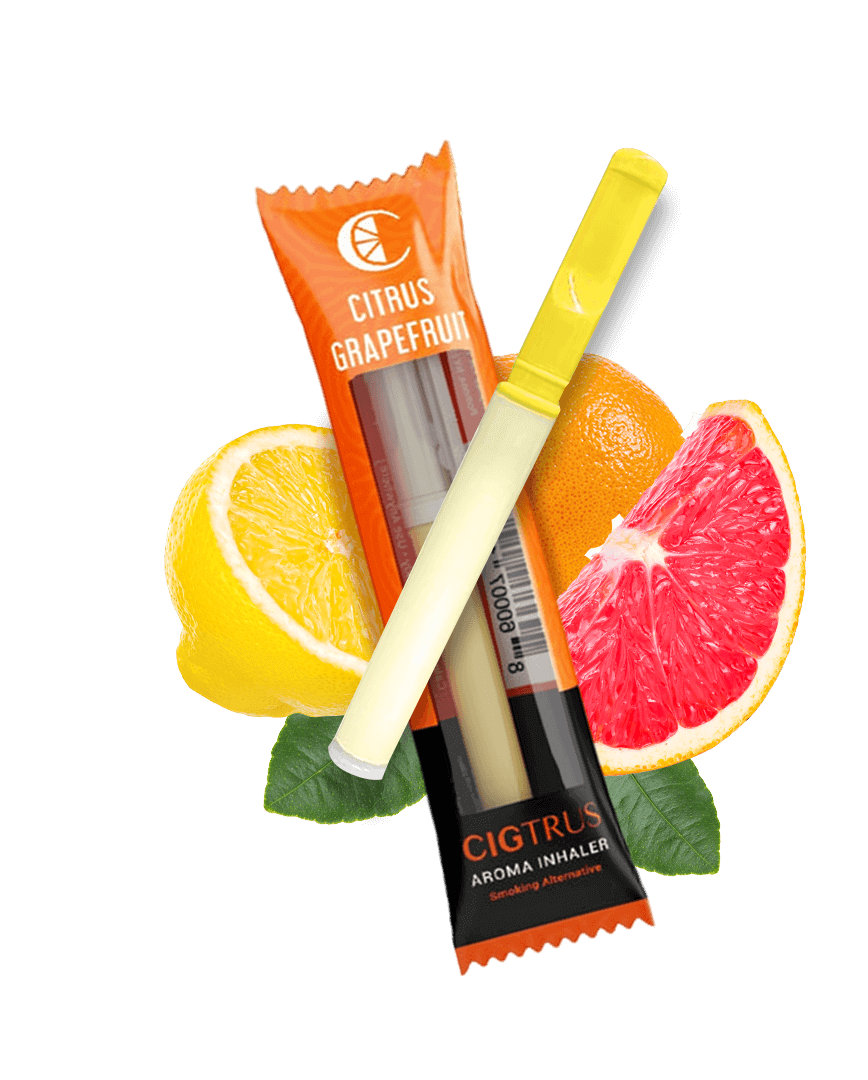
Most relapses happen because a trigger fired and there was nothing ready to replace the automatic response. Cigtrus is designed to be that replacement, available at every trigger, in every environment, without smoke, vapor, or nicotine.
Why Cigtrus Works for Relapse Prevention
Gives the hands the familiar motion at every trigger, so the automatic reach has somewhere clean to go
Preserves the inhale-exhale rhythm, the calming breath the body still expects in high-stress moments
Replaces the behavioral routine, the pause and reset that cigarettes provided for years
No nicotine, no smoke, no vapor, breaks chemical dependency while supporting the behavioral routine
Usable anywhere, in the car, at work, indoors, on flights, wherever a trigger can find you
Because Cigtrus is smokeless and non-electric, it can be used discreetly in any situation, making it the most practical relapse prevention tool for daily life.
Staying Vigilant for the Long Term
Remaining vigilant is the key to long-term success. Regularly assess your progress, identify which trigger situations are still challenging, and adjust your strategy as needed. Adapting to changing circumstances, new stressors, new environments, new social situations, keeps you equipped to face challenges rather than be blindsided by them.
- Regularly review which triggers are still strong and plan for them specifically
- Keep your replacement tool with you at all times, convenience removes the excuse
- If a slip happens, restart immediately, one cigarette does not have to become a full relapse
- Build your smoke-free identity through consistent daily decisions that reinforce it
- Remember: every day smoke-free is a day of behavioral rewiring, building toward permanence
Frequently Asked Questions
Why do smoking relapses happen even months after quitting?
Because behavioral triggers, stress, routine, social environments, boredom, are wired into the brain through years of repetition. These fire automatically long after nicotine withdrawal has passed, especially when there is nothing ready to replace the response.
What is the most effective way to prevent a smoking relapse?
Mapping your personal trigger situations and having a specific behavioral replacement ready for each one. A gap with nothing in it almost always gets filled with a relapse.
What should I do if I slip and smoke a cigarette after quitting?
Restart immediately. One cigarette does not have to become a full relapse. Identify what triggered the slip, plan how to handle it differently next time, and keep going.
How does exercise help prevent smoking relapse?
Physical activity releases endorphins that naturally boost mood and reduce craving intensity. It also provides a healthy outlet for stress, one of the most common relapse triggers.
How does Cigtrus help prevent smoking relapse?
Cigtrus gives the hands and mouth a familiar smoke-free alternative at every trigger moment, so when the automatic reach happens, it has a clean destination instead of a cigarette.
Every Smoke-Free Day Builds Permanence
Steering clear of smoking relapse involves self-awareness, a solid support system, consistent behavioral replacement, and healthy habits that fill the space cigarettes once occupied. By understanding your triggers, having something ready for each one, and building a lifestyle that no longer revolves around cigarettes, long-term success becomes not just possible, but likely.
Every smoke-free decision compounds. Every repeated replacement weakens the old habit. Every milestone reached builds the confidence and identity that makes the next one easier.
Stay Ready. Prevent the Relapse.
Keep Cigtrus in your pocket, your car, your desk, wherever the trigger finds you, be ready with something better.
👉 Try the Variety Pack